In a world where technology is rapidly reshaping industries, the intersection of artificial intelligence (AI) and health care stands as a beacon of transformative potential. The Bipartisan Policy Center (BPC), a nonprofit organization dedicated to fostering bipartisan solutions, has recently addressed this critical synergy, emphasizing both the opportunities and challenges that lie ahead.
In a recent letter to Representative Ami Bera, BPC highlighted the immense promise AI holds in revolutionizing patient care. From enhancing diagnostic accuracy to optimizing health care costs, AI is poised to alleviate clinician burnout and improve patient experiences. However, as BPC notes, navigating this technological frontier requires careful consideration of potential pitfalls, especially as lawmakers contemplate legislative actions.
Current State of AI in Health Care
AI’s integration into health care is already underway, with applications ranging from administrative support to clinical decision-making. According to a survey by The Center for Connected Medicine, AI ranks as the most exciting emerging technology among health care executives. The expectation is clear: AI will lead to improved diagnostic accuracy, faster treatment delivery, and enhanced patient experiences.
Yet, the rapid adoption of AI has outpaced the implementation of adequate oversight and governance policies. A study by Bain & Company underscores this, revealing that only a small fraction of health systems have established a comprehensive AI strategy. This gap highlights the urgent need for robust governance frameworks to ensure responsible and ethical AI deployment.
Challenges and Considerations
While AI offers numerous benefits, its integration into health care is not without challenges. Issues such as data quality, privacy, and interoperability remain significant hurdles. Ensuring data represents diverse populations is crucial, as biases in AI algorithms can exacerbate existing health disparities. Moreover, the lack of a comprehensive privacy law in the United States complicates data protection efforts, necessitating a collaborative approach involving government agencies and industry stakeholders.
Another pressing concern is the ethical and legal framework surrounding AI in clinical decision-making. Determining accountability when AI tools produce incorrect diagnoses is complex, with current legal frameworks lagging behind technological advancements. The HHS Office of Civil Rights has made strides in addressing AI-related liability, but further clarity is needed to ensure equitable and safe AI use in health care.
Looking Ahead
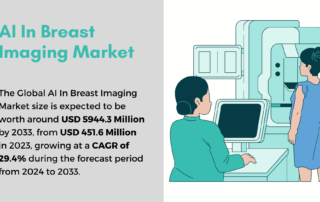
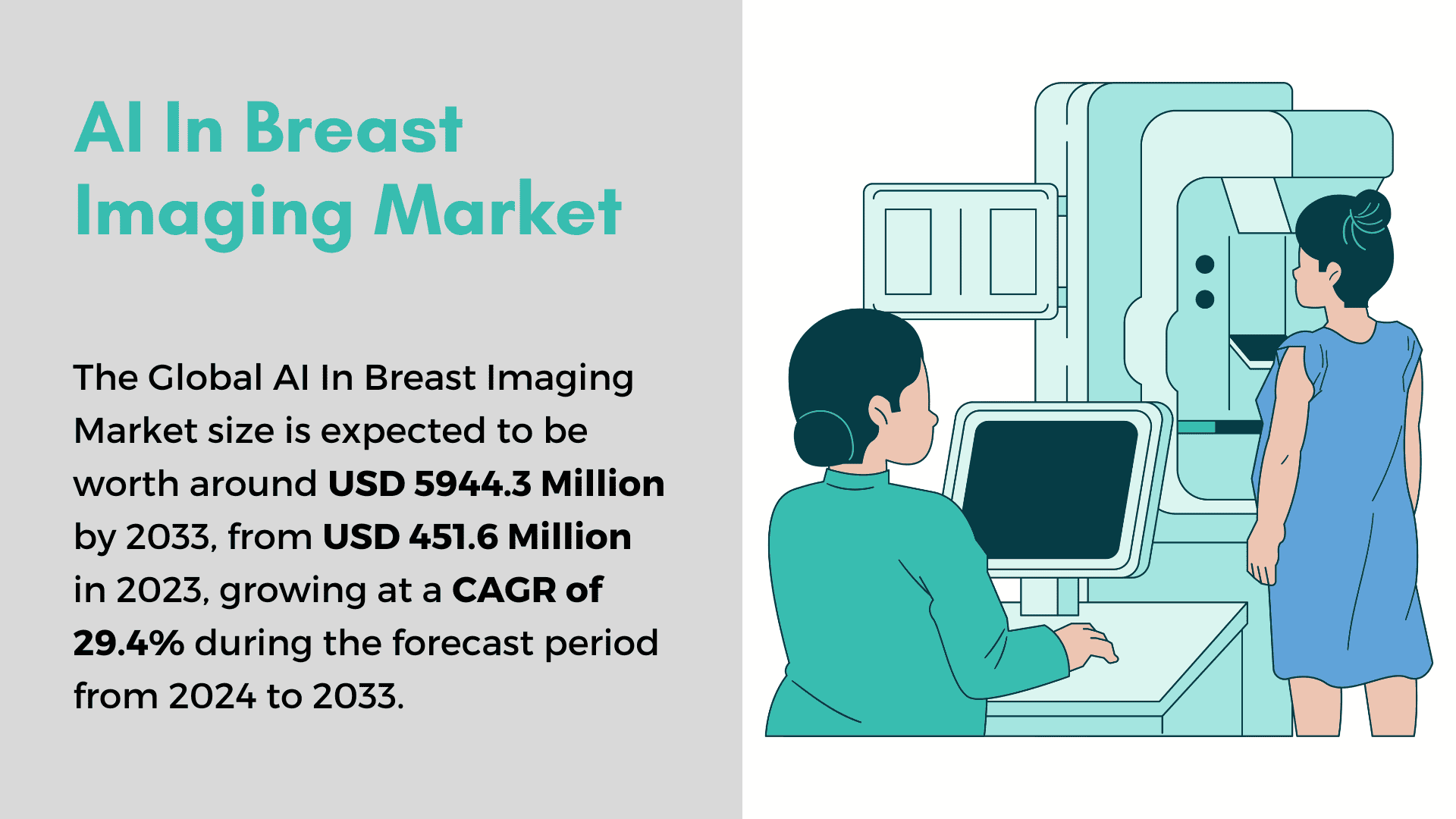
The future of AI in health care is bright, with applications extending to medical imaging, predictive analytics, drug discovery, and remote monitoring. However, as AI continues to evolve, it is imperative to establish ethical guidelines and regulatory standards that safeguard patient safety and privacy. The BPC’s commitment to informing Congress and fostering dialogue with stakeholders is a crucial step in shaping a future where AI enhances health care delivery while ensuring equitable access for all.
For more insights on AI’s role in health care, explore BPC’s comprehensive resources on AI and the workforce, national security, research and development, and ethical considerations.