AI in Healthcare: A Revolution in Progress or Just Hype?

Artificial Intelligence (AI) is poised to transform the landscape of healthcare, promising revolutionary advancements in drug discovery, personalized medicine, and even the operation of hospitals where super-smart robots might one day perform tasks as intricate as brain surgery. However, as we delve into the potential of AI in healthcare, it’s crucial to separate the genuine breakthroughs from the marketing bluster.

Current Landscape: Successes and Setbacks

Today, AI’s role in healthcare is marked by both notable achievements and instances of over-exaggerated claims. One of the most significant successes has been in the realm of drug and vaccine discovery. AI accelerated the development of mRNA vaccines during the COVID-19 pandemic and is now being leveraged to create new protections against many other diseases. Generative AI, akin to the technology behind ChatGPT, is also contributing to the creation of new immunotherapy drugs.

AI has proven adept at analyzing medical scans and records, often outperforming radiologists in spotting signs of diseases such as cancer and Alzheimer’s disease. According to the American College Of Surgeons, AI’s scan interpretations are often more robust and accurate than those of human radiologists.

However, the journey hasn’t been without its pitfalls. The partnership between IBM and MD Anderson Cancer Center was discontinued due to the Watson Health system’s inaccurate decision-making. Similarly, a study on online symptom-checker tools revealed their variable and low accuracy, posing potential risks to patient safety.

Expert Opinions: A Balanced View

Amidst the hype, experts offer a more nuanced perspective on AI in healthcare. Dr. Eric Topol, a geneticist and cardiologist, acknowledges AI’s value in applications like self-administered kits for urinary tract infections and lung problem analysis. He envisions a future where mobile phones provide inexpensive ultrasound scans and detect early diabetes signs from retinal images. Importantly, Dr. Topol emphasizes AI’s potential to restore the human element in medicine by freeing doctors to spend more time with patients.

Dr. Fei-Fei Li of Stanford University echoes this sentiment, noting that AI can alleviate the burden of routine tasks, allowing medical professionals to focus more on patient care. Yet, caution is warranted, as highlighted by an MIT Technology Review article that warns of AI tools potentially being trained on biased data, which could impact diagnostic accuracy.

The Road Ahead: Realizing Potential Amidst Challenges

While AI’s potential in healthcare is undeniable, realizing its full benefits will require overcoming challenges such as data privacy concerns, implementation costs, and the need for training healthcare professionals. The most promising applications will likely augment rather than replace human expertise, enhancing the capabilities of medical practitioners.

For technology companies developing AI tools, maintaining a focus on augmenting human skills will be essential in driving meaningful advancements that benefit all.

More Articles

Getting licensed or staying ahead in your career can be a journey—but it doesn’t have to be overwhelming. Grab your favorite coffee or tea, take a moment to relax, and browse through our articles. Whether you’re just starting out or renewing your expertise, we’ve got tips, insights, and advice to keep you moving forward. Here’s to your success—one sip and one step at a time!

Artificial Intelligence in Diagnostics: A Revolution in Healthcare

The global market for artificial intelligence in diagnostics is poised for remarkable growth, with projections estimating it to reach USD 7.3 billion by 2032.

By |December 10, 2024|Categories: Article, Artificial Intelligence, Healthcare|Tags: , |0 Comments

Revolutionizing Medical Education with Extended Reality

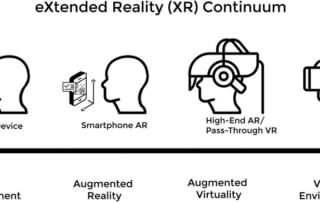
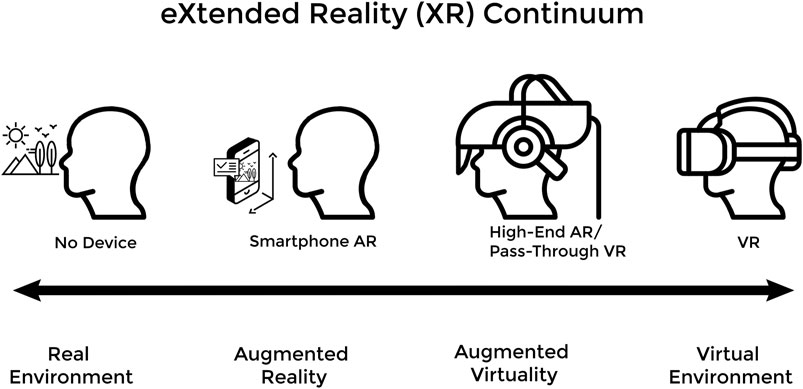
In the ever-evolving landscape of medical education, a new player has emerged, promising to revolutionize the way future doctors are trained. The integration of eXtended Reality (XR) technologies is reshaping the educational landscape by addressing the limitations of traditional methods.

Genetic Testing: A New Dawn in Healthcare

Genetic testing represents more than just a scientific advancement; it signifies a fundamental shift in how we approach health and wellness.

Sustainable Architecture: Blending Innovation with Ecological Responsibility

The journey toward sustainable architecture is ongoing, with each project serving as a beacon of what's achievable when creativity meets ecological awareness.

By |December 9, 2024|Categories: Architecture, Article, Sustainability|Tags: |0 Comments

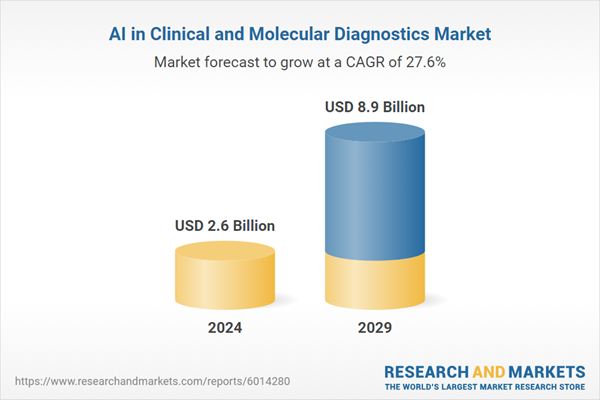
AI in Clinical and Molecular Diagnostics: A Market on the Rise

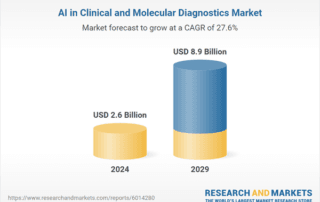
AI in Clinical and Molecular Diagnostics Market is set to experience remarkable growth, projected to surge from USD 2.6 billion in 2024 to USD 8.9 billion by 2029. This growth is driven by the integration of advanced AI technologies such as machine learning and deep learning into traditional diagnostic methodologies like imaging, genomics, and laboratory testing.

AI: A Revolution in Healthcare’s Future

AI is not a distant dream but a present reality, already integrated into everyday life through virtual assistants like Alexa and Siri. AI shows promise in enhancing medical accuracy, such as in predicting mesothelioma survival and improving colonoscopy accuracy, it is not intended to replace healthcare professionals.