AI in Healthcare: A Revolution in Progress or Just Hype?

Artificial Intelligence (AI) is poised to transform the landscape of healthcare, promising revolutionary advancements in drug discovery, personalized medicine, and even the operation of hospitals where super-smart robots might one day perform tasks as intricate as brain surgery. However, as we delve into the potential of AI in healthcare, it’s crucial to separate the genuine breakthroughs from the marketing bluster.

Current Landscape: Successes and Setbacks

Today, AI’s role in healthcare is marked by both notable achievements and instances of over-exaggerated claims. One of the most significant successes has been in the realm of drug and vaccine discovery. AI accelerated the development of mRNA vaccines during the COVID-19 pandemic and is now being leveraged to create new protections against many other diseases. Generative AI, akin to the technology behind ChatGPT, is also contributing to the creation of new immunotherapy drugs.

AI has proven adept at analyzing medical scans and records, often outperforming radiologists in spotting signs of diseases such as cancer and Alzheimer’s disease. According to the American College Of Surgeons, AI’s scan interpretations are often more robust and accurate than those of human radiologists.

However, the journey hasn’t been without its pitfalls. The partnership between IBM and MD Anderson Cancer Center was discontinued due to the Watson Health system’s inaccurate decision-making. Similarly, a study on online symptom-checker tools revealed their variable and low accuracy, posing potential risks to patient safety.

Expert Opinions: A Balanced View

Amidst the hype, experts offer a more nuanced perspective on AI in healthcare. Dr. Eric Topol, a geneticist and cardiologist, acknowledges AI’s value in applications like self-administered kits for urinary tract infections and lung problem analysis. He envisions a future where mobile phones provide inexpensive ultrasound scans and detect early diabetes signs from retinal images. Importantly, Dr. Topol emphasizes AI’s potential to restore the human element in medicine by freeing doctors to spend more time with patients.

Dr. Fei-Fei Li of Stanford University echoes this sentiment, noting that AI can alleviate the burden of routine tasks, allowing medical professionals to focus more on patient care. Yet, caution is warranted, as highlighted by an MIT Technology Review article that warns of AI tools potentially being trained on biased data, which could impact diagnostic accuracy.

The Road Ahead: Realizing Potential Amidst Challenges

While AI’s potential in healthcare is undeniable, realizing its full benefits will require overcoming challenges such as data privacy concerns, implementation costs, and the need for training healthcare professionals. The most promising applications will likely augment rather than replace human expertise, enhancing the capabilities of medical practitioners.

For technology companies developing AI tools, maintaining a focus on augmenting human skills will be essential in driving meaningful advancements that benefit all.

More Articles

Getting licensed or staying ahead in your career can be a journey—but it doesn’t have to be overwhelming. Grab your favorite coffee or tea, take a moment to relax, and browse through our articles. Whether you’re just starting out or renewing your expertise, we’ve got tips, insights, and advice to keep you moving forward. Here’s to your success—one sip and one step at a time!

Is Florida’s Booming Real Estate Market Becoming Unaffordable?

Florida is facing a real estate crisis marked by skyrocketing insurance premiums, stringent FEMA rules, and a surge in hedge fund property acquisitions.

By |November 14, 2024|Categories: Article, Finance/Economy, Real Estate|Tags: , |0 Comments

Revolutionizing Cancer Therapy: The Promise of Patient-Derived Organoids

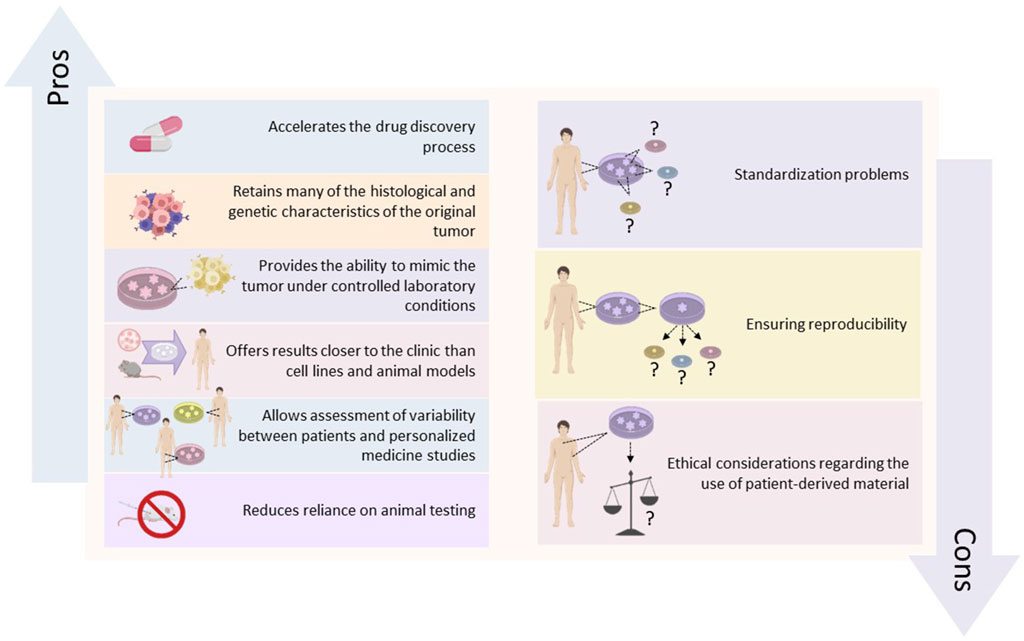
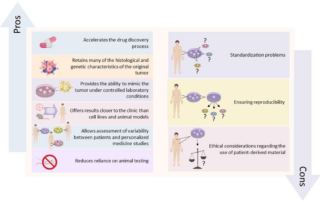
Patient-derived organoids offer an unprecedented opportunity to replicate the complex structure and genetic makeup of cancers, providing a more accurate model for clinical drug screening and pharmacognostic assessment.

The AI Revolution in Dermatology: A Systematic Review

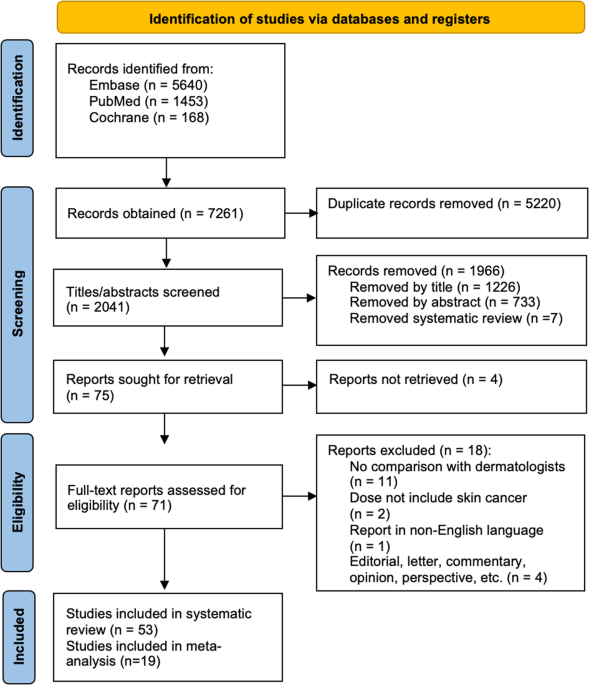
In a groundbreaking study published in Nature, researchers have delved into the burgeoning field of artificial intelligence (AI) in dermatology, specifically examining its role in diagnosing skin cancer. The study, titled "A Systematic Review and Meta-Analysis of Artificial Intelligence Versus Clinicians for Skin Cancer Diagnosis," offers a comprehensive look at how AI stacks up against human clinicians in this critical area of healthcare.

By |November 14, 2024|Categories: AI in Healthcare, Article, Dermatology|Tags: , |0 Comments

The Fast Lane to Fully Autonomous Vehicles: Industry Innovations and Future Prospects

The automotive world is abuzz with announcements from major players like Tesla, Rimac, Renault, and Nissan, each unveiling plans to introduce autonomous vehicles in the near future. Tesla's much-anticipated "CyberCab" is set for an October 2024 debut, while Rimac and Renault are gearing up for releases in 2026.

Futureproofing for Insurers: The Role of AI and Hyper-Personalization

In a rapidly evolving industry, insurance companies are turning to artificial intelligence (AI) and hyper-personalization to stay ahead of the curve.

Revolutionizing Healthcare: The Power and Potential of AI

AI technology offers a multitude of benefits, from enhancing patient outcomes to reducing healthcare costs and improving population health. Its application ranges from preventive screenings to complex diagnostic procedures, marking a new era in medical care.

By |November 13, 2024|Categories: Article, Artificial Intelligence, Healthcare|Tags: , |0 Comments