Exploring the Role of AI in Healthcare: Balancing Innovation with Patient-Centric Ethics

In a rapidly evolving medical landscape, the integration of artificial intelligence (AI) into healthcare is stirring both excitement and apprehension. A recent study published in BMC Medical Ethics delves into these dynamics, examining public perceptions of AI’s role in medical settings and its implications for patient-centered care. As advancements in technology continue to reshape the healthcare industry, the study highlights both the potential benefits and ethical concerns associated with AI integration.
AI is heralded as a transformative force in healthcare, promising to enhance efficiency and accuracy in various medical tasks. However, the study, conducted by researchers from Florida Atlantic University and the University of South Florida, underscores the importance of maintaining the core principles of patient-centered care. The research explores the extent to which patients are comfortable with AI technologies, particularly in areas that traditionally rely on personal interactions, such as the doctor-patient relationship.
The findings reveal a nuanced perspective among patients. While many appreciate AI’s potential to streamline administrative tasks like scheduling and data management, there is a prevailing concern that AI could erode the human touch that is integral to healthcare. The study indicates that patients are more receptive to AI in roles that support rather than replace human decision-making.

Balancing Technology and Human Interaction

The integration of AI in healthcare presents a delicate balance between technological advancement and the preservation of human-centric care. As noted in the study, while AI can augment healthcare processes, there is a pressing need for clear guidelines and regulations to ensure that AI does not undermine the therapeutic alliance between patients and healthcare providers.
The study also highlights the role of decision self-efficacy in shaping patient perceptions of AI. Individuals with higher confidence in their medical decision-making abilities tend to be more open to AI-enabled healthcare applications. This finding suggests that empowering patients with information and choices about AI’s role in their care could enhance acceptance and trust.

Ethical Considerations and Future Directions

As AI continues to permeate the healthcare sector, ethical considerations become paramount. The study calls for a collaborative effort to develop regulatory frameworks that address patient consent, transparency, and accountability in AI applications. Ensuring that AI systems are designed with ethical considerations in mind is crucial to fostering trust and acceptance among patients.
For a deeper dive into the study’s findings and implications, the original article is accessible at BMC Medical Ethics. This comprehensive exploration offers valuable insights into how AI can be integrated into healthcare without compromising the principles of patient-centered care.

Conclusion

The integration of AI in healthcare is a double-edged sword, offering both opportunities and challenges. As the medical community navigates this new frontier, maintaining a focus on patient-centered ethics will be essential. By addressing public concerns and establishing robust guidelines, AI can be a powerful ally in enhancing healthcare delivery while preserving the human elements that patients value most.

More Articles

Getting licensed or staying ahead in your career can be a journey—but it doesn’t have to be overwhelming. Grab your favorite coffee or tea, take a moment to relax, and browse through our articles. Whether you’re just starting out or renewing your expertise, we’ve got tips, insights, and advice to keep you moving forward. Here’s to your success—one sip and one step at a time!

Revolutionizing Radiology: AI’s Impact on Diagnostics

AI-powered tools are enhancing the speed and accuracy of diagnoses, significantly benefiting patient outcomes, especially in resource-constrained environments.

By |November 26, 2024|Categories: Article, Artificial Intelligence, Healthcare|Tags: |0 Comments

Exploring the Shifting Landscape of Real Estate in 2024

The real estate market is undergoing significant transformations as we step into 2024, with several trends reshaping the industry. This analysis delves into the top nine trends that are expected to impact the real estate sector this year.

By |November 26, 2024|Categories: Article, Market Trends, Real Estate|Tags: , |0 Comments

AI Revolutionizing Clinical and Molecular Diagnostics

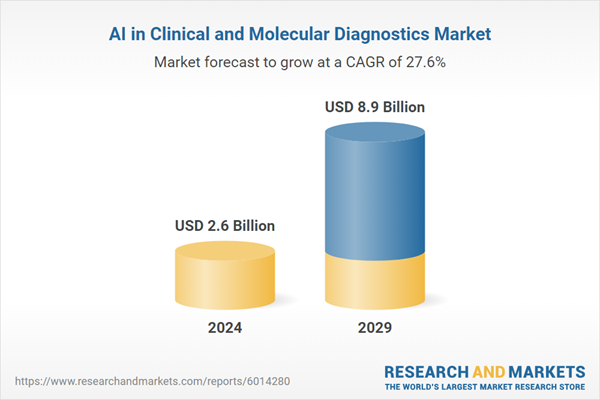
In a groundbreaking development, the market for AI in clinical and molecular diagnostics is set to experience a phenomenal growth trajectory, projected to skyrocket from USD 2.6 billion in 2024 to USD 8.9 billion by 2029 with a robust CAGR of 27.6%.

2025 Banking and Capital Markets Outlook: Navigating Low-Growth Challenges

The overarching goal for banks will be to adapt adeptly to macroeconomic shifts and regulatory implementations such as the Basel III Endgame re-proposal, which calls for strategic recalibration to ensure compliance without sacrificing growth.

CRISPR Technology Market Poised for Remarkable Growth to USD 12,461 Million by 2031

The CRISPR technology market, valued at USD 3,642.1 million in 2024, is anticipated to soar to USD 12,461 million by 2031, marking a robust CAGR of 19.2%.

By |November 25, 2024|Categories: Article, Biotechnology, Healthcare|Tags: , |0 Comments

Mortgage Rates Rise: A Window for Buyers Amid a Cloudy Future

Mortgage rates are climbing, with the 30-year fixed mortgage rate now at 6.64% and the 15-year fixed rate at 5.98%. This increase suggests a challenging landscape for potential refinancing, but a possible opportunity for homebuyers as competition wanes during the holiday season.


By |November 24, 2024|Categories: Article, Finance, Real Estate|Tags: , |0 Comments