In the bustling world of healthcare innovation, artificial intelligence (AI) is rapidly becoming a pivotal force, promising to transform the way we experience medical care. This October, Northeastern University’s Institute for Experiential AI will host a groundbreaking workshop and conference aimed at exploring AI’s potential in healthcare, particularly in the realm of precision health.

AI in Healthcare: A Seamless Revolution

“If AI is working the way that we envision it, you actually won’t notice a lot of direct impact,” says Sam Scarpino, the AI+Life Sciences director at Northeastern University. The vision is for AI to operate quietly in the background, much like a well-oiled engine, enhancing the efficiency of medical processes and enabling earlier detection of diseases, such as cancer.

Gene Tunik, the AI+Health director, echoes this sentiment, emphasizing that AI should function seamlessly, optimizing drug development, cancer diagnosis, and medical data management. Despite these advancements, AI is not yet universally adopted in healthcare settings due to challenges in accuracy, cost, and data quality.

Upcoming Events: Workshops and Conferences

To address these challenges and opportunities, Northeastern University will host two significant events. On October 9, the Future of AI in Health & Life Sciences Workshop will gather experts to discuss integrating AI into healthcare training. The following day, October 10, the State of AI in Precision Health Conference will focus on precision health, a highly individualized approach to medicine.

Precision Health: The Future of Medicine

Precision health requires physicians to analyze vast amounts of data quickly to meet specific health objectives. As Usama Fayyad, the institute’s executive director, explains, AI’s ability to process data efficiently makes it an invaluable tool in this area. The conference will feature discussions on AI’s role in drug discovery, aging in place, and patient care.

A Computational Transformation

Raimond Winslow, director of life sciences and medicine research, highlights that medicine is increasingly becoming a computational discipline. This transformation, akin to the shift in biology over the past two decades, means that AI will play a crucial role in informing healthcare decisions.

As Northeastern University prepares to lead these vital discussions, the healthcare industry stands on the brink of a transformation that will redefine patient care in the AI era.

More Articles

Getting licensed or staying ahead in your career can be a journey—but it doesn’t have to be overwhelming. Grab your favorite coffee or tea, take a moment to relax, and browse through our articles. Whether you’re just starting out or renewing your expertise, we’ve got tips, insights, and advice to keep you moving forward. Here’s to your success—one sip and one step at a time!

UK Government Charts Course for Crypto Regulation

In a significant move post the July 2024 UK general election, Economic Secretary to the UK Treasury, Tulip Siddiq MP, delivered a pivotal speech at the Tokenisation Summit on November 21, 2024. This address marked the unveiling of the UK government's strategic approach towards digital asset regulation, underscoring a commitment to innovation within the financial services sector.

Revolutionizing Rare Disease Diagnosis: How AI and Large Language Models are Changing the Game

The AI-driven platform promises to cut diagnostic times by a staggering 80% and reduce healthcare costs by 70%, meaning quicker treatments, fewer hospital visits, and improved outcomes for patients and their families.

Navigating AI in Healthcare: Empowering Clinicians for a Technological Revolution

Clinicians now find themselves at the forefront of a technological revolution that promises to tackle complex healthcare challenges. Key to this evolution is the adoption of generative AI models and multimodal approaches that open new possibilities for solving entrenched healthcare problems.

Telemedicine: A Beacon of Hope for Healthcare Accessibility

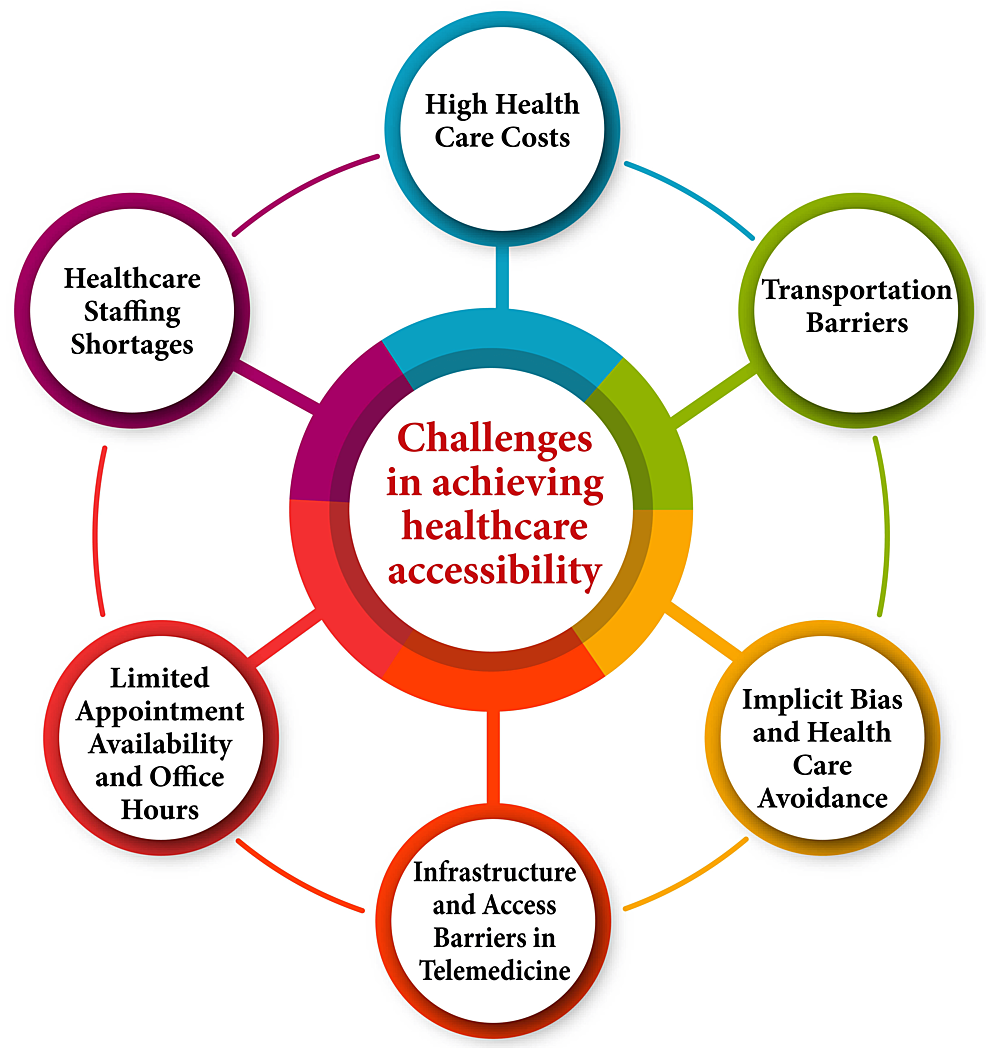
Telemedicine, a transformative force in healthcare, is reshaping how we access medical services, especially in underserved and remote regions.

By |January 18, 2025|Categories: Article, Healthcare, Technology|Tags: , |0 Comments

Transforming Finance: The Rise of Decentralized Finance with Kavita Gupta & Robert Mitchnick

In the contemporary landscape of finance, the rise of decentralized finance (DeFi) is not only transforming how we conduct transactions but is also having profound implications for the environment, humanity, and the global economy.

By |January 17, 2025|Categories: Article, Finance, Technology|Tags: |0 Comments

Unveiling the Dual Nature of AI in Oncology

AI could rival or even outperform traditional genomic profiling in predicting critical cancer characteristics, positioning it as a potential disruptor in the tumor analysis industry.

By |January 17, 2025|Categories: Article, Healthcare, Technology|Tags: |0 Comments