In the rapidly evolving landscape of healthcare, artificial intelligence (AI) stands at the forefront of technological innovation, promising to revolutionize medicine. From brain surgery to personalized treatments, the potential applications of AI are vast and varied. Yet, as the Forbes article suggests, the line between groundbreaking innovation and overhyped promise is razor-thin.
Current Advancements AI has already demonstrated its prowess in several areas. Notably, it expedited the development of mRNA vaccines for COVID-19 and is now being harnessed to create new protections against a variety of diseases. Generative AI, akin to ChatGPT, is also paving the way for new immunotherapy drugs.
In diagnostics, AI’s ability to analyze medical scans and records is proving invaluable. The American College of Surgeons notes that AI often surpasses radiologists in interpreting scans, identifying subtle signs of diseases like cancer and Alzheimer’s disease.
Challenges and Caution
Despite these successes, AI in healthcare is not without its challenges. A study on pulmonary embolism highlighted AI’s potential to reduce hospital stays, yet not all AI applications have been as effective. The discontinuation of IBM’s Watson Health partnership with MD Anderson Cancer Center due to accuracy issues serves as a cautionary tale.
Moreover, symptom-checker tools, which sometimes rely on AI, have been criticized for their low accuracy, posing potential safety risks. Additionally, the promise of administrative efficiencies through AI remains largely unrealized, with little evidence of significant cost savings or improvements in patient care.
Expert Opinions
Experts offer a range of perspectives on AI’s future in healthcare. Dr. Eric Topol, author of Deep Medicine, acknowledges AI’s utility in certain applications but emphasizes the irreplaceable value of human interaction in patient care. He envisions a future where AI augments rather than replaces human skills, enabling doctors to spend more time with patients.
Dr. Fei-Fei Li from Stanford University echoes this sentiment, highlighting AI’s role in alleviating administrative burdens, thereby restoring the “human element” to medicine. However, an article in MIT Technology Review warns against over-reliance on AI, particularly when trained on biased data, which could lead to inequities in care.
The Path Forward
While AI holds the promise of transforming healthcare, it is not a panacea. The early successes in drug discovery and diagnostics are promising, yet challenges such as data privacy, cost, and training must be addressed. The consensus among professionals is that AI should enhance human expertise, not replace it.
For technology companies, the key to driving meaningful change lies in developing AI applications that complement human skills, thereby delivering tangible benefits to healthcare systems and patients alike.
More Articles
Getting licensed or staying ahead in your career can be a journey—but it doesn’t have to be overwhelming. Grab your favorite coffee or tea, take a moment to relax, and browse through our articles. Whether you’re just starting out or renewing your expertise, we’ve got tips, insights, and advice to keep you moving forward. Here’s to your success—one sip and one step at a time!
Newman Properties, a Massachusetts-based investment firm, has expanded its footprint into Connecticut with the $3.65 million acquisition of a 6,350‑square‑foot retail building in Enfield. Anchored by national restaurant chain Red Robin, the property offers the type of stable tenancy investors seek when entering new markets. The deal underscores growing confidence in anchored retail assets and provides a valuable real-world example for real estate professionals studying market analysis, investment strategy, and portfolio expansion.
JPMorgan now expects national home prices to flatten in 2026, but the Sunbelt is telling a very different story. Florida home values are down 5.1%, Texas is down 2.4%, and analysts warn that years of rapid building are finally catching up to the region. As demand stabilizes and inventory swells, real estate professionals — especially in Florida — face a market full of challenges, opportunities, and critical timing decisions.
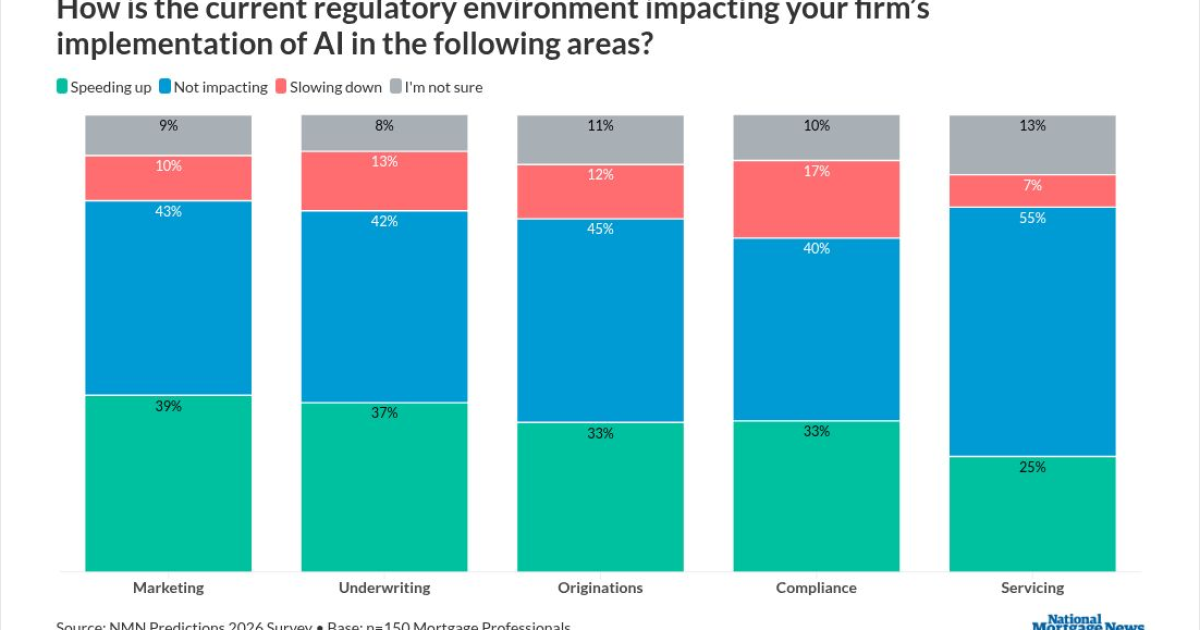
Artificial intelligence is finally stepping into the mortgage underwriting spotlight, with 57% of mortgage professionals predicting it will drive the most transformative industry shift in 2026. Thanks to major advancements in language models and workflow automation, AI is now capable of navigating the messy, document-heavy realities that have long slowed underwriting. From faster preapprovals to improved credit analysis and real‑time income verification, AI is streamlining processes while allowing underwriters to focus on true risk management. As regulatory winds shift and grassroots pressure builds within lending teams, the industry is entering a pivotal era where AI‑powered underwriting becomes not just an advantage — but an expectation.
Portland’s top 20 office towers have lost an unprecedented 70% of their value since 2019—plunging from $3 billion to under $1 billion—triggering tax revenue shortfalls, budget crises, and a surge in appeals as the city grapples with its biggest commercial real estate reset in modern history.
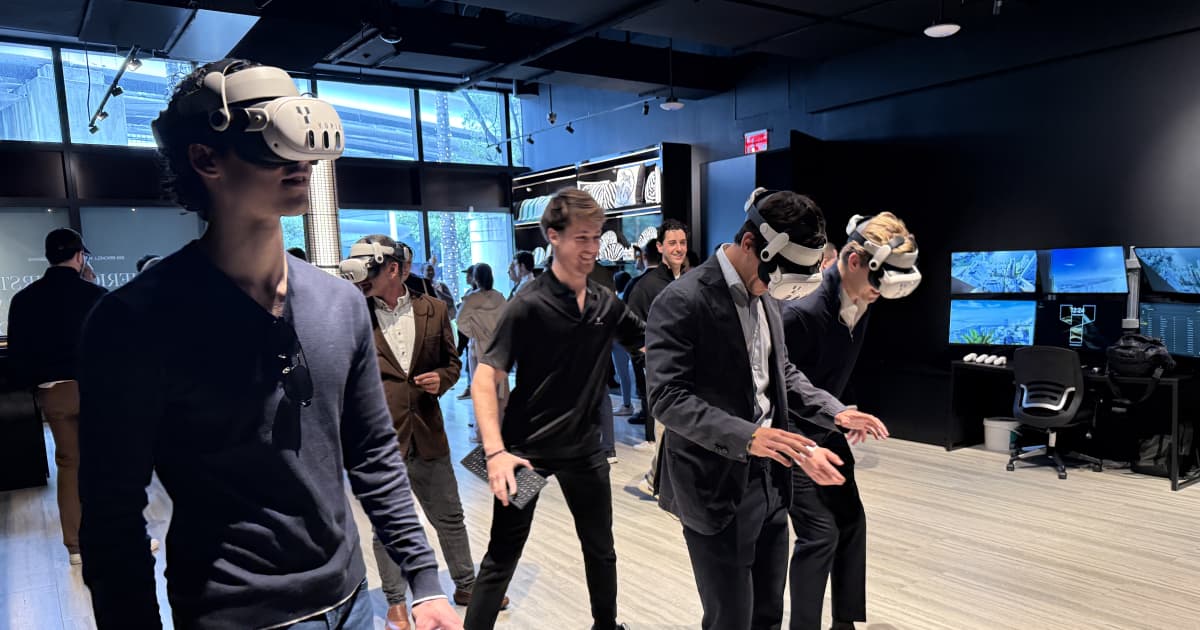
South Florida’s luxury real estate market just raised the bar again — this time with a $1 million virtual reality system that lets buyers walk through Dolce & Gabbana’s upcoming Miami tower long before construction wraps. Real estate master’s students were given an immersive look inside the project, discovering how VR is transforming high‑end development, influencing buyer psychology, and shaping the future skills today’s professionals need.
Long Island’s commercial real estate scene is kicking off 2026 with a surge of activity—industrial leases in Medford, neighborhood retail trades in Bohemia, Pizza Hut’s new DELCO expansion in Centereach, mixed‑use acquisitions in Melville, and major investor interest in bank‑leased and franchise-backed properties. From warehouses to restaurant rebrands, these deals highlight a region evolving fast and offering fresh opportunities for agents, investors, and professionals looking to stay ahead in the market.