In the rapidly evolving landscape of healthcare, artificial intelligence (AI) stands at the forefront of technological innovation, promising to revolutionize medicine. From brain surgery to personalized treatments, the potential applications of AI are vast and varied. Yet, as the Forbes article suggests, the line between groundbreaking innovation and overhyped promise is razor-thin.
Current Advancements AI has already demonstrated its prowess in several areas. Notably, it expedited the development of mRNA vaccines for COVID-19 and is now being harnessed to create new protections against a variety of diseases. Generative AI, akin to ChatGPT, is also paving the way for new immunotherapy drugs.
In diagnostics, AI’s ability to analyze medical scans and records is proving invaluable. The American College of Surgeons notes that AI often surpasses radiologists in interpreting scans, identifying subtle signs of diseases like cancer and Alzheimer’s disease.
Challenges and Caution
Despite these successes, AI in healthcare is not without its challenges. A study on pulmonary embolism highlighted AI’s potential to reduce hospital stays, yet not all AI applications have been as effective. The discontinuation of IBM’s Watson Health partnership with MD Anderson Cancer Center due to accuracy issues serves as a cautionary tale.
Moreover, symptom-checker tools, which sometimes rely on AI, have been criticized for their low accuracy, posing potential safety risks. Additionally, the promise of administrative efficiencies through AI remains largely unrealized, with little evidence of significant cost savings or improvements in patient care.
Expert Opinions
Experts offer a range of perspectives on AI’s future in healthcare. Dr. Eric Topol, author of Deep Medicine, acknowledges AI’s utility in certain applications but emphasizes the irreplaceable value of human interaction in patient care. He envisions a future where AI augments rather than replaces human skills, enabling doctors to spend more time with patients.
Dr. Fei-Fei Li from Stanford University echoes this sentiment, highlighting AI’s role in alleviating administrative burdens, thereby restoring the “human element” to medicine. However, an article in MIT Technology Review warns against over-reliance on AI, particularly when trained on biased data, which could lead to inequities in care.
The Path Forward
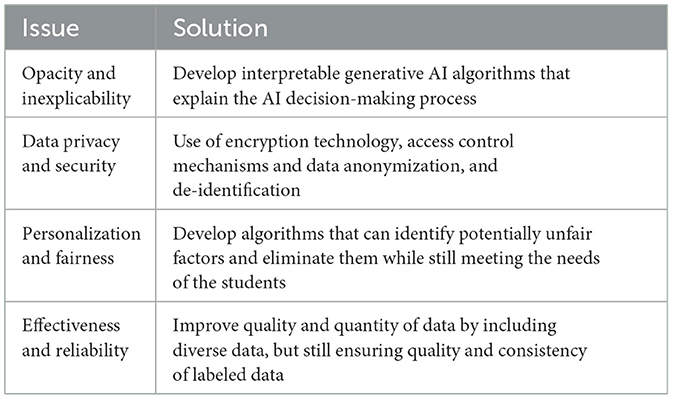
While AI holds the promise of transforming healthcare, it is not a panacea. The early successes in drug discovery and diagnostics are promising, yet challenges such as data privacy, cost, and training must be addressed. The consensus among professionals is that AI should enhance human expertise, not replace it.
For technology companies, the key to driving meaningful change lies in developing AI applications that complement human skills, thereby delivering tangible benefits to healthcare systems and patients alike.
More Articles
Getting licensed or staying ahead in your career can be a journey—but it doesn’t have to be overwhelming. Grab your favorite coffee or tea, take a moment to relax, and browse through our articles. Whether you’re just starting out or renewing your expertise, we’ve got tips, insights, and advice to keep you moving forward. Here’s to your success—one sip and one step at a time!
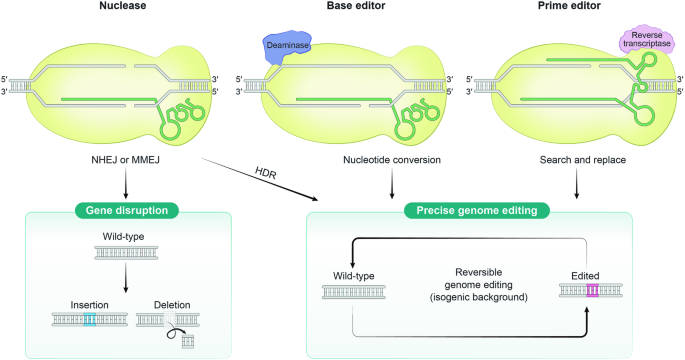
Gene editing technology is swiftly emerging as a transformative force in both healthcare and agriculture, particularly through tools like CRISPR-Cas9, which offer precise methods to modify genes and promise to revolutionize treatment for genetic disorders, cancer, and infectious diseases.
Angela Wong, Chief Marketing and Customer Officer at AXA Hong Kong & Macau, underscores the critical need for comprehensive insurance solutions for gig workers.
The AMA highlights that AI's integration must be guided by the fundamental principles of medical ethics: patient autonomy, beneficence, nonmaleficence, and justice.
AI, which simulates human intelligence, is reshaping various sectors, particularly healthcare. The ability to perform complex tasks, such as diagnostics and personalized healthcare, is no longer confined to human capabilities alone.
A recent study published in Nature on July 25, 2024, unveils a cutting-edge chatbot named Chat Ella, designed to assist in the diagnosis of chronic diseases.