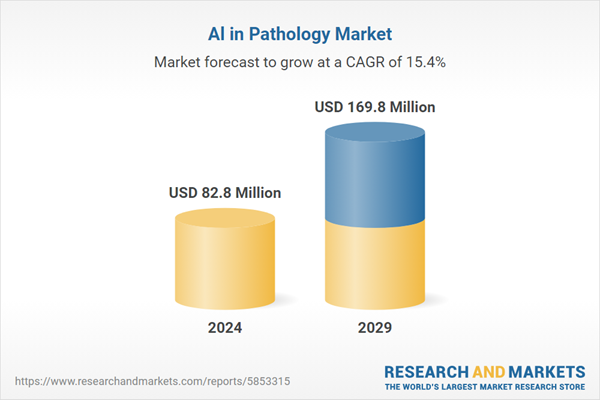
In the rapidly evolving world of healthcare, artificial intelligence (AI) is emerging as a game-changer, redefining how patient care is delivered in hospitals. From enhancing diagnostics to crafting personalized treatment plans and streamlining administration, AI is at the forefront of this transformation.
Imagine a healthcare system where hospitals operate with peak efficiency, patient care is meticulously tailored to individual needs, and healthcare providers collaborate seamlessly. This vision is becoming a reality, thanks to AI’s integration into patient care. As highlighted in a recent article by Netguru, AI is not just a futuristic concept but a present-day revolution in healthcare.
Enhancing Patient Experience with AI
AI is reshaping the patient experience by making healthcare more accessible, efficient, and personalized. Through AI-assisted scheduling, virtual health assistants, and remote monitoring, patients receive care that is tailored to their specific needs, significantly reducing wait times and enhancing overall satisfaction.
AI-Assisted Patient Scheduling
Long wait times have long been a bane for both patients and healthcare providers. AI-assisted scheduling utilizes algorithms to analyze patient data and determine optimal appointment times, thereby improving patient flow and hospital resource utilization.
Virtual Health Assistants
Navigating the complexities of the healthcare system can be daunting for patients. Virtual health assistants provide personalized support and real-time assistance, empowering patients to take control of their health journey.
AI-Powered Medical Diagnostics
The role of AI extends beyond patient experience into the realm of medical diagnostics. AI-driven tools, such as image analysis in radiology and pathology, enhance the accuracy and speed of medical condition identification, leading to better patient outcomes.
Image Analysis and Radiology
AI-driven image analysis is revolutionizing radiology by employing advanced machine learning techniques to improve diagnostic accuracy, particularly in early disease detection.
Pathology and Lab Tests
AI applications in pathology streamline processes, increasing efficiency and accuracy in diagnosing diseases, as evidenced by companies like PathAI.
AI-Driven Personalized Treatment Plans
AI is also transforming how healthcare providers approach treatment plans. By leveraging precision medicine, drug dosing, and predictive analytics, AI creates tailored treatment plans, improving patient outcomes and reducing healthcare costs.
Precision Medicine
AI plays a pivotal role in precision medicine by analyzing vast amounts of patient data to identify the most effective treatments, reducing side effects and enhancing patient satisfaction.
AI Applications in Hospital Administration
Beyond patient care, AI is streamlining hospital administration processes, including revenue cycle management, clinical documentation improvement, and supply chain optimization.
While AI holds immense potential, its implementation faces challenges such as ethical considerations, workforce adaptation, and regulatory compliance. Addressing these challenges is crucial to unlocking AI’s full potential in healthcare.
As AI continues to evolve, the future of patient care in hospitals looks promising, with improved outcomes, streamlined operations, and reduced costs. By embracing the potential of AI, the healthcare industry can look forward to a future where patient care is more personalized, efficient, and effective than ever before.
More Articles
Getting licensed or staying ahead in your career can be a journey—but it doesn’t have to be overwhelming. Grab your favorite coffee or tea, take a moment to relax, and browse through our articles. Whether you’re just starting out or renewing your expertise, we’ve got tips, insights, and advice to keep you moving forward. Here’s to your success—one sip and one step at a time!
In the fast-evolving world of insurance, a transformative shift is underway, driven by the development of customer-centric ecosystems. As highlighted in a comprehensive study by EY, insurance ecosystems are reshaping the industry by focusing on customer engagement, trust, and operational excellence.
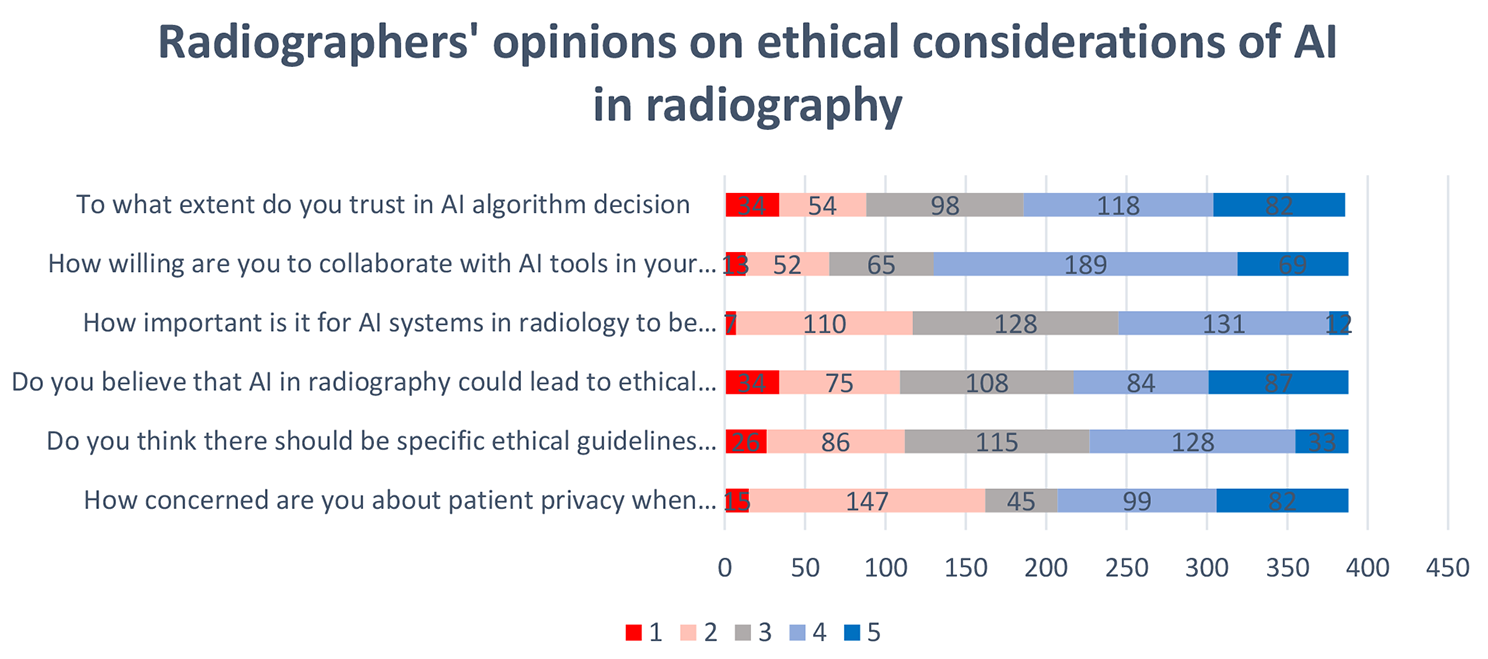
The integration of artificial intelligence in radiography brings a host of ethical challenges that demand careful consideration. A recent study highlights the diverse perspectives of radiographers, revealing significant knowledge gaps and varying trust levels in AI-driven decisions. Concerns over patient privacy and the need for dedicated ethical guidelines are pivotal as healthcare embraces AI.
AI tools are already delivering significant value and are poised to further transform healthcare. Embracing these changes today will position organizations and individuals to capture the long-term benefits of a more effective, efficient, and personalized healthcare system.
AI in pathology is revolutionizing the field by enhancing the analysis of clinical data, genomic information, and disease progression. These advancements are not only streamlining personalized treatment plans but also optimizing healthcare resource allocation.
In an era where data reigns supreme, the integration of artificial intelligence (AI) and machine learning (ML) into the realm of precision medicine is not just a possibility but a burgeoning reality.