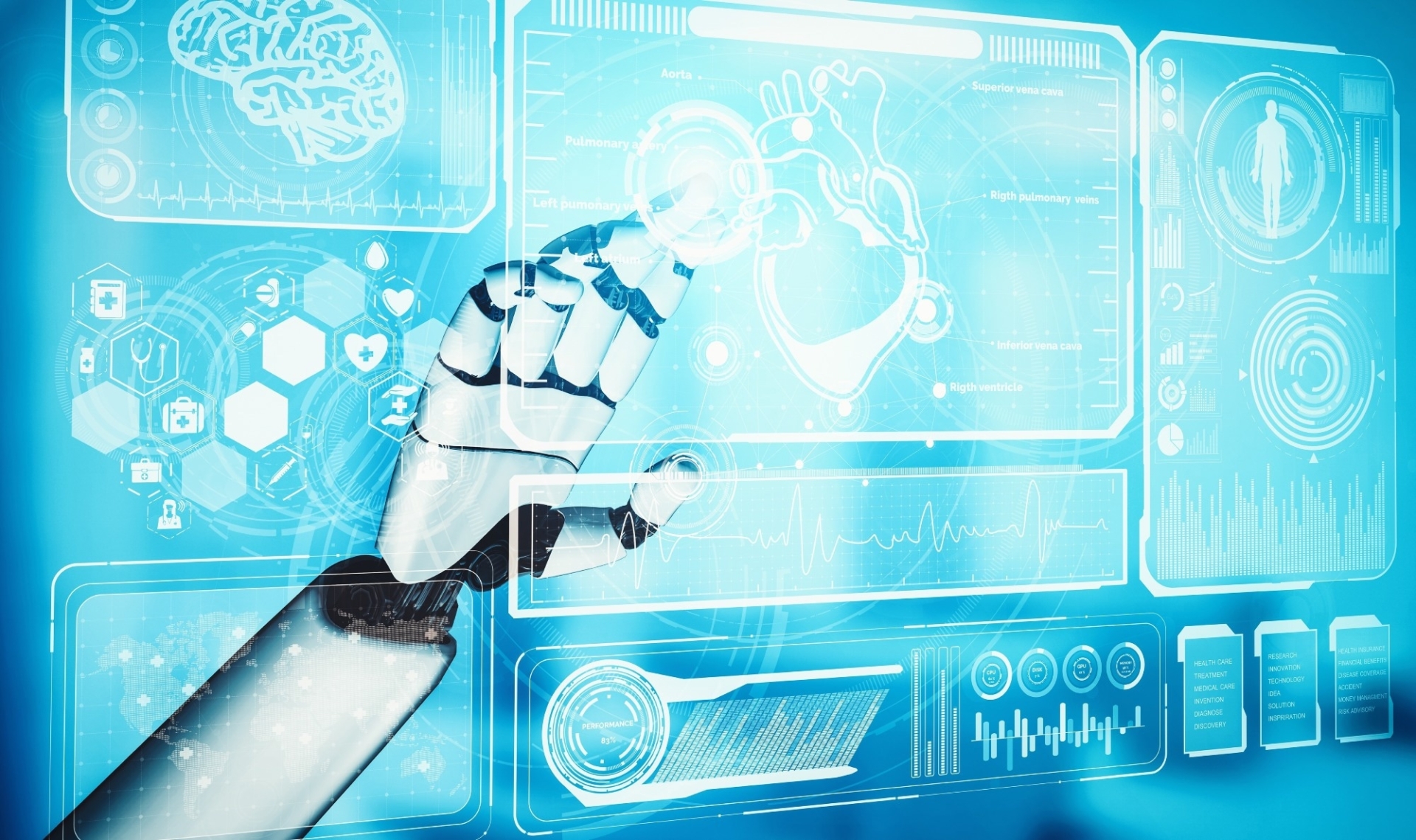
In the rapidly evolving world of healthcare, artificial intelligence (AI) is emerging as a game-changer, redefining how patient care is delivered in hospitals. From enhancing diagnostics to crafting personalized treatment plans and streamlining administration, AI is at the forefront of this transformation.

Imagine a healthcare system where hospitals operate with peak efficiency, patient care is meticulously tailored to individual needs, and healthcare providers collaborate seamlessly. This vision is becoming a reality, thanks to AI’s integration into patient care. As highlighted in a recent article by Netguru, AI is not just a futuristic concept but a present-day revolution in healthcare.

Enhancing Patient Experience with AI


AI is reshaping the patient experience by making healthcare more accessible, efficient, and personalized. Through AI-assisted scheduling, virtual health assistants, and remote monitoring, patients receive care that is tailored to their specific needs, significantly reducing wait times and enhancing overall satisfaction.

AI-Assisted Patient Scheduling


Long wait times have long been a bane for both patients and healthcare providers. AI-assisted scheduling utilizes algorithms to analyze patient data and determine optimal appointment times, thereby improving patient flow and hospital resource utilization.

Virtual Health Assistants


Navigating the complexities of the healthcare system can be daunting for patients. Virtual health assistants provide personalized support and real-time assistance, empowering patients to take control of their health journey.

AI-Powered Medical Diagnostics


The role of AI extends beyond patient experience into the realm of medical diagnostics. AI-driven tools, such as image analysis in radiology and pathology, enhance the accuracy and speed of medical condition identification, leading to better patient outcomes.

Image Analysis and Radiology


AI-driven image analysis is revolutionizing radiology by employing advanced machine learning techniques to improve diagnostic accuracy, particularly in early disease detection.

Pathology and Lab Tests


AI applications in pathology streamline processes, increasing efficiency and accuracy in diagnosing diseases, as evidenced by companies like PathAI.

AI-Driven Personalized Treatment Plans


AI is also transforming how healthcare providers approach treatment plans. By leveraging precision medicine, drug dosing, and predictive analytics, AI creates tailored treatment plans, improving patient outcomes and reducing healthcare costs.

Precision Medicine


AI plays a pivotal role in precision medicine by analyzing vast amounts of patient data to identify the most effective treatments, reducing side effects and enhancing patient satisfaction.

AI Applications in Hospital Administration


Beyond patient care, AI is streamlining hospital administration processes, including revenue cycle management, clinical documentation improvement, and supply chain optimization.

Revenue Cycle Management


AI-driven revenue cycle management automates billing processes, reducing financial waste and enhancing hospital operations.

Overcoming Challenges in Implementing AI


While AI holds immense potential, its implementation faces challenges such as ethical considerations, workforce adaptation, and regulatory compliance. Addressing these challenges is crucial to unlocking AI’s full potential in healthcare.

As AI continues to evolve, the future of patient care in hospitals looks promising, with improved outcomes, streamlined operations, and reduced costs. By embracing the potential of AI, the healthcare industry can look forward to a future where patient care is more personalized, efficient, and effective than ever before.

Ai implementations case studies

More Articles

Getting licensed or staying ahead in your career can be a journey—but it doesn’t have to be overwhelming. Grab your favorite coffee or tea, take a moment to relax, and browse through our articles. Whether you’re just starting out or renewing your expertise, we’ve got tips, insights, and advice to keep you moving forward. Here’s to your success—one sip and one step at a time!

2025 Commercial Real Estate Outlook: Navigating a New Era

The commercial real estate landscape is on the brink of transformation as leaders seek to navigate the challenges of recent years and position their organizations for future opportunities.

The Emerging Mental Health Crisis Among Healthcare Workers During the COVID-19 Pandemic

The pandemic has ushered in a wave of mental health challenges that affect healthcare workers profoundly. From the onset of COVID-19, these professionals have been at the forefront, facing immense pressure, long hours, and the constant fear of exposure.

By |December 18, 2024|Categories: Article, Healthcare Workers, Mental Health|Tags: , |0 Comments

Ethical Concerns of Large Language Models in Healthcare

Exploring the dual nature of LLMs offers substantial benefits in healthcare but also raises significant ethical concerns, underscoring the need for well-defined guidelines and human oversight.

The Role of Wearable Devices in Chronic Disease Monitoring and Patient Care: A Comprehensive Review

Wearable devices have become integral in managing chronic conditions by providing continuous health data, empowering patients and healthcare professionals with insights that were previously unattainable.

AI Training Mandates: Navigating Legal Waters in Dentistry

The integration of artificial intelligence (AI) into dental practices is more than a technological trend; it represents a seismic shift in the industry. This transformation is reshaping skill sets and prompting a thorough examination of legal and ethical implications.

By |December 17, 2024|Categories: Article, Legal, Technology|Tags: , |0 Comments

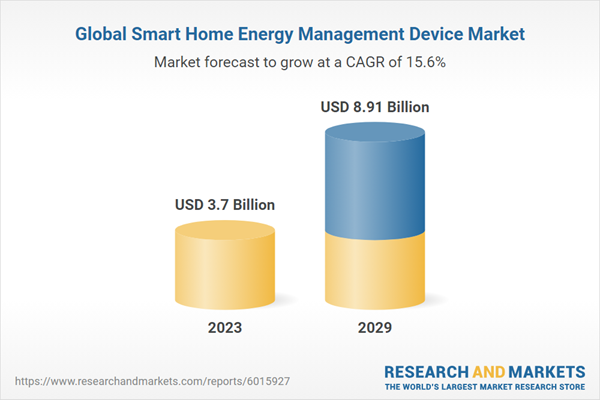
Smart Home Energy Management Devices: A Market Poised for Growth

The Global Smart Home Energy Management Device Market is on the brink of a significant transformation, driven by escalating demands for energy-efficient solutions and the increasing adoption of smart home technologies.