AI in Healthcare: Revolutionizing the Medical Field
In the rapidly evolving landscape of healthcare,
artificial intelligence (AI) is making waves, transforming how medical professionals diagnose, treat, and care for patients. With the
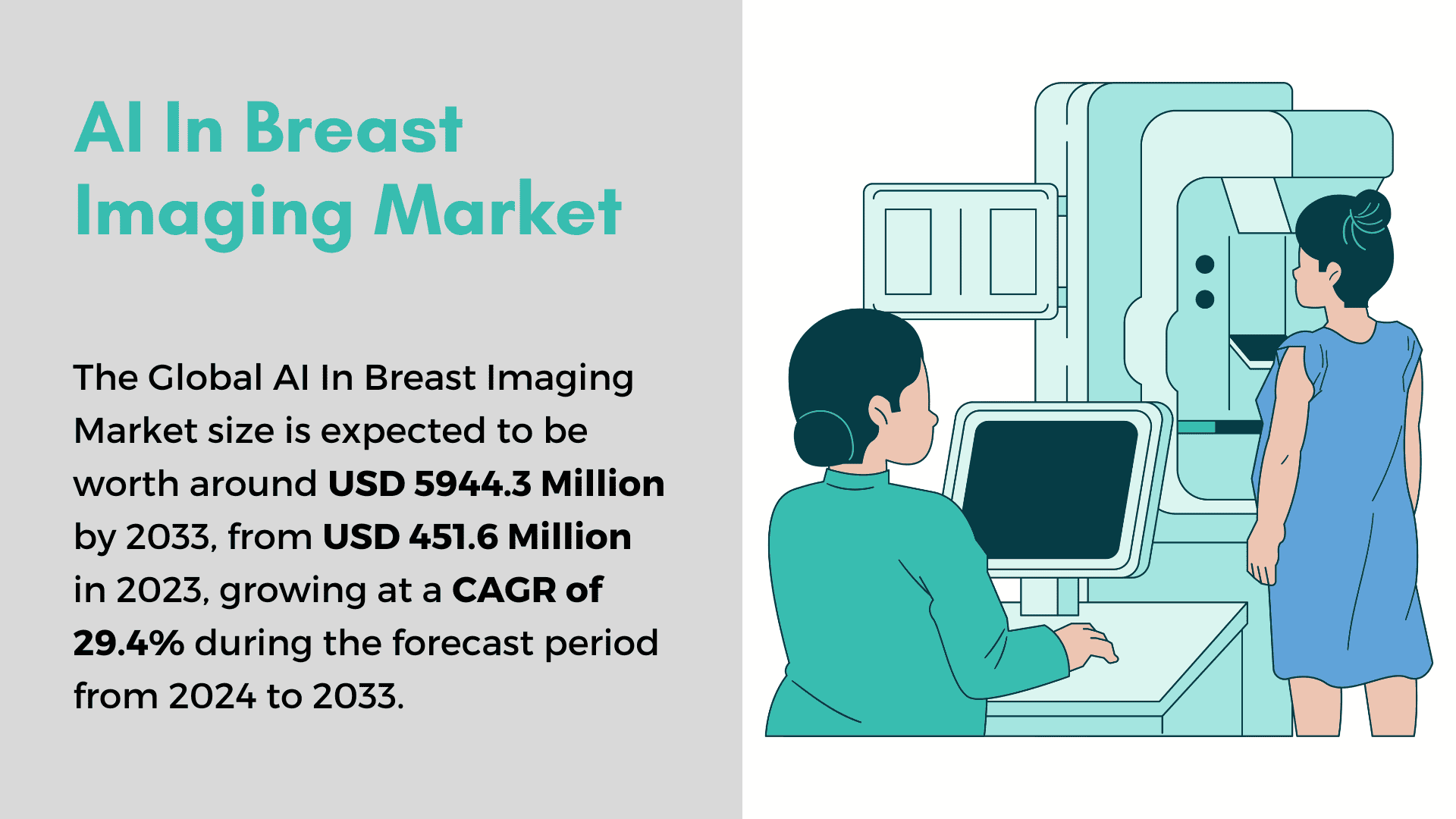
AI healthcare market projected to skyrocket from $20.9 billion in 2024 to an astounding $148.4 billion within five years, the future of
AI in healthcare promises unprecedented advancements.

AI: Beyond Virtual Assistance
The integration of
AI in healthcare extends far beyond being a mere virtual assistant. From
patient assistance to surgical precision and pharmaceutical development, AI is enhancing every facet of the medical field. As
automation and AI continue to evolve, they are streamlining administrative workflows, thus allowing healthcare professionals to focus more on patient care.
Fraud Prevention and Administrative Efficiency
AI plays a pivotal role in combating
healthcare fraud, which is estimated to account for 3% to 10% of total US healthcare spending. By identifying suspicious patterns in insurance claims, AI helps prevent fraudulent activities, safeguarding valuable resources. Moreover,
AI-powered tools are enhancing administrative efficiency, enabling clinicians to maintain accurate medical records through content summarization and note-taking.
Advancements in Surgery and Patient Care
AI-assisted
robotic surgeries are reducing risks associated with infection, post-surgery pain, and blood loss. These advancements lead to improved recovery times and better patient outcomes. Additionally,
AI-powered chatbots are aiding patients in medication management, ensuring accuracy in self-administered treatments.
Improving Diagnostics and Patient Experiences
AI’s impact on
diagnostics is profound, offering enhanced accuracy and efficiency. By leveraging
big data, AI can rapidly identify genetic biomarkers, improving diagnostic processes and reducing costs. Moreover, AI is revolutionizing
patient experiences by facilitating clearer communication between clinicians and patients, as highlighted in a
post-pandemic study.
Challenges and Governance
Despite its potential,
AI in healthcare faces challenges such as regulatory hurdles and ethical concerns. The World Health Organization’s
Ethics & Governance of Artificial Intelligence for Health report emphasizes the importance of transparency, equity, and accountability in AI applications. Addressing these challenges is crucial for AI to meet the high standards of the healthcare industry.
The Future of AI in Healthcare
As AI continues to evolve, its role in healthcare will expand, offering more precise diagnostics, improved patient monitoring, and enhanced drug safety. Despite the challenges, the promising future of
AI in healthcare is undeniable. For those looking to navigate the complexities of AI integration, partnering with
specialized AI companies can be invaluable.