AI in Healthcare: Transforming the Industry Today and Tomorrow
In a world where technology is rapidly evolving, artificial intelligence (AI) is proving to be a game-changer in the healthcare sector. Once considered experimental, AI-powered tools are now making significant strides in improving patient outcomes, enhancing operational efficiency, and reducing costs. These advancements are not just theoretical; they are reshaping the very fabric of healthcare delivery.
AI Tools Delivering Value Today
The impact of AI is evident across various facets of healthcare:
Drug Discovery: AI is accelerating drug development. Companies like Insilico Medicine use AI to identify promising drug candidates much faster than traditional methods.
Personalized Medicine:AI-driven algorithms analyze patient data to craft personalized treatment plans. Tempus Labs leverages AI to provide tailored cancer treatments by analyzing genomic data.
Remote Patient Monitoring:AI-enabled devices enhance chronic condition management. Livongo Health uses AI to monitor glucose levels and offer personalized coaching for diabetes management.
Predictive Analytics: Health systems like Kaiser Permanente and Mayo Clinic employ AI-powered analytics to identify high-risk patients and prevent hospital readmissions.
Administrative Efficiency: AI streamlines administrative tasks. Platforms like Cedar automate patient billing, while AI-powered chatbots improve patient engagement and communication.
Future AI Innovations in Healthcare
Looking to the future, AI’s potential in healthcare is vast. We can expect significant advancements in several areas over the next few years:
Predictive Healthcare: Advanced AI models will enable predictive healthcare, potentially predicting events like heart attacks days before they occur.
Natural Language Processing for Clinical Documentation: AI will automate the transcription and summarization of medical records, unlocking insights from unstructured patient data.
AI-Driven Telehealth: Integrating AI-powered diagnostic tools will enhance telehealth platforms, allowing for remote monitoring and early interventions.
AI-Assisted Robotic Surgery: The integration of AI in robotic surgery will provide surgeons with real-time data analysis, optimizing surgical techniques and reducing recovery times.
Precision Medicine and Gene Editing:AI-assisted technologies like CRISPR will enable targeted treatments for genetic diseases.
Challenges and Barriers
Despite the promise of AI, several challenges must be addressed:
Data Privacy and Security: Balancing privacy with utility is critical as AI systems require vast amounts of sensitive health data.
Integration with Legacy Systems: Many healthcare providers operate on outdated infrastructure, complicating AI integration.
Regulatory Approval: Regulatory bodies are still developing frameworks for AI in healthcare, which may slow adoption.
Ethical Considerations: The “black box” nature of AI decision-making raises ethical concerns, especially in critical patient care decisions.
Trust and Adoption: Building trust in AI-driven decisions is essential for widespread adoption by healthcare providers and patients.
Action Steps for Embracing AI in Healthcare
To harness the benefits of AI, individuals and organizations should take proactive steps:
Healthcare Organizations: Start small with high-impact areas, invest in data infrastructure, and develop an AI roadmap.
Healthcare Professionals: Embrace continuous learning, participate in AI pilot projects, and focus on AI-human collaboration.
Patients: Stay informed about AI tools, ask questions about AI-driven care, and responsibly share data to improve AI healthcare tools.
AI tools are already delivering significant value in healthcare, and those who embrace this change today will be better positioned to capture the long-term benefits of a more effective, efficient, and personalized healthcare system. For a deeper dive into these advancements, explore the original article on Forbes.
More Articles
Getting licensed or staying ahead in your career can be a journey—but it doesn’t have to be overwhelming. Grab your favorite coffee or tea, take a moment to relax, and browse through our articles. Whether you’re just starting out or renewing your expertise, we’ve got tips, insights, and advice to keep you moving forward. Here’s to your success—one sip and one step at a time!
Remote work is dramatically reshaping real estate trends in India. By understanding and adapting to these shifts, investors can make savvy decisions, aligning their strategies with this evolving landscape and capitalizing on the burgeoning opportunities that remote working presents.
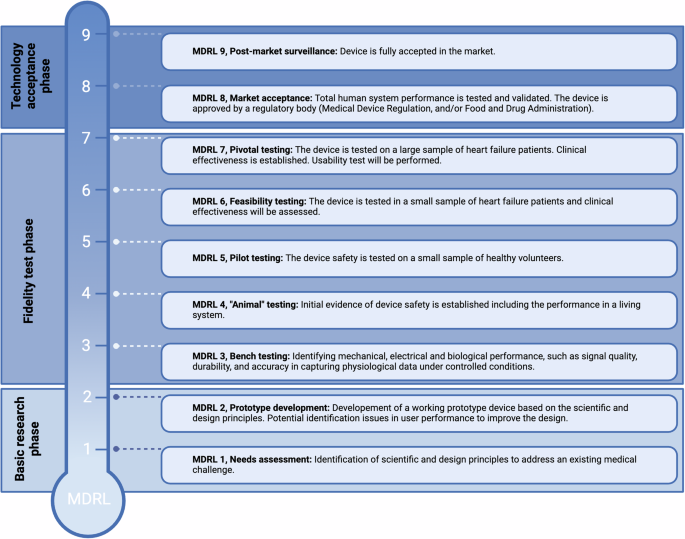
Wearable technologies are emerging as a beacon of hope for heart failure (HF) management, promising a future where patient care is not just reactive but proactive. As reported in a recent Nature article, these devices are poised to transform how we monitor and manage HF patients.
In a landmark event in April 2024, the State and Local Electric Vehicle Workforce Collaborative convened in Washington, D.C., highlighting the transformative potential of federal investments in electric vehicle infrastructure, particularly in underserved communities.
Risk managers are increasingly using parametric insurance to strengthen traditional programs and to better match capital to risk from natural disasters.
This "green revolution" is marked by the integration of green data fields in the Multiple Listing Service (MLS), which now features prominently in 40% of listings. This shift enhances awareness among potential buyers about eco-friendly home features, promoting healthier living environments.
In the ever-evolving landscape of healthcare, Artificial Intelligence (AI) is emerging as more than just a tool—it's a transformative force reshaping the industry. Visionaries like Vinod Khosla have long predicted AI's potential to revolutionize healthcare, and that potential is now being realized.

 AI Tools Delivering Value Today
The impact of AI is evident across various facets of healthcare:
AI Tools Delivering Value Today
The impact of AI is evident across various facets of healthcare: