AI in Healthcare: Transforming the Industry Today and Tomorrow
In a world where technology is rapidly evolving, artificial intelligence (AI) is proving to be a game-changer in the healthcare sector. Once considered experimental, AI-powered tools are now making significant strides in improving patient outcomes, enhancing operational efficiency, and reducing costs. These advancements are not just theoretical; they are reshaping the very fabric of healthcare delivery.
AI Tools Delivering Value Today
The impact of AI is evident across various facets of healthcare:
Drug Discovery: AI is accelerating drug development. Companies like Insilico Medicine use AI to identify promising drug candidates much faster than traditional methods.
Personalized Medicine:AI-driven algorithms analyze patient data to craft personalized treatment plans. Tempus Labs leverages AI to provide tailored cancer treatments by analyzing genomic data.
Remote Patient Monitoring:AI-enabled devices enhance chronic condition management. Livongo Health uses AI to monitor glucose levels and offer personalized coaching for diabetes management.
Predictive Analytics: Health systems like Kaiser Permanente and Mayo Clinic employ AI-powered analytics to identify high-risk patients and prevent hospital readmissions.
Administrative Efficiency: AI streamlines administrative tasks. Platforms like Cedar automate patient billing, while AI-powered chatbots improve patient engagement and communication.
Future AI Innovations in Healthcare
Looking to the future, AI’s potential in healthcare is vast. We can expect significant advancements in several areas over the next few years:
Predictive Healthcare: Advanced AI models will enable predictive healthcare, potentially predicting events like heart attacks days before they occur.
Natural Language Processing for Clinical Documentation: AI will automate the transcription and summarization of medical records, unlocking insights from unstructured patient data.
AI-Driven Telehealth: Integrating AI-powered diagnostic tools will enhance telehealth platforms, allowing for remote monitoring and early interventions.
AI-Assisted Robotic Surgery: The integration of AI in robotic surgery will provide surgeons with real-time data analysis, optimizing surgical techniques and reducing recovery times.
Precision Medicine and Gene Editing:AI-assisted technologies like CRISPR will enable targeted treatments for genetic diseases.
Challenges and Barriers
Despite the promise of AI, several challenges must be addressed:
Data Privacy and Security: Balancing privacy with utility is critical as AI systems require vast amounts of sensitive health data.
Integration with Legacy Systems: Many healthcare providers operate on outdated infrastructure, complicating AI integration.
Regulatory Approval: Regulatory bodies are still developing frameworks for AI in healthcare, which may slow adoption.
Ethical Considerations: The “black box” nature of AI decision-making raises ethical concerns, especially in critical patient care decisions.
Trust and Adoption: Building trust in AI-driven decisions is essential for widespread adoption by healthcare providers and patients.
Action Steps for Embracing AI in Healthcare
To harness the benefits of AI, individuals and organizations should take proactive steps:
Healthcare Organizations: Start small with high-impact areas, invest in data infrastructure, and develop an AI roadmap.
Healthcare Professionals: Embrace continuous learning, participate in AI pilot projects, and focus on AI-human collaboration.
Patients: Stay informed about AI tools, ask questions about AI-driven care, and responsibly share data to improve AI healthcare tools.
AI tools are already delivering significant value in healthcare, and those who embrace this change today will be better positioned to capture the long-term benefits of a more effective, efficient, and personalized healthcare system. For a deeper dive into these advancements, explore the original article on Forbes.
More Articles
Getting licensed or staying ahead in your career can be a journey—but it doesn’t have to be overwhelming. Grab your favorite coffee or tea, take a moment to relax, and browse through our articles. Whether you’re just starting out or renewing your expertise, we’ve got tips, insights, and advice to keep you moving forward. Here’s to your success—one sip and one step at a time!
Local elections across major U.S. cities have kicked off a wave of policy changes that could reshape development costs, rental income, and investment strategies heading into 2026. From NYC’s aggressive tenant‑protection agenda to Chicago’s sustainability push, Miami’s political uncertainty, and Boston’s steady zoning overhaul, the post‑election environment is redefining how real estate professionals, investors, and lenders should prepare for the year ahead.
Insurance carriers are rapidly rolling out AI-related exclusions that strip coverage from claims involving AI tools, automated decision‑making, or generative platforms like ChatGPT and Midjourney. With firms like Berkley and Hamilton introducing sweeping “absolute” and generative‑AI‑specific exclusions, professionals in real estate, mortgage, insurance, and finance now face new liability gaps. As AI becomes unavoidable in everyday work, understanding these exclusions is essential for protecting your career and staying compliant in a fast‑changing risk environment.
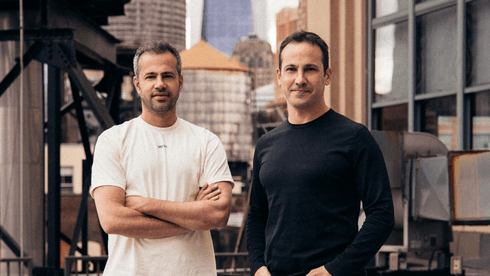
Proptech startup Venn has raised a $52 million Series B to unify the entire renting lifecycle into one intelligent platform, replacing over a dozen traditional systems and serving more than half a million tenants. As AI‑powered tools like Venn rapidly reshape property operations, real estate professionals — especially in fast‑moving markets like Florida — will need stronger education and tech‑savvy skills to stay competitive.
Florida’s Gulf Coast is undergoing a dramatic transformation as soaring insurance premiums, costly construction requirements, and the long shadow of Hurricane Ian force middle‑class families, workers, and longtime residents out of communities they once anchored. With premiums topping $5,700 a year — and many paying far more — Realtors warn of looming foreclosures, renters face steep increases, and entire neighborhoods are being rebuilt for wealthier newcomers. This mounting crisis is reshaping the state’s real estate landscape and leaving professionals scrambling to adapt.
Economic uncertainty, rapid tech advances and shifting population patterns are setting the stage for a pivotal year in commercial real estate. New findings from the Counselors of Real Estate, presented at NAR NXT, outline ten major forces reshaping strategy, investment and opportunity in 2026—from policy impacts and portfolio risk to AI adoption, capital flow changes, housing attainability and demographic shifts. This outlook offers clarity and caution for professionals across real estate, mortgage, finance and related fields.
Florida’s home insurance crisis is back in the spotlight as new reforms appear to be repeating decades‑old mistakes. Despite efforts to depopulate Citizens and attract private insurers, many of the companies taking over policies have ties to past insolvencies. Critics say weak oversight, generous ratings, and political influence are allowing unstable insurers to thrive while homeowners pay more for less protection. Experts warn that without transparent ratings, real accountability, and unified regulation, Florida’s insurance market will remain vulnerable—putting property values, lending, and the broader real estate industry at risk.

 AI Tools Delivering Value Today
The impact of AI is evident across various facets of healthcare:
AI Tools Delivering Value Today
The impact of AI is evident across various facets of healthcare: