AI in Precision Medicine: Navigating Challenges and Embracing Opportunities
In the rapidly evolving landscape of healthcare,
Artificial Intelligence (AI) is emerging as a pivotal force in
precision medicine, promising to enhance diagnostic accuracy and treatment outcomes. However, as highlighted in a recent
review article published in the
Journal of Translational Medicine on April 30, 2024, the journey toward fully integrating AI into healthcare systems is fraught with challenges.

The Promise of AI in Healthcare
AI’s potential to revolutionize healthcare lies in its ability to process vast amounts of data, uncover hidden patterns, and support clinical decision-making. It is particularly promising in the realms of drug development and clinical practice, where it can streamline processes, reduce costs, and improve patient experiences. The article underscores AI’s role in making healthcare more sustainable by enhancing efficiency and reducing diagnostic errors.
Challenges and Limitations
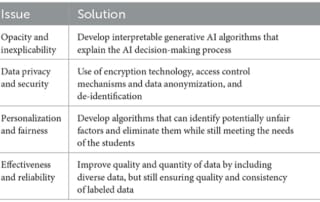
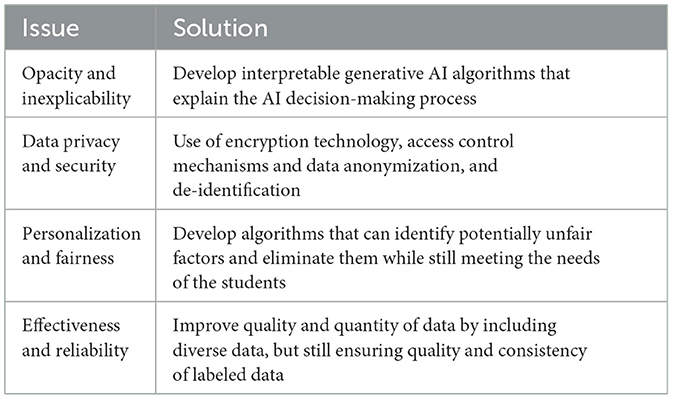
Despite its promise, the application of AI in precision medicine is not without hurdles. Key concerns include data quality, biases in AI algorithms, and issues related to data privacy and security. The article emphasizes the need for high-quality, well-annotated datasets and robust privacy safeguards to ensure the ethical and effective deployment of AI technologies.
Unlocking AI’s Full Potential
To truly harness AI’s capabilities, the healthcare industry must address these challenges head-on. This involves implementing strategies to mitigate biases, ensuring data integrity, and fostering interdisciplinary collaborations. The authors,
Claudio Carini and
Attila A. Seyhan, affiliated with institutions like King’s College London and Brown University, advocate for a concerted effort to integrate AI into healthcare systems while maintaining a focus on equity and ethics.
Looking Ahead
As AI continues to advance, its integration into precision medicine offers the potential to transform healthcare delivery. By addressing existing challenges and leveraging AI’s strengths, the industry can move closer to realizing a future where healthcare is more personalized, efficient, and accessible.
For more insights into the fundamentals of open access and open research, visit
Springer Nature. Metrics and additional details about the article can be found on the
journal’s website.
Author Information
Claudio Carini is affiliated with the School of Cancer and Pharmaceutical Sciences at King’s College London and the Biomarkers Consortium at the Foundation of the National Institute of Health.
Attila A. Seyhan is based at Brown University, involved with various departments including the Laboratory of Translational Oncology and Experimental Cancer Therapeutics.
Contact
For correspondence, reach out to Claudio Carini at
[email protected] or Attila A. Seyhan at
[email protected].