AI in Precision Medicine: Navigating Challenges and Embracing Opportunities


In the rapidly evolving landscape of healthcare, Artificial Intelligence (AI) is emerging as a pivotal force in precision medicine, promising to enhance diagnostic accuracy and treatment outcomes. However, as highlighted in a recent review article published in the Journal of Translational Medicine on April 30, 2024, the journey toward fully integrating AI into healthcare systems is fraught with challenges.
Ai in precision medicine

The Promise of AI in Healthcare


AI’s potential to revolutionize healthcare lies in its ability to process vast amounts of data, uncover hidden patterns, and support clinical decision-making. It is particularly promising in the realms of drug development and clinical practice, where it can streamline processes, reduce costs, and improve patient experiences. The article underscores AI’s role in making healthcare more sustainable by enhancing efficiency and reducing diagnostic errors.

Challenges and Limitations


Despite its promise, the application of AI in precision medicine is not without hurdles. Key concerns include data quality, biases in AI algorithms, and issues related to data privacy and security. The article emphasizes the need for high-quality, well-annotated datasets and robust privacy safeguards to ensure the ethical and effective deployment of AI technologies.

Unlocking AI’s Full Potential


To truly harness AI’s capabilities, the healthcare industry must address these challenges head-on. This involves implementing strategies to mitigate biases, ensuring data integrity, and fostering interdisciplinary collaborations. The authors, Claudio Carini and Attila A. Seyhan, affiliated with institutions like King’s College London and Brown University, advocate for a concerted effort to integrate AI into healthcare systems while maintaining a focus on equity and ethics.

Looking Ahead


As AI continues to advance, its integration into precision medicine offers the potential to transform healthcare delivery. By addressing existing challenges and leveraging AI’s strengths, the industry can move closer to realizing a future where healthcare is more personalized, efficient, and accessible.
For more insights into the fundamentals of open access and open research, visit Springer Nature. Metrics and additional details about the article can be found on the journal’s website.

Author Information


Claudio Carini is affiliated with the School of Cancer and Pharmaceutical Sciences at King’s College London and the Biomarkers Consortium at the Foundation of the National Institute of Health. Attila A. Seyhan is based at Brown University, involved with various departments including the Laboratory of Translational Oncology and Experimental Cancer Therapeutics.

Contact


For correspondence, reach out to Claudio Carini at [email protected] or Attila A. Seyhan at [email protected].

More Articles

Getting licensed or staying ahead in your career can be a journey—but it doesn’t have to be overwhelming. Grab your favorite coffee or tea, take a moment to relax, and browse through our articles. Whether you’re just starting out or renewing your expertise, we’ve got tips, insights, and advice to keep you moving forward. Here’s to your success—one sip and one step at a time!

Malware Trends 2025: The New Era of Subscription‑Based Cybercrime

Cybercrime in 2025 has evolved into a full‑scale service economy, with malware now available through subscription platforms that operate like mainstream tech businesses. Bitsight’s latest analysis reveals explosive growth in Malware‑as‑a‑Service tools, rising attacks across industries like healthcare, finance, tech, and real estate, and a surge in cross‑platform malware and supply‑chain exploits. For professionals in any licensed field, the message is clear: today’s digital landscape demands heightened vigilance, stronger identity security, and proactive defense against an increasingly organized underground threat environment.

The Proptech Revolution: How Gllit Is Making Real Estate Transactions as Simple as Booking a Flight

A new proptech startup in the UAE, Gllit is redefining how property deals happen by removing agents, eliminating commissions, and integrating AI tools that let users create professional listings in seconds. With a fast, transparent, and direct-to-owner model, Gllit offers a glimpse into the future of global real estate — and a powerful case study for U.S. professionals preparing for tech-driven changes in the industry.

2026 Housing Market Outlook: What Buyers, Renters, and Agents Need to Know

The 2026 housing market is shaping up to be a year of stability with a few surprises. Mortgage rates are expected to hold steady, home price growth is slowing, and yet ownership costs continue to rise due to soaring taxes and insurance. Meanwhile, renting is becoming more attractive as affordability improves and built‑to‑rent communities expand. This breakdown highlights the biggest trends ahead — and what they mean for buyers, sellers, and real estate professionals, especially in Florida.

Florida Homeowners Slammed by Soaring Insurance Costs as Lawmakers Push for Major Reform

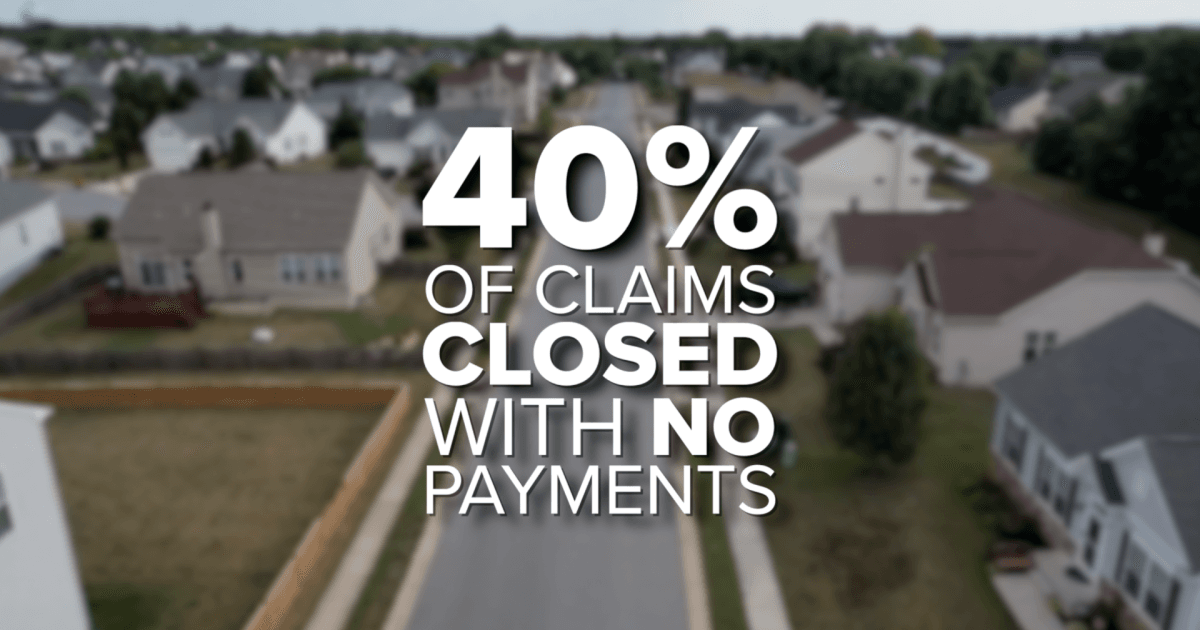
Florida homeowners are facing some of the highest insurance premiums in the nation, with average costs now topping $5,800 per year—about $3,000 above the U.S. average. Many residents report their rates have doubled or even tripled, while more than 40 percent of claims are closed with no payment. As frustration grows, state lawmakers and consumer advocates are pushing for transparency, rate caps, and incentives to help storm‑proof homes. The outcome of these reform efforts could reshape Florida’s real estate market, insurance landscape, and affordability for years to come.

Are Insurance Leaders Stuck in Silos? New Global Study Exposes a Hidden Weakness in Decision‑Making

A new global study from Risk.net and SAS reveals that many insurance companies are still making key decisions in isolated silos, despite industry-wide pushes toward data-driven strategies. While most leaders claim to have a clear vision, 38 percent admit they lack a real-time view of risks, revenue and costs. With poor data quality, limited collaboration and outdated processes holding teams back, experts say the industry is poised for a major transformation through AI, analytics and unified strategy—offering lessons for professionals across insurance, real estate, finance and other regulated fields.

Atlanta Housing Market Outlook 2025–2026: Stability, Rising Inventory, and What It Means for You

Atlanta’s housing market is shifting into a more balanced and predictable phase. Prices have leveled off, inventory has finally caught up, and mortgage rates are easing enough to bring buyers back into the game. With steady demand, growing listings, and only mild price corrections forecasted into 2026, Atlanta remains one of the Southeast’s strongest real estate markets for buyers, sellers, and investors alike.