AI in Radiology: A Double-Edged Sword


The rapid advancements in artificial intelligence (AI) are transforming the landscape of radiology, promising to enhance diagnostic accuracy and support personalized medicine. However, as this technology becomes more integral to medical imaging, it brings with it a host of ethical and societal considerations that cannot be ignored.

The Promise of AI


AI technologies, particularly those employing machine learning (ML) and deep learning (DL), are being hailed for their potential to improve predictive analytics and diagnostic performance. Studies, such as those by McKinney et al., have demonstrated AI’s ability to outperform human experts in tasks like breast cancer screening. This has sparked excitement about AI’s role in advancing healthcare and promoting health equity.

Challenges and Ethical Concerns


Despite the hype, the implementation of AI in healthcare lags behind its technological development. As noted in the article, “The state of AI hype has far exceeded the state of AI science.” This gap highlights several ethical concerns, including transparency, accountability, and potential biases in AI systems. The “black box” nature of many AI algorithms raises questions about their decision-making processes and the implications for patient care.

Bias and Responsibility


A major concern is the potential for AI systems to perpetuate or even amplify existing biases in healthcare. The article references works such as those by Mittelstadt and Floridi, which discuss the ethical foresight needed to address these issues. Ensuring that AI tools are developed and deployed with fairness and justice in mind is crucial to avoid exacerbating healthcare disparities.

Guidelines for Ethical AI


To navigate these challenges, robust ethical guidelines are essential. Initiatives like FUTURE-AI, as discussed by Lekadir et al., aim to align technological advances with ethical standards. These guidelines emphasize principles such as explainability, trustworthiness, and accountability, ensuring that AI systems serve the common good.

Looking Forward


As AI continues to evolve, its integration into radiology and healthcare must be guided by interdisciplinary research and a deep understanding of its societal implications. The article underscores the need for a shift from focusing solely on technological advancements to considering the broader context in which AI operates.
In conclusion, while AI holds great promise for the future of radiology, it is imperative that its development and deployment are approached with caution and a commitment to ethical integrity. By doing so, we can harness the power of AI to create more equitable and effective healthcare systems.


More Articles

Getting licensed or staying ahead in your career can be a journey—but it doesn’t have to be overwhelming. Grab your favorite coffee or tea, take a moment to relax, and browse through our articles. Whether you’re just starting out or renewing your expertise, we’ve got tips, insights, and advice to keep you moving forward. Here’s to your success—one sip and one step at a time!

Florida Real Estate Pre-License Class Starting April 13, 2026 – Only 9 Seats Left | Cameron Academy Orlando

Cameron Academy's state-approved 63-hour Florida Real Estate Sales Associate Pre-License Course begins April 13, 2026 at the Dr. Phillips campus in Orlando. Attend in person or join live via Zoom. Morning schedule, expert instruction, and only 14 seats remaining. Enroll now before this class fills up.

How to Pass the Florida Real Estate Exam on Your First Try (From People Who Did It – With Videos)

The Florida real estate licensing exam is the single biggest gatekeeper between you and a career in one of the nation's most active real estate markets. And the numbers don't sugarcoat it: roughly half of all first-time test-takers in Florida walk out without a passing score. According to data compiled by Colibri Real Estate, Florida's first-time pass rate sits at approximately 51%, with about 41,900 candidates taking the exam each year.

By |March 20, 2026|Categories: Article, Cameron Academy Post|0 Comments

Part-Time vs. Full-Time: Can You Get Your Real Estate License While Working a 9-to-5?

Part-Time vs. Full-Time: Can You Get Your Real Estate License While Working a 9‑to‑5? The honest, data-backed guide to earning your license around a day #ReadMore

By |March 19, 2026|Categories: Article, Cameron Academy Post|0 Comments

Realtor Advocacy Secures Major Wins in Florida’s 2026 Legislative Session

Florida’s 2026 legislative session brought significant victories for real estate professionals, with Realtor advocacy preserving key regulatory structures, strengthening property rights, improving major housing programs, and protecting agents from new liabilities. From blocking the dismantling of the Florida Real Estate Commission to advancing bills that support safer, more transparent transactions, these wins shape a more stable future for Florida agents, brokers, and consumers.

AI Listing Photos Are Becoming Too Real — And Too Misleading

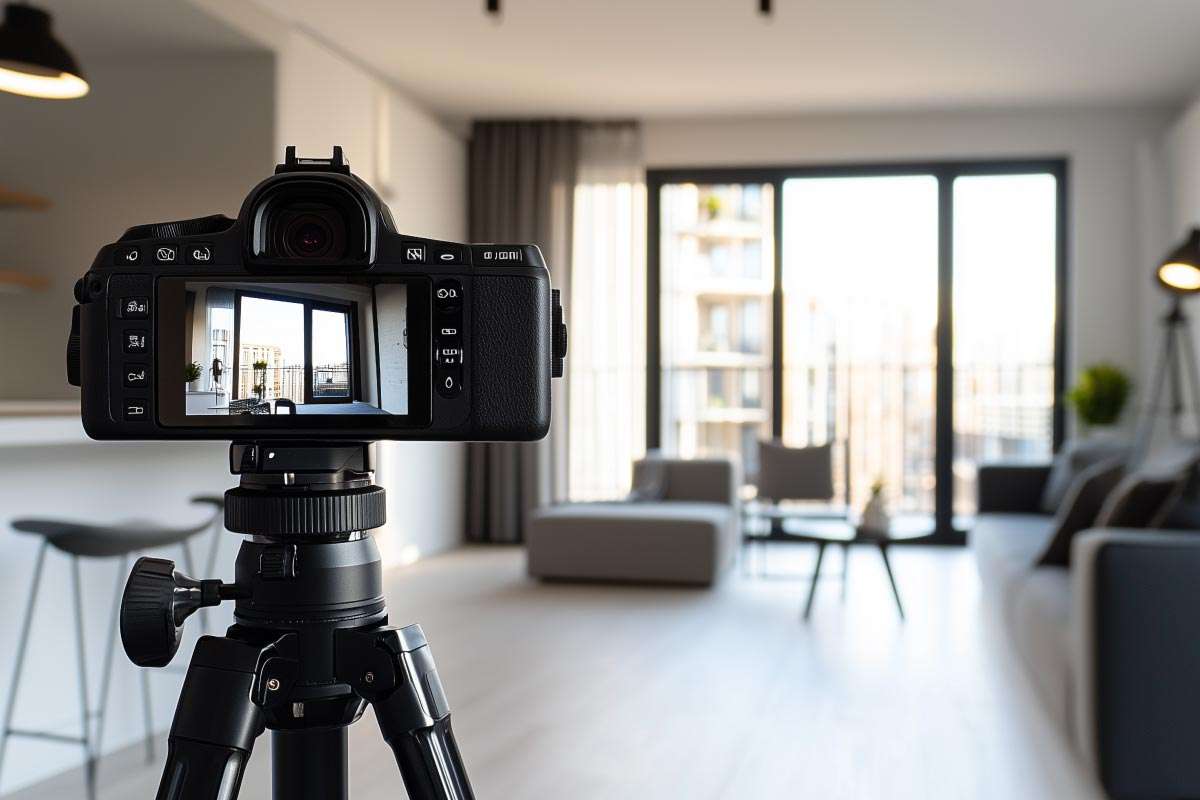
AI‑enhanced listing images are transforming real estate marketing, but they’re also creating a growing trust problem. Tools that once simply brightened rooms can now erase damage, add furniture, or even generate entirely new scenes, fueling a trend known as “housefishing.” As complaints rise and states like California introduce disclosure laws, the industry is being forced to confront a new reality: the more perfect the photos get, the more renters and buyers crave authenticity.

Hurricane Milton Supplemental Claim Deadline Approaches for Florida Homeowners

Florida homeowners hit by Hurricane Milton face an important April 9 deadline to file or reopen supplemental insurance claims. With more than 385,000 claims and over 5.6 billion dollars in losses already reported, experts warn that waiting until construction is completed could leave families without the additional funds they’re owed. An 18‑month window applies to supplemental claims, and missing it could cause insurance companies to deny further reimbursement.