“`html
AI in Radiology: Balancing Innovation with Concerns
A recent analysis has shed light on the public’s perception of
artificial intelligence (AI) in radiology. While the majority of patients are supportive of AI’s integration into this field, concerns about
data privacy and
job displacement remain prevalent. The study, led by Mansour Almanaa, PhD, from King Saud University in Saudi Arabia, provides a nuanced view of the current discourse surrounding
AI in healthcare.
Understanding Public Sentiment
Almanaa’s research involved a comprehensive analysis of over 1,000 social media posts on platforms like Reddit and X (formerly Twitter) spanning from 2019 to 2024. The findings, published in the journal
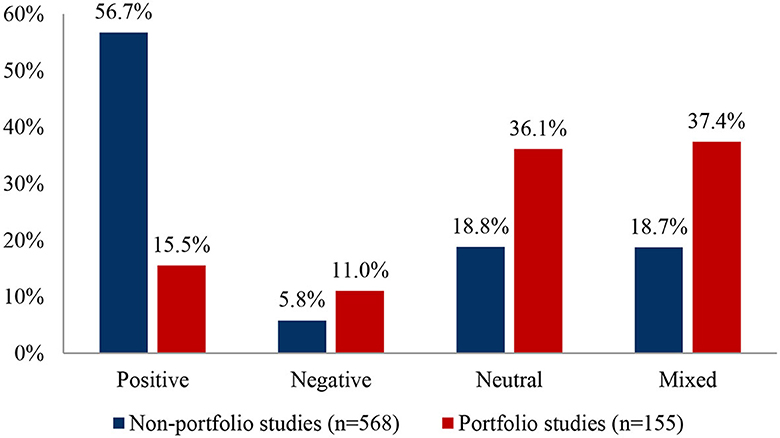
Cureus on September 23, revealed that approximately 55% of comments were positive, highlighting AI’s potential to
enhance diagnostic accuracy and
efficiency. However, 35% of the comments were neutral, and 10% expressed negative sentiments, primarily focused on
job loss,
ethics, and
privacy concerns.
Expert Insights
Mansour Almanaa emphasized the necessity of addressing these concerns to ensure AI’s responsible application in medical imaging. He advocates for the development of clear regulatory frameworks and ethical guidelines to safeguard patient safety and
data security. Furthermore, Almanaa underscores the importance of continuous education for healthcare professionals to adapt to AI’s evolving role in medicine.
Methodology and Challenges
The study meticulously filtered through nearly 4,000 posts using 20 different search phrases such as “radiology,” “computed tomography,” “AI,” and “medical imaging.” The sentiment analysis was conducted using Python’s VADER tool, focusing on
ethical and
privacy issues associated with AI. The study identified challenges including the transparency of AI processes and accountability for AI-generated errors.
The Dual Nature of AI’s Impact
Despite the concerns, there is recognition of AI’s potential to complement the work of radiologists rather than replace them. AI’s ability to automate routine tasks and improve workflow efficiency could allow radiologists to focus on more complex cases, potentially reducing their overall workload.
Conclusion
Almanaa’s study highlights a general acceptance of AI’s benefits in medical imaging but stresses the need to address ethical, privacy, and job displacement concerns. Future research should focus on creating robust ethical standards and regulatory practices, while also supporting continuous education for healthcare professionals to effectively integrate AI into medical practice.
For further details, the original article can be accessed
here.
“`