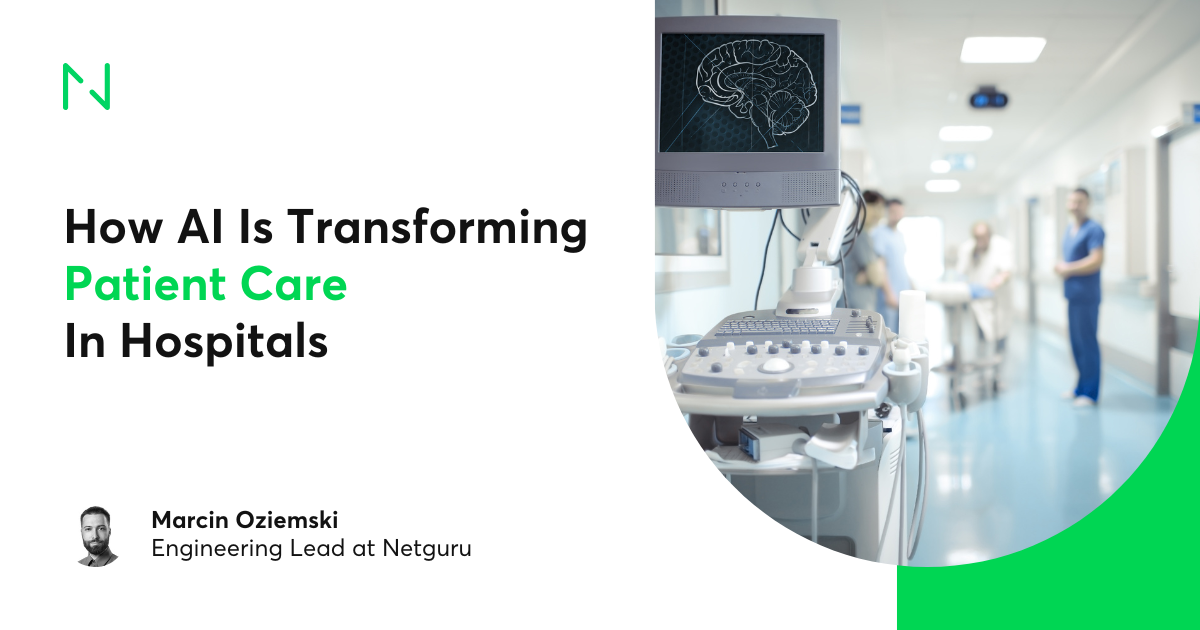
“`html

AI in Radiology: Balancing Innovation with Concerns

A recent analysis has shed light on the public’s perception of artificial intelligence (AI) in radiology. While the majority of patients are supportive of AI’s integration into this field, concerns about data privacy and job displacement remain prevalent. The study, led by Mansour Almanaa, PhD, from King Saud University in Saudi Arabia, provides a nuanced view of the current discourse surrounding AI in healthcare.

Understanding Public Sentiment

Almanaa’s research involved a comprehensive analysis of over 1,000 social media posts on platforms like Reddit and X (formerly Twitter) spanning from 2019 to 2024. The findings, published in the journal Cureus on September 23, revealed that approximately 55% of comments were positive, highlighting AI’s potential to enhance diagnostic accuracy and efficiency. However, 35% of the comments were neutral, and 10% expressed negative sentiments, primarily focused on job loss, ethics, and privacy concerns.

Expert Insights

Mansour Almanaa emphasized the necessity of addressing these concerns to ensure AI’s responsible application in medical imaging. He advocates for the development of clear regulatory frameworks and ethical guidelines to safeguard patient safety and data security. Furthermore, Almanaa underscores the importance of continuous education for healthcare professionals to adapt to AI’s evolving role in medicine.

Methodology and Challenges

The study meticulously filtered through nearly 4,000 posts using 20 different search phrases such as “radiology,” “computed tomography,” “AI,” and “medical imaging.” The sentiment analysis was conducted using Python’s VADER tool, focusing on ethical and privacy issues associated with AI. The study identified challenges including the transparency of AI processes and accountability for AI-generated errors.

The Dual Nature of AI’s Impact

Despite the concerns, there is recognition of AI’s potential to complement the work of radiologists rather than replace them. AI’s ability to automate routine tasks and improve workflow efficiency could allow radiologists to focus on more complex cases, potentially reducing their overall workload.

Conclusion

Almanaa’s study highlights a general acceptance of AI’s benefits in medical imaging but stresses the need to address ethical, privacy, and job displacement concerns. Future research should focus on creating robust ethical standards and regulatory practices, while also supporting continuous education for healthcare professionals to effectively integrate AI into medical practice.

For further details, the original article can be accessed here. “`

More Articles

Getting licensed or staying ahead in your career can be a journey—but it doesn’t have to be overwhelming. Grab your favorite coffee or tea, take a moment to relax, and browse through our articles. Whether you’re just starting out or renewing your expertise, we’ve got tips, insights, and advice to keep you moving forward. Here’s to your success—one sip and one step at a time!

Bridging the Mental Health Care Gap in Rural America with Telehealth

Across the vast landscapes of rural America, a silent crisis brews—one that affects the mental well-being of millions. The shortage of mental health care providers, coupled with geographic isolation, has created a significant gap in mental health services. However, a glimmer of hope emerges through telehealth technology, promising to bridge this divide.

By |November 8, 2024|Categories: Article, Mental Health, Rural Health|Tags: , |0 Comments

Revolutionizing Healthcare: The Role of AI at Dartmouth’s CPHAI

Artificial Intelligence (AI) is on the brink of revolutionizing the healthcare industry, promising to enhance patient care by making it more predictive, preventive, and personalized. Spearheading this transformation is Saeed Hassanpour, PhD, director of the Dartmouth Center for Precision Health and Artificial Intelligence (CPHAI). According to Hassanpour, AI's integration into healthcare will increase efficiency, accessibility, and diagnostic accuracy, fundamentally reshaping the landscape.

Real Estate Market: A Decade of Transformation Awaits

The housing market has been a rollercoaster of skyrocketing prices in recent years, leaving many potential homebuyers feeling overwhelmed. This surge in prices stems from the pandemic-driven migration to suburban areas and historically low interest rates.

AI in Healthcare: Revolutionizing Patient Care and Hospital Efficiency

AI is reshaping patient experience by making healthcare more accessible, efficient, and personalized. Through AI-assisted scheduling, virtual health assistants, and remote monitoring, patients receive care that is tailored to their specific needs, significantly reducing wait times and enhancing overall satisfaction.

By |November 8, 2024|Categories: Article, Healthcare, Technology|Tags: , |0 Comments

Healthcare AI: The Dawn of a New Era

The healthcare industry stands on the precipice of a transformative era, driven by the integration of artificial intelligence (AI) into its core operations.

Visual Technologies: Revolutionizing Healthcare

The integration of visual technologies into healthcare heralds a new era of personalized medicine. These innovations offer unprecedented opportunities for investment and improvement in global health outcomes.

By |November 7, 2024|Categories: Article, Healthcare, Visual Technologies|Tags: , |0 Comments