In the ever-evolving world of real estate, artificial intelligence (AI) is not just a tool; it’s a revolution. As the digital frontier expands, AI is fundamentally transforming how properties are acquired, sold, and managed. This shift is not merely theoretical; it’s a practical upheaval that is reshaping the landscape of real estate with unprecedented precision and efficiency.

Predictive Analytics and Virtual Tours
AI’s influence extends into predictive analytics, which offers investors a crystal ball into future market trends. By analyzing extensive datasets, AI can forecast market shifts, providing investors with insights that were once the realm of speculation. Virtual tours, powered by AI, are another groundbreaking development, allowing potential buyers to navigate properties from the comfort of their homes, revolutionizing the way we perceive property visits.

Efficiency in Property Management
The integration of AI in property management is streamlining operations, reducing manual processes, and enhancing efficiency. According to Buildium, 48% of property managers are planning to leverage technology to boost their revenue. AI-driven systems are central to this transformation, ensuring that property management is not only efficient but also error-free.

Investment Decisions and Market Growth
AI is also influencing investment decisions by providing precise property valuations. Deloitte’s research highlights that 52% of corporate real estate developers believe AI can ensure accurate property valuation. The global proptech market, as projected, is set to reach $94.2 billion by 2030, with a compound annual growth rate of 15.8% from 2022 to 2030, underscoring the growing reliance on technology in real estate.

AI in Real Estate Marketing
Marketing in real estate has been transformed by AI-driven strategies. With real-time insights into target audiences, AI tailors marketing efforts, ensuring that the right message reaches the right people at the right time. Companies like Mountain View have harnessed AI to reduce campaign deployment time significantly, illustrating the efficiency gains possible with AI integration.

Sustainability and Energy Efficiency
The environmental impact of real estate is significant, with the sector responsible for a substantial portion of global CO2 emissions. AI offers solutions for sustainability, from smart energy management to decarbonization strategies. Proptech innovations are paving the way for smarter buildings and community-wide energy-sharing solutions, as evidenced by projects like Salzburg AG’s partnership with Netguru.

This transformation is not just about technology; it’s about redefining the real estate industry. As AI continues to evolve, its role in real estate will only grow, offering new efficiencies and possibilities in property management, valuation, marketing, and enhancing client experiences. For a deeper dive into this topic, the original article from Netguru provides a comprehensive exploration of AI’s impact on the real estate landscape.

Keller williams mobile mockups Ar real estate example Salzburg ag energy sharing

More Articles

Getting licensed or staying ahead in your career can be a journey—but it doesn’t have to be overwhelming. Grab your favorite coffee or tea, take a moment to relax, and browse through our articles. Whether you’re just starting out or renewing your expertise, we’ve got tips, insights, and advice to keep you moving forward. Here’s to your success—one sip and one step at a time!

2025 Commercial Real Estate Outlook: Navigating a New Era

The commercial real estate landscape is on the brink of transformation as leaders seek to navigate the challenges of recent years and position their organizations for future opportunities.

The Emerging Mental Health Crisis Among Healthcare Workers During the COVID-19 Pandemic

The pandemic has ushered in a wave of mental health challenges that affect healthcare workers profoundly. From the onset of COVID-19, these professionals have been at the forefront, facing immense pressure, long hours, and the constant fear of exposure.

By |December 18, 2024|Categories: Article, Healthcare Workers, Mental Health|Tags: , |0 Comments

Ethical Concerns of Large Language Models in Healthcare

Exploring the dual nature of LLMs offers substantial benefits in healthcare but also raises significant ethical concerns, underscoring the need for well-defined guidelines and human oversight.

The Role of Wearable Devices in Chronic Disease Monitoring and Patient Care: A Comprehensive Review

Wearable devices have become integral in managing chronic conditions by providing continuous health data, empowering patients and healthcare professionals with insights that were previously unattainable.

AI Training Mandates: Navigating Legal Waters in Dentistry

The integration of artificial intelligence (AI) into dental practices is more than a technological trend; it represents a seismic shift in the industry. This transformation is reshaping skill sets and prompting a thorough examination of legal and ethical implications.

By |December 17, 2024|Categories: Article, Legal, Technology|Tags: , |0 Comments

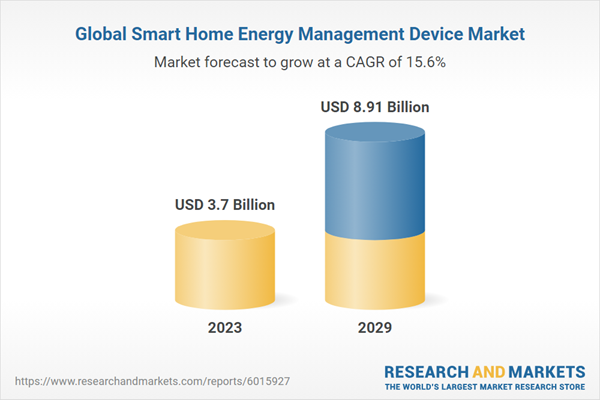
Smart Home Energy Management Devices: A Market Poised for Growth

The Global Smart Home Energy Management Device Market is on the brink of a significant transformation, driven by escalating demands for energy-efficient solutions and the increasing adoption of smart home technologies.