AI in Real Estate: The Market Shift You Can’t Afford to Ignore
Artificial intelligence isn’t knocking on the real estate industry’s door—it’s already inside, rearranging the furniture, optimizing the lighting, and whispering market forecasts into the ears of the professionals who are listening.
According to recent studies, AI in real estate is skyrocketing from $222B in 2024 to nearly $1T by 2029. This isn’t gradual growth—it’s a wave that will reward those who embrace it and overwhelm those who hesitate. From automated valuations to intelligent property search, predictive analytics, and virtual tours, AI is transforming how deals are discovered, negotiated, and closed.
The Shift: Real Estate’s New AI-Powered Reality
AI empowers agents, investors, and property managers with data-driven clarity. Tasks that once consumed hours—drafting listings, analyzing comps, screening tenants, reviewing documents—can now be completed in seconds. This frees professionals to focus on what machines can’t replicate: strategy, relationships, and trust.
Try This Thought Experiment
Imagine a typical transaction day where:
All leads are pre-qualified before you wake up
Listings write themselves using NLP
Virtual tours generate instantly from your phone’s camera
Your CRM nudges clients at the perfect moment
Property valuations update automatically with market shifts
This isn’t the future—this is happening today.
Where AI Is Hitting the Hardest
These segments of the industry are seeing rapid disruption:
Portfolio Optimization: AI reallocates capital intelligently.
Tenant Experience: Maintenance, renewals, and smart systems now run automatically.
Real estate pros are discovering that AI doesn’t replace agents—it enhances them. The strongest agents are evolving from transaction handlers to AI-assisted advisors.
Real-World Players Leading the Charge
Companies such as Zillow, Redfin, Trulia, Keyway, and Ility are deploying AI at scale. The results? Improved accuracy, smarter occupancy management, reduced costs, and cleaner data ecosystems.
Why Professionals Need AI Literacy—Now
The truth is simple: AI literacy is becoming as essential as market expertise. Agents, brokers, and investors who understand these tools will consistently outperform those who resist them.
This is exactly why education matters—and why modern real estate training must evolve alongside emerging technologies.
At Cameron Academy, we’re closely tracking these seismic changes. As AI reshapes real estate, professionals need education that goes beyond state requirements—training that prepares them for a fast-paced, data-driven future.
If the market is evolving this quickly, shouldn’t your skillset evolve with it?
The Bottom Line
Artificial intelligence is no longer a distant concept—it’s the backbone of next-generation real estate. Search, valuations, screening, maintenance, marketing, negotiations, risk analysis—every component is being digitized and optimized.
And the biggest winners will be the professionals who learn to collaborate with AI, not compete with it.
Getting licensed or staying ahead in your career can be a journey—but it doesn’t have to be overwhelming. Grab your favorite coffee or tea, take a moment to relax, and browse through our articles. Whether you’re just starting out or renewing your expertise, we’ve got tips, insights, and advice to keep you moving forward. Here’s to your success—one sip and one step at a time!
The financial landscape in South Korea is poised for a seismic shift as KBank, a major digital bank, grapples with a legislative curveball. The bank, which is heavily reliant on deposits from Upbit, Korea’s dominant cryptocurrency exchange, is facing a potential profit squeeze. The new Virtual Asset User Protection Act, set to take effect on July 19, 2024, mandates that banks must pay interest on crypto exchange deposits, a move that could severely impact KBank's bottom line.
AI's ability to analyze vast amounts of data is paving the way for a profound change in medical diagnostics. Khosla predicted that AI could take over up to 80% of standard medical tasks, reducing errors and biases in human diagnosis. This is particularly evident in fields like radiology and pathology, where AI's proficiency in analyzing medical imaging allows for the early detection of diseases such as cancer, significantly improving treatment outcomes.
The COVID-19 pandemic has dramatically reshaped the housing market landscape, resulting in an unprecedented surge in home prices throughout the United States.
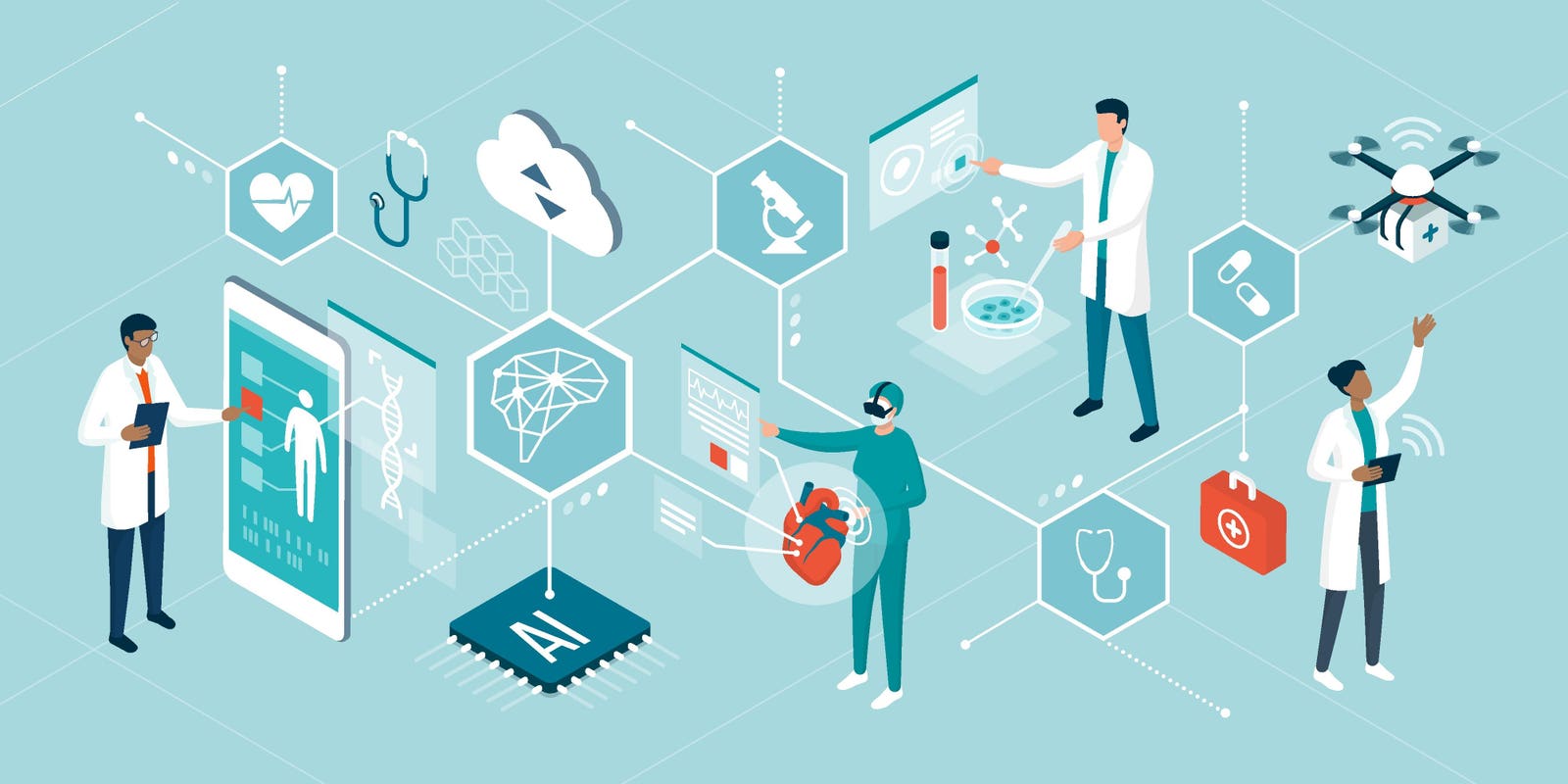
In a world where technology is rapidly evolving, artificial intelligence (AI) is proving to be a game-changer in the healthcare sector. AI-powered tools are improving patient outcomes, enhancing operational efficiency, and reducing costs, reshaping the very fabric of healthcare delivery.
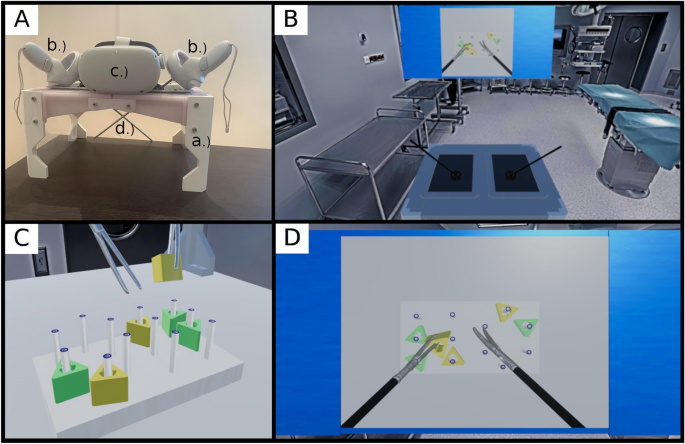
In a groundbreaking study published by Nature, researchers have unveiled a novel approach to surgical training using a low-fidelity virtual reality (VR) simulator enhanced with artificial intelligence (AI) for objective assessment. This pioneering method is poised to transform how medical students acquire laparoscopic skills, offering a cost-effective and efficient alternative to traditional training models.
AI in healthcare is projected to grow into a $188 billion industry worldwide by 2030, promising to revolutionize the field. From drug development to improved diagnostics, AI is already making significant strides, transforming medical practices and enhancing patient care efficiency.