AI in Real Estate: The Market Shift You Can’t Afford to Ignore
Artificial intelligence isn’t knocking on the real estate industry’s door—it’s already inside, rearranging the furniture, optimizing the lighting, and whispering market forecasts into the ears of the professionals who are listening.
According to recent studies, AI in real estate is skyrocketing from $222B in 2024 to nearly $1T by 2029. This isn’t gradual growth—it’s a wave that will reward those who embrace it and overwhelm those who hesitate. From automated valuations to intelligent property search, predictive analytics, and virtual tours, AI is transforming how deals are discovered, negotiated, and closed.
The Shift: Real Estate’s New AI-Powered Reality
AI empowers agents, investors, and property managers with data-driven clarity. Tasks that once consumed hours—drafting listings, analyzing comps, screening tenants, reviewing documents—can now be completed in seconds. This frees professionals to focus on what machines can’t replicate: strategy, relationships, and trust.
Try This Thought Experiment
Imagine a typical transaction day where:
All leads are pre-qualified before you wake up
Listings write themselves using NLP
Virtual tours generate instantly from your phone’s camera
Your CRM nudges clients at the perfect moment
Property valuations update automatically with market shifts
This isn’t the future—this is happening today.
Where AI Is Hitting the Hardest
These segments of the industry are seeing rapid disruption:
Portfolio Optimization: AI reallocates capital intelligently.
Tenant Experience: Maintenance, renewals, and smart systems now run automatically.
Real estate pros are discovering that AI doesn’t replace agents—it enhances them. The strongest agents are evolving from transaction handlers to AI-assisted advisors.
Real-World Players Leading the Charge
Companies such as Zillow, Redfin, Trulia, Keyway, and Ility are deploying AI at scale. The results? Improved accuracy, smarter occupancy management, reduced costs, and cleaner data ecosystems.
Why Professionals Need AI Literacy—Now
The truth is simple: AI literacy is becoming as essential as market expertise. Agents, brokers, and investors who understand these tools will consistently outperform those who resist them.
This is exactly why education matters—and why modern real estate training must evolve alongside emerging technologies.
At Cameron Academy, we’re closely tracking these seismic changes. As AI reshapes real estate, professionals need education that goes beyond state requirements—training that prepares them for a fast-paced, data-driven future.
If the market is evolving this quickly, shouldn’t your skillset evolve with it?
The Bottom Line
Artificial intelligence is no longer a distant concept—it’s the backbone of next-generation real estate. Search, valuations, screening, maintenance, marketing, negotiations, risk analysis—every component is being digitized and optimized.
And the biggest winners will be the professionals who learn to collaborate with AI, not compete with it.
Getting licensed or staying ahead in your career can be a journey—but it doesn’t have to be overwhelming. Grab your favorite coffee or tea, take a moment to relax, and browse through our articles. Whether you’re just starting out or renewing your expertise, we’ve got tips, insights, and advice to keep you moving forward. Here’s to your success—one sip and one step at a time!
DeFi platforms are revolutionizing financial services, affecting everything from asset management to banking and compliance. This transformation is driven by the transparency and efficiency of blockchain technology, which introduces innovations like smart contracts and tokenization.
In a world where digital threats loom large, the banking sector finds itself at a critical juncture. A recent story shared by an acquaintance, Dave, underscores the pervasive risk of cyberattacks that banks face today. Dave, who works in the banking sector, was caught off guard by a phishing attempt that seemed legitimate. Fortunately, it was a security test, but it highlighted a glaring vulnerability.
Nursing vacancies have surged to 17%, more than doubling pre-pandemic levels, prompting hospitals to go beyond mere salary increases and benefits enhancements.
In an era where technology is reshaping every facet of our lives, healthcare stands at the forefront of this digital revolution. As we delve into 2024, the integration of telehealth, AI, and wearable technologies is setting new benchmarks in patient care and accessibility.
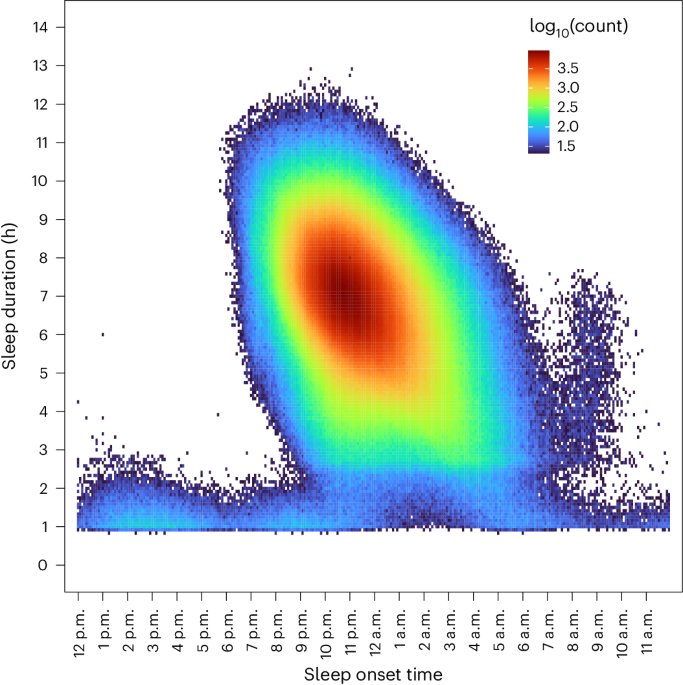
By tracking sleep patterns over extended periods, wearables provide a unique opportunity to observe the long-term effects of sleep on health, offering valuable insights for both public health policies and individual health management.