AI in Real Estate: The Market Shift You Can’t Afford to Ignore
Artificial intelligence isn’t knocking on the real estate industry’s door—it’s already inside, rearranging the furniture, optimizing the lighting, and whispering market forecasts into the ears of the professionals who are listening.
According to recent studies, AI in real estate is skyrocketing from $222B in 2024 to nearly $1T by 2029. This isn’t gradual growth—it’s a wave that will reward those who embrace it and overwhelm those who hesitate. From automated valuations to intelligent property search, predictive analytics, and virtual tours, AI is transforming how deals are discovered, negotiated, and closed.
The Shift: Real Estate’s New AI-Powered Reality
AI empowers agents, investors, and property managers with data-driven clarity. Tasks that once consumed hours—drafting listings, analyzing comps, screening tenants, reviewing documents—can now be completed in seconds. This frees professionals to focus on what machines can’t replicate: strategy, relationships, and trust.
Try This Thought Experiment
Imagine a typical transaction day where:
All leads are pre-qualified before you wake up
Listings write themselves using NLP
Virtual tours generate instantly from your phone’s camera
Your CRM nudges clients at the perfect moment
Property valuations update automatically with market shifts
This isn’t the future—this is happening today.
Where AI Is Hitting the Hardest
These segments of the industry are seeing rapid disruption:
Portfolio Optimization: AI reallocates capital intelligently.
Tenant Experience: Maintenance, renewals, and smart systems now run automatically.
Real estate pros are discovering that AI doesn’t replace agents—it enhances them. The strongest agents are evolving from transaction handlers to AI-assisted advisors.
Real-World Players Leading the Charge
Companies such as Zillow, Redfin, Trulia, Keyway, and Ility are deploying AI at scale. The results? Improved accuracy, smarter occupancy management, reduced costs, and cleaner data ecosystems.
Why Professionals Need AI Literacy—Now
The truth is simple: AI literacy is becoming as essential as market expertise. Agents, brokers, and investors who understand these tools will consistently outperform those who resist them.
This is exactly why education matters—and why modern real estate training must evolve alongside emerging technologies.
At Cameron Academy, we’re closely tracking these seismic changes. As AI reshapes real estate, professionals need education that goes beyond state requirements—training that prepares them for a fast-paced, data-driven future.
If the market is evolving this quickly, shouldn’t your skillset evolve with it?
The Bottom Line
Artificial intelligence is no longer a distant concept—it’s the backbone of next-generation real estate. Search, valuations, screening, maintenance, marketing, negotiations, risk analysis—every component is being digitized and optimized.
And the biggest winners will be the professionals who learn to collaborate with AI, not compete with it.
Getting licensed or staying ahead in your career can be a journey—but it doesn’t have to be overwhelming. Grab your favorite coffee or tea, take a moment to relax, and browse through our articles. Whether you’re just starting out or renewing your expertise, we’ve got tips, insights, and advice to keep you moving forward. Here’s to your success—one sip and one step at a time!
Palm Beach protests erupted as intensified immigration enforcement reached the heart of Trump’s hometown, while millions in Florida brace for rising health care costs as key subsidies near expiration. At the same time, state regulators boldly declare the long‑running property insurance crisis “over,” leaving homeowners and industry professionals questioning whether true stability has finally returned.
As 2025 comes to a close, the real estate industry is shifting from uncertainty to strategic expansion. According to DWS’s Year-End 2025 Outlook, property values are stabilizing after years of repricing, capital is concentrating on high-quality assets, and Sunbelt markets—especially Florida—continue to outperform. With technology enhancing rather than replacing professional expertise, 2026 is shaping up to reward professionals who stay informed, skilled, and strategically positioned for the next cycle.
Texas capital is pouring into San Francisco’s long‑struggling commercial real estate market, with Lone Star investors buying up discounted Union Square buildings and signaling what many experts believe is the city’s market bottom. As office activity and confidence begin to return, buyers from across the country are joining the rush, turning SF’s post‑pandemic slump into one of the nation’s hottest bargain opportunities.
With 2026 HousingWire Tech100 nominations closing on December 19, the housing tech sector is accelerating at full speed. AI‑powered data platforms, digital closing breakthroughs, embedded insurance growth, and next‑generation servicing automation are reshaping real estate, mortgage, insurance, and finance. From ATTOM’s AI‑ready property intelligence to Hapi Homes’ Martha Stewart design revival, Obie’s nationwide expansion, Outamation’s servicing automation, and ServiceLink’s next‑level borrower scheduling, this year’s standout innovators are defining the future of the housing economy.
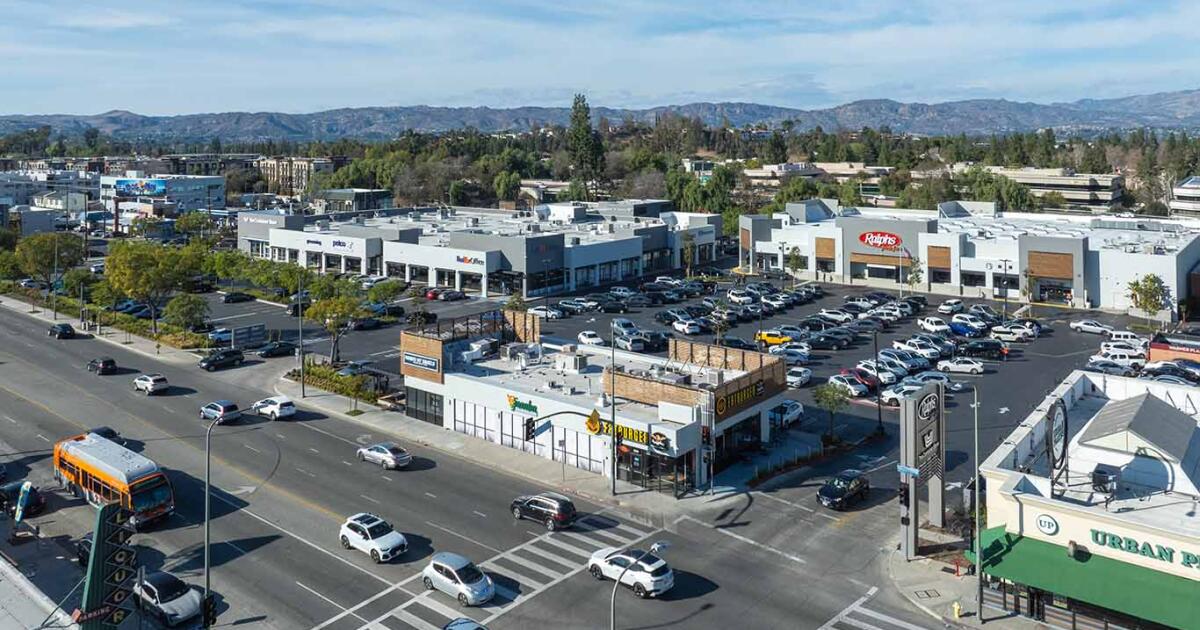
Space Investment Partners has acquired the 123,402‑square‑foot Topanga Gateway retail center in Woodland Hills for $64 million, marking another significant move in the firm’s expanding grocery‑anchored investment strategy. Located at a high‑visibility intersection and 97% occupied at the time of sale, the property strengthens the company’s push toward $500 million to $1 billion in retail acquisitions for 2026, underscoring continued investor confidence in necessity‑based retail assets.
After the Federal Reserve’s final 2025 rate cut on December 10, mortgage markets are recalibrating, giving buyers and homeowners a glimmer of relief. Rates remain lower than earlier in the year, with 30-year fixed loans at 6.12% and refinances dipping as well. This shift may spark renewed activity for buyers, refinancers, and real estate professionals heading into 2026.