AI Is Exploiting the Mortgage Industry’s Weak Cyber Defenses — And the Threat Is Growing Faster Than Protection
The U.S. mortgage industry is under siege. As artificial intelligence evolves at breakneck speed, cybercriminals are using it to launch increasingly sophisticated attacks against lenders, servicers, and financial institutions that hold mountains of consumer data. And experts warn the industry’s defenses are nowhere near strong enough to keep up.
The past two years have seen a wave of high‑profile breaches: servicing giant Mr. Cooper, consumer‑direct lender loanDepot, title insurance heavyweight Fidelity National Financial, wholesale lenders Fairway Independent Mortgage Corp. and Nations Direct Mortgage, and title titan First American Financial. Even major vendors serving top banks such as JPMorgan Chase, Citi, and Morgan Stanley have been struck.
But those are only the attacks we hear about—many others go unreported.
AI Has Shifted the Threat Landscape Overnight
According to cybersecurity expert Michael Nouguier of Richey May, AI has “absolutely” changed the nature of attacks in the mortgage sector. The two primary entry points, he explains, are email and poor systems management.
And with AI, email scams have become dangerously convincing.
“We used to train people to look for misspellings, broken English and grammatical errors,” Nouguier says. “Now everybody just writes their emails in ChatGPT, so it’s perfectly orchestrated.”
The result? Even seasoned professionals are being duped. Nouguier recounts a client whose compromised email led to a $19,000 payment to a cybercriminal instead of a vendor—an error that could have easily hit six figures.
The bigger problem: while attacks using AI are soaring, the mortgage industry’s adoption of AI‑based protection tools is crawling behind.
Regulation Lags Behind AI—And Politics Are Complicating It
As mortgage companies experiment with AI to streamline workflows, improve decision‑making, and cut costs, lawmakers are scrambling to determine how the technology should be governed. State legislatures want strong guardrails. The federal government—especially under President Trump—has pushed back, arguing that overregulation could stifle innovation.
Recently, Trump even proposed blocking states from enforcing their own AI laws, instead favoring a unified federal approach.
But states aren’t backing down. Colorado, Tennessee, and Florida have already rolled out AI‑related laws aimed at protecting consumers from privacy violations, discrimination, and unauthorized likeness replication. More are on the way.
Industry leaders say the current patchwork of state-by-state rules makes compliance harder and more expensive. A centralized federal standard, they argue, could streamline innovation and protect consumers more consistently.
Mortgage Servicers Struggle With Scale of AI Risks
Mortgage servicers handle billions in loan data—data that must be precise. One error can multiply across tens of thousands of borrowers.
“When we get something wrong, we don’t get it wrong once,” says Toby Wells of Cornerstone Servicing. “We get it wrong tens of thousands of times.”
Because of that, many servicers are intentionally cautious about deploying AI broadly. Instead, they focus on smaller integrations with low risk while the regulatory dust settles.
The Mortgage Industry Is Critical Infrastructure—And AI Threats Are Outpacing Governance
Cybersecurity executives like Kyle Draisey of Sagent say the mortgage industry should be considered part of America’s critical infrastructure. After all, companies like Sagent and Black Knight support trillions of dollars in servicing portfolios—systems as important as the electrical grid or air traffic control.
A recent Dun & Bradstreet survey found that nearly 80% of financial and insurance professionals see AI‑driven cyber risk as their top threat. Yet more than a third admit their companies are not prepared to handle it.
Draisey believes that collaboration is the missing piece. Other critical sectors use Information Sharing and Analysis Centers (ISACs) to coordinate threat intelligence. The financial industry already has one—with a mortgage subcommittee—but no equivalent exists specifically for AI.
He argues it’s time to create one.
“Cybersecurity is a team sport,” Draisey says. “Let’s pull back the curtain. We should share how we’re implementing responsible and secure AI so everyone benefits.”
What Professionals Need to Know—and How to Stay Ahead
The message is clear: AI is not just another tool. It’s a new attack surface, and mortgage companies—large and small—must rapidly upgrade their cyber readiness. That means investing in training, strengthening systems, revisiting vendor relationships, and staying compliant with evolving regulation.
For professionals across real estate, lending, insurance, and financial services, this evolving landscape underscores a crucial point: education is no longer optional. Understanding cybersecurity, AI governance, and digital risk is becoming a core competency in every licensed profession.
At Cameron Academy, we’ve seen firsthand how professionals who stay ahead of technology trends are the ones who grow fastest in their careers. Whether you’re in mortgage, real estate, insurance, or another licensed field, continuous learning is your best defense—and your biggest advantage.
Getting licensed or staying ahead in your career can be a journey—but it doesn’t have to be overwhelming. Grab your favorite coffee or tea, take a moment to relax, and browse through our articles. Whether you’re just starting out or renewing your expertise, we’ve got tips, insights, and advice to keep you moving forward. Here’s to your success—one sip and one step at a time!
The title insurance industry is entering 2026 with a renewed focus on technology, operational efficiency, and stronger agent support after years of volatility. Leaders from major underwriters report rising transaction activity, improved affordability, and a surge in automation and fraud‑prevention tools—signs that smarter systems and better training will define the next wave of growth.
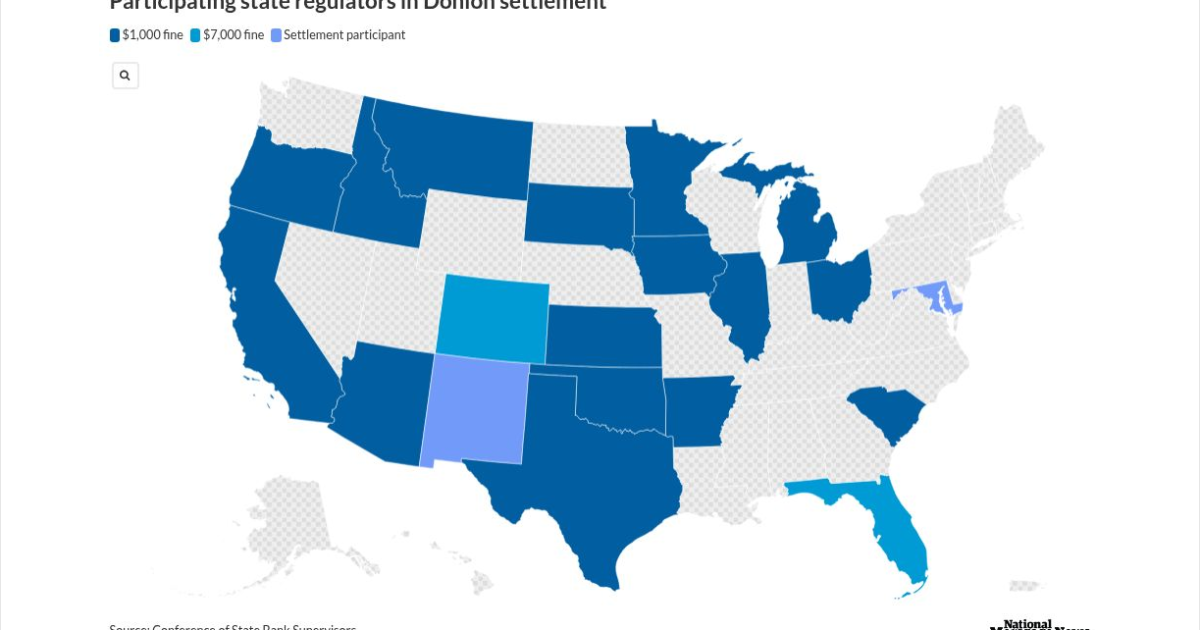
A multistate crackdown has sent shockwaves through the mortgage industry as Patrick Terrance Donlon, CEO of Trusted American Mortgage, accepted a sweeping settlement that bans him from working as a mortgage loan originator in 21 states—19 of them permanently. Regulators say Donlon had another individual complete his mandatory licensing and continuing‑education courses, a violation that triggered a coordinated investigation and a $31,000 penalty. The case underscores regulators’ growing intolerance for education fraud and serves as a sharp reminder to industry professionals: cutting corners on licensing can end careers.
Florida’s once‑booming housing market is cooling fast as rising insurance premiums, increasing foreclosures, and expanding flood zones push buyers to back out of deals and force sellers to cut prices. With insurance now adding thousands to annual housing costs, professionals across real estate, mortgage, and insurance are navigating a dramatically shifting landscape that’s redefining affordability in the Sunshine State.
Florida begins 2026 with a wave of more than 250 new laws now in effect, impacting healthcare, insurance, real estate, and consumer protections statewide. From free breast cancer screenings for state employees to tighter pet insurance regulations, mandatory healthcare refund rules, enhanced animal‑cruelty penalties, and new condo‑management requirements, these updates carry major implications for professionals navigating Florida’s evolving regulatory landscape.
Florida’s barrier islands may offer postcard-perfect beaches and soaring real estate demand, but they’re also some of the most fragile and costly places to build in the United States. With 765,000 residents living on land that shifts, sinks, and takes the brunt of every major hurricane, the financial and insurance risks are accelerating fast. From billion‑dollar beach rebuilds to towers settling into the sand, today’s coastal development challenges are reshaping conversations around property values, disclosure, and long‑term resilience. For real estate professionals, understanding these risks isn’t just smart — it’s becoming essential.
A Cedar City development is turning heads with its fresh approach to affordability. The team behind Temple View Commons is delivering luxury‑inspired twin homes at prices below the local median by using a small, hands‑on staff and cutting traditional costs like realtor commissions. In a tight Utah housing market where inventory is scarce and prices remain high, their strategy offers a realistic path to homeownership without sacrificing high‑end finishes.


 Title Insurance Leaders Double Down on Tech and Efficiency to Drive 2026 Market Momentum Gallery