The rise of artificial intelligence is transforming industries across the country, and now it is making a major impact in real estate. According to NerdWallets 2026 buyer survey, nearly half of all homebuyers plan to use AI tools at some point during the home buying process. This shift is especially evident in Florida, where new platforms are reimagining the traditional path to homeownership.
AI Steps Into the Florida Real Estate Market
One of the newest players in the market is Homa, a Florida-based platform designed to help buyers purchase a home with the help of artificial intelligence instead of relying entirely on a traditional real estate agent. The platform automates roughly 95 percent of the process, from understanding the buying journey to helping determine a competitive offer price.
Arman Javaherian, CEO and co-founder of Homa, says the goal is to streamline the experience while cutting down on unnecessary costs. By reducing manual processes, Homa can credit back much of the commission to the buyer. For many first-time homeowners, that savings can be significant.
Buyers See Savings and Convenience
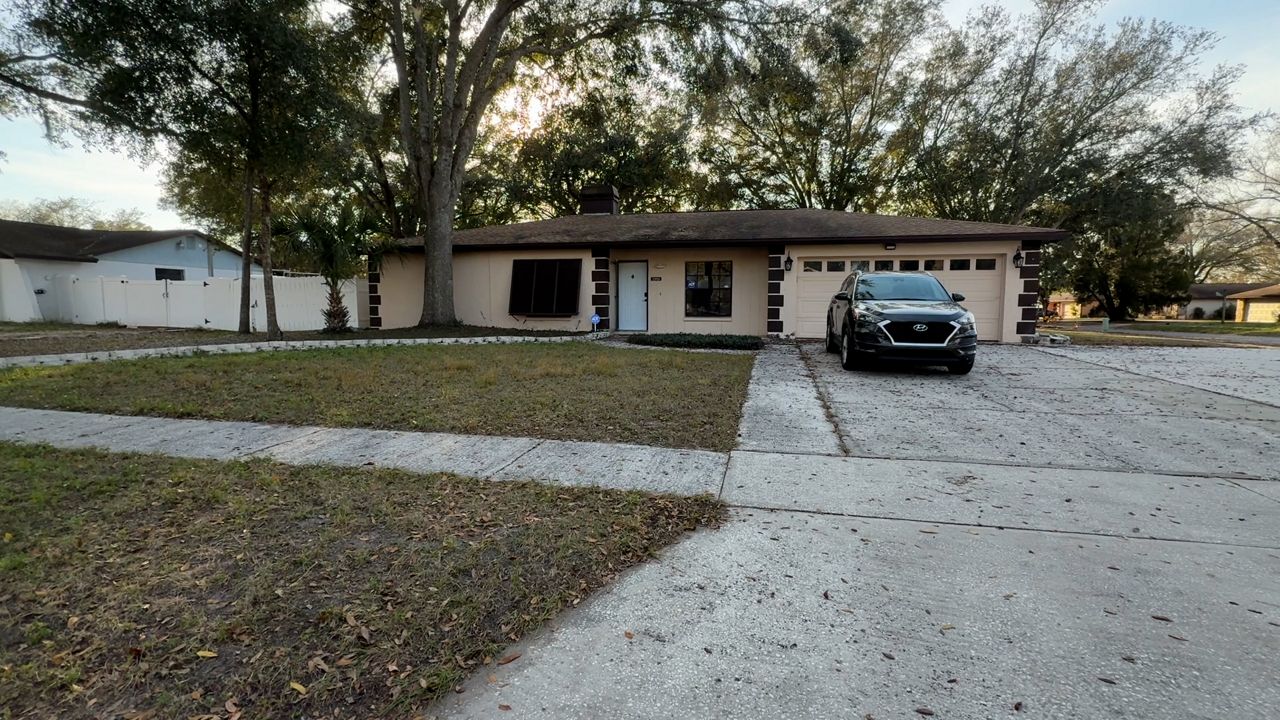
John Harrison, a 21-year-old computer programmer from Temple Terrace, discovered Homa while searching for a way to purchase a home without hiring an agent. He ended up closing on a house and receiving more than ten thousand dollars back, which he immediately put toward upgrades and repairs.
Though heavily automated, Homa still incorporates human interaction. The platform partners with showing agents to give buyers access to homes, and when it comes time to negotiate, buyers are matched with a licensed real estate agent. According to Javaherian, the system blends the best of both worlds by offering multiple expert opinions rather than relying on a single professional.
Traditional Agents Are Adapting Too
AI is not only powering new platforms; it is also being used by experienced real estate agents across Florida. Broker associate and Florida Realtors treasurer Cyndee Haydon uses AI tools to quickly analyze and organize property data. She says this frees up time for the more meaningful part of the client relationship: interpreting the data and explaining what it truly means for a buyer.
But Haydon emphasizes that AI cannot replace the nuanced decision-making of an experienced agent. When buyers remove professionals from the process, they may not realize which crucial pieces of information they are missing.
What This Means for Future Real Estate Professionals
AI is accelerating the need for well-trained, adaptable real estate agents. Despite the automation, buyers still depend on licensed professionals who can interpret data, protect their interests, and guide them through complex decisions.
Cameron Academy prepares future agents to thrive in this evolving landscape by offering Florida-focused licensing education, exam preparation, and professional development. Whether AI becomes a daily tool or simply an optional resource, the value of a knowledgeable, licensed real estate professional remains essential.
A Market Moving Forward
Homa has already closed 15 homes and has dozens more in the offer stage, with plans to expand into Texas and additional states. As platforms like this continue to grow, the industry will likely see even more innovation blending automation with human expertise.
Whether you are pursuing your first real estate license or advancing your career, the future is bright for professionals who understand how technology and human insight can work together.
More Articles
Getting licensed or staying ahead in your career can be a journey—but it doesn’t have to be overwhelming. Grab your favorite coffee or tea, take a moment to relax, and browse through our articles. Whether you’re just starting out or renewing your expertise, we’ve got tips, insights, and advice to keep you moving forward. Here’s to your success—one sip and one step at a time!
In a world where technology is rapidly reshaping every facet of our lives, the healthcare sector is no exception. The recent review published in Cureus delves into the transformative role of telemedicine and telehealth, particularly in public healthcare. This narrative review highlights the integration of telehealth and telemedicine, their historical milestones, and how the COVID-19 pandemic accelerated their adoption.
The construction industry is poised for dramatic shifts. Those who embrace these changes will lead the way in shaping a smarter, more sustainable built environment.
As the clock ticks toward a December 31 deadline, a major House subcommittee is considering 15 bills aimed at expanding access to telehealth services. This legislative push is crucial as pandemic-era flexibilities face expiration, potentially affecting countless patients who have come to rely on virtual care.
The AI in telemedicine market is set to experience a remarkable surge, growing from USD 19.4 billion in 2024 to an anticipated USD 156.7 billion by 2033. This represents a compound annual growth rate (CAGR) of 26.1%, driven by advancements in remote diagnostics, personalized treatments, and the integration of artificial intelligence across telemedicine platforms globally.
The Global X Infrastructure Development Ex-U.S. ETF, known as IPAV, emerges as a promising investment vehicle for those looking to capitalize on the burgeoning international infrastructure sector. Listed on August 28, 2024, on the CBOE BZX, it captures the growth potential of companies outside the United States benefiting from infrastructure advancements.