The rise of artificial intelligence is transforming industries across the country, and now it is making a major impact in real estate. According to NerdWallets 2026 buyer survey, nearly half of all homebuyers plan to use AI tools at some point during the home buying process. This shift is especially evident in Florida, where new platforms are reimagining the traditional path to homeownership.
AI Steps Into the Florida Real Estate Market
One of the newest players in the market is Homa, a Florida-based platform designed to help buyers purchase a home with the help of artificial intelligence instead of relying entirely on a traditional real estate agent. The platform automates roughly 95 percent of the process, from understanding the buying journey to helping determine a competitive offer price.
Arman Javaherian, CEO and co-founder of Homa, says the goal is to streamline the experience while cutting down on unnecessary costs. By reducing manual processes, Homa can credit back much of the commission to the buyer. For many first-time homeowners, that savings can be significant.
Buyers See Savings and Convenience
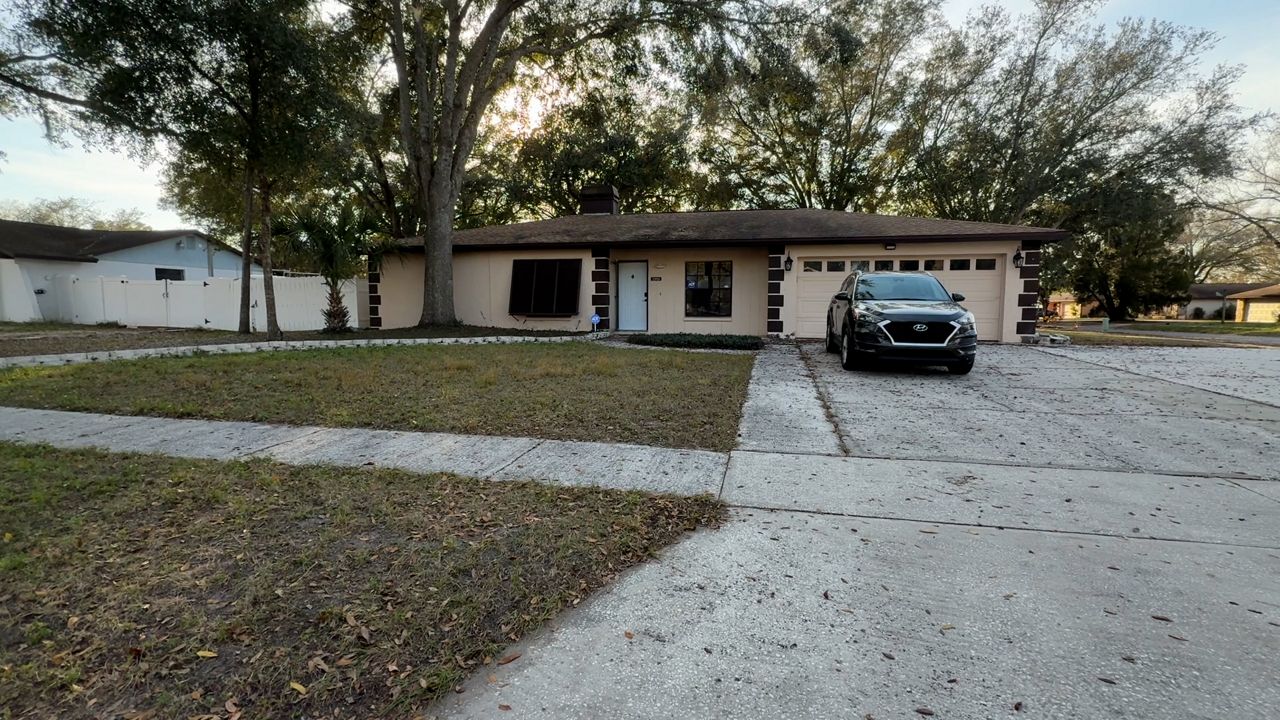
John Harrison, a 21-year-old computer programmer from Temple Terrace, discovered Homa while searching for a way to purchase a home without hiring an agent. He ended up closing on a house and receiving more than ten thousand dollars back, which he immediately put toward upgrades and repairs.
Though heavily automated, Homa still incorporates human interaction. The platform partners with showing agents to give buyers access to homes, and when it comes time to negotiate, buyers are matched with a licensed real estate agent. According to Javaherian, the system blends the best of both worlds by offering multiple expert opinions rather than relying on a single professional.
Traditional Agents Are Adapting Too
AI is not only powering new platforms; it is also being used by experienced real estate agents across Florida. Broker associate and Florida Realtors treasurer Cyndee Haydon uses AI tools to quickly analyze and organize property data. She says this frees up time for the more meaningful part of the client relationship: interpreting the data and explaining what it truly means for a buyer.
But Haydon emphasizes that AI cannot replace the nuanced decision-making of an experienced agent. When buyers remove professionals from the process, they may not realize which crucial pieces of information they are missing.
What This Means for Future Real Estate Professionals
AI is accelerating the need for well-trained, adaptable real estate agents. Despite the automation, buyers still depend on licensed professionals who can interpret data, protect their interests, and guide them through complex decisions.
Cameron Academy prepares future agents to thrive in this evolving landscape by offering Florida-focused licensing education, exam preparation, and professional development. Whether AI becomes a daily tool or simply an optional resource, the value of a knowledgeable, licensed real estate professional remains essential.
A Market Moving Forward
Homa has already closed 15 homes and has dozens more in the offer stage, with plans to expand into Texas and additional states. As platforms like this continue to grow, the industry will likely see even more innovation blending automation with human expertise.
Whether you are pursuing your first real estate license or advancing your career, the future is bright for professionals who understand how technology and human insight can work together.
More Articles
Getting licensed or staying ahead in your career can be a journey—but it doesn’t have to be overwhelming. Grab your favorite coffee or tea, take a moment to relax, and browse through our articles. Whether you’re just starting out or renewing your expertise, we’ve got tips, insights, and advice to keep you moving forward. Here’s to your success—one sip and one step at a time!
The title and real estate industries are entering their most dramatic compliance overhaul in decades. FinCEN’s new anti‑money‑laundering rule now applies to every state, enforces a first‑dollar reporting requirement, and places full responsibility on settlement agents. With the rule already in effect and mandatory reporting beginning March 1, 2026, professionals face urgent operational changes involving software, training, and entity‑buyer disclosures. Combined with state‑level rate shifts and heightened scrutiny of attorney opinion letters, 2025 marks a turning point that demands stronger compliance literacy across the entire real estate and finance ecosystem.
Retirement planning went through major changes in 2025, from new SECURE Act updates to shifting investment behaviors. As we move into 2026, seven key trends are reshaping how Americans save and build long‑term wealth. These shifts matter not only for everyday investors but also for professionals across real estate, finance, mortgage, insurance, and other licensed fields. Understanding these developments can help you strengthen your own financial strategy while staying competitive in your career.
Florida’s housing market is cooling faster than any other state, and soaring insurance premiums are the primary force driving buyers away. With cancellation rates in major metros topping 20%, steep price drops across Southwest Florida, rising HOA and condo fees, and thousands of homes added to new flood zones, many buyers are discovering that insurance—not the mortgage—is what kills the deal. As Citizens shrinks and new legislation raises coverage requirements, professionals in real estate, mortgage, and insurance must adapt quickly to a market where affordability hinges on risk, regulation, and rising premiums.
Commercial real estate is entering 2026 with renewed optimism as pricing floors, revitalized capital markets, and improved market visibility signal a shift away from the volatility of 2025. Analysts from Deloitte, Colliers, Cushman & Wakefield, and CoStar highlight firmer fundamentals, rising deal flow, and increased lender participation. Key sectors such as office, industrial, retail, multifamily, and data centers are showing distinct recovery patterns, positioning industry professionals and students for new opportunities in the year ahead.
Florida’s property insurance market is finally stabilizing after years of storms, lawsuits, and rising rates — yet many homeowners are still seeing higher bills. The reason isn’t the rates themselves but soaring replacement values driven by inflation in labor and building materials. Even as insurers lower rates, the cost to rebuild a home continues to rise, making up roughly 75% of recent premium increases. With new insurers entering the market and reforms taking effect, homeowners now have more options to shop, recalculate coverage, and control their costs.
The 2026 job market is shifting fast, and the biggest winners will be professionals who can prove they’re continuously learning. With more than 90% of employers now preferring candidates with microcredentials, short targeted certificates are becoming the new career currency. From AI and data skills to modern communication and adaptability, microcredentials are helping workers stand out in a competitive landscape — especially as industries like real estate, mortgage, insurance, and finance demand ongoing upskilling.