The rise of artificial intelligence is transforming industries across the country, and now it is making a major impact in real estate. According to NerdWallets 2026 buyer survey, nearly half of all homebuyers plan to use AI tools at some point during the home buying process. This shift is especially evident in Florida, where new platforms are reimagining the traditional path to homeownership.
AI Steps Into the Florida Real Estate Market
One of the newest players in the market is Homa, a Florida-based platform designed to help buyers purchase a home with the help of artificial intelligence instead of relying entirely on a traditional real estate agent. The platform automates roughly 95 percent of the process, from understanding the buying journey to helping determine a competitive offer price.
Arman Javaherian, CEO and co-founder of Homa, says the goal is to streamline the experience while cutting down on unnecessary costs. By reducing manual processes, Homa can credit back much of the commission to the buyer. For many first-time homeowners, that savings can be significant.
Buyers See Savings and Convenience
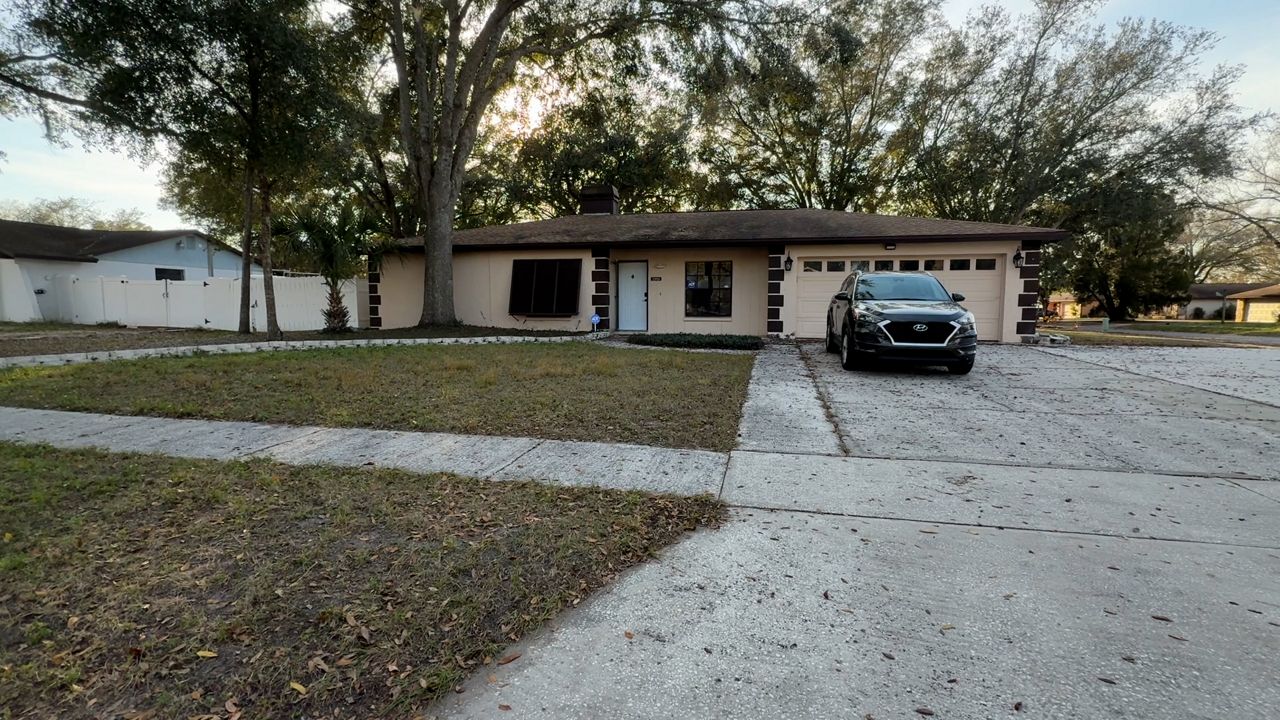
John Harrison, a 21-year-old computer programmer from Temple Terrace, discovered Homa while searching for a way to purchase a home without hiring an agent. He ended up closing on a house and receiving more than ten thousand dollars back, which he immediately put toward upgrades and repairs.
Though heavily automated, Homa still incorporates human interaction. The platform partners with showing agents to give buyers access to homes, and when it comes time to negotiate, buyers are matched with a licensed real estate agent. According to Javaherian, the system blends the best of both worlds by offering multiple expert opinions rather than relying on a single professional.
Traditional Agents Are Adapting Too
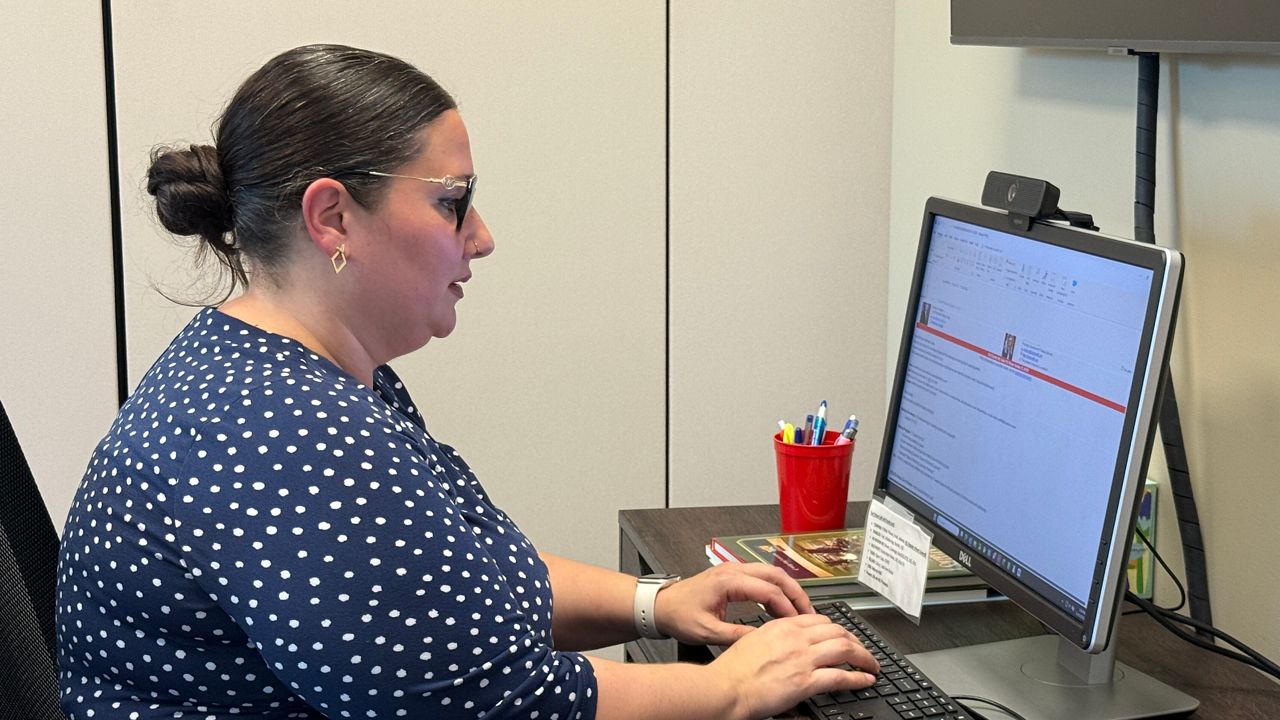
AI is not only powering new platforms; it is also being used by experienced real estate agents across Florida. Broker associate and Florida Realtors treasurer Cyndee Haydon uses AI tools to quickly analyze and organize property data. She says this frees up time for the more meaningful part of the client relationship: interpreting the data and explaining what it truly means for a buyer.
But Haydon emphasizes that AI cannot replace the nuanced decision-making of an experienced agent. When buyers remove professionals from the process, they may not realize which crucial pieces of information they are missing.
What This Means for Future Real Estate Professionals
AI is accelerating the need for well-trained, adaptable real estate agents. Despite the automation, buyers still depend on licensed professionals who can interpret data, protect their interests, and guide them through complex decisions.
Cameron Academy prepares future agents to thrive in this evolving landscape by offering Florida-focused licensing education, exam preparation, and professional development. Whether AI becomes a daily tool or simply an optional resource, the value of a knowledgeable, licensed real estate professional remains essential.
A Market Moving Forward
Homa has already closed 15 homes and has dozens more in the offer stage, with plans to expand into Texas and additional states. As platforms like this continue to grow, the industry will likely see even more innovation blending automation with human expertise.
Whether you are pursuing your first real estate license or advancing your career, the future is bright for professionals who understand how technology and human insight can work together.
More Articles
Getting licensed or staying ahead in your career can be a journey—but it doesn’t have to be overwhelming. Grab your favorite coffee or tea, take a moment to relax, and browse through our articles. Whether you’re just starting out or renewing your expertise, we’ve got tips, insights, and advice to keep you moving forward. Here’s to your success—one sip and one step at a time!
The greenhouse industry is entering 2026 with a complex wave of overlapping risks — from rising insurance costs and extreme weather to cyber threats, labor shortages, and unstable supply chains. These challenges aren’t isolated; they compound one another, increasing pressure on growers and business owners alike. Insights from industry experts reveal the key trends shaping risk management in the year ahead and what operators must do now to stay resilient.
New FDIC reporting rules are changing how banks classify and disclose commercial real estate loans, replacing the old Troubled Debt Restructuring label with clearer “financial difficulty” modifications and expanding transparency across structured products and capital requirements. These updates may briefly tighten lending but ultimately promise stronger liquidity, cleaner risk data, and more predictable CRE financing as banks adapt.
Artificial intelligence is no longer an upcoming trend—it's already reshaping how real estate professionals work, compete, and win. With the AI real estate sector set to surge from $222B in 2024 to nearly $1T by 2029, the industry is undergoing a rapid transformation in valuations, virtual tours, listings, investment analysis, and client management. Agents and investors who embrace AI tools are gaining unprecedented efficiency and insight, while those who resist risk falling behind.
The Federal Housing Finance Agency is weighing the idea of 50‑year mortgages, a move that could make monthly payments more affordable but dramatically increase total interest costs. Supporters say it may help young professionals break into the housing market, while critics warn it could trap families in half a century of debt. As the industry debates this controversial loan option, real estate and mortgage professionals must stay informed to guide clients through the shifting landscape.
December is shaping up to be another unpredictable month for mortgage rates. With the Federal Reserve signaling mixed messages, key economic reports running behind schedule, and lenders already looking ahead to 2026, rates could face upward pressure. Experts from Fannie Mae and the MBA project an average 30‑year rate around 6.3% for late 2025, suggesting a potential December bump. For real estate and mortgage professionals, understanding this volatility isn’t just helpful — it’s a competitive edge.
Sellers are cutting prices at record levels, delistings are surging to highs not seen since 2017, and buyers remain hesitant despite slightly lower mortgage rates. With affordability still strained and new construction slowing, the 2025 housing market is entering a deeper‑than‑usual winter slowdown marked by caution on all sides.