The rise of artificial intelligence is transforming industries across the country, and now it is making a major impact in real estate. According to NerdWallets 2026 buyer survey, nearly half of all homebuyers plan to use AI tools at some point during the home buying process. This shift is especially evident in Florida, where new platforms are reimagining the traditional path to homeownership.
AI Steps Into the Florida Real Estate Market
One of the newest players in the market is Homa, a Florida-based platform designed to help buyers purchase a home with the help of artificial intelligence instead of relying entirely on a traditional real estate agent. The platform automates roughly 95 percent of the process, from understanding the buying journey to helping determine a competitive offer price.
Arman Javaherian, CEO and co-founder of Homa, says the goal is to streamline the experience while cutting down on unnecessary costs. By reducing manual processes, Homa can credit back much of the commission to the buyer. For many first-time homeowners, that savings can be significant.
Buyers See Savings and Convenience
John Harrison, a 21-year-old computer programmer from Temple Terrace, discovered Homa while searching for a way to purchase a home without hiring an agent. He ended up closing on a house and receiving more than ten thousand dollars back, which he immediately put toward upgrades and repairs.
Though heavily automated, Homa still incorporates human interaction. The platform partners with showing agents to give buyers access to homes, and when it comes time to negotiate, buyers are matched with a licensed real estate agent. According to Javaherian, the system blends the best of both worlds by offering multiple expert opinions rather than relying on a single professional.
Traditional Agents Are Adapting Too
AI is not only powering new platforms; it is also being used by experienced real estate agents across Florida. Broker associate and Florida Realtors treasurer Cyndee Haydon uses AI tools to quickly analyze and organize property data. She says this frees up time for the more meaningful part of the client relationship: interpreting the data and explaining what it truly means for a buyer.
But Haydon emphasizes that AI cannot replace the nuanced decision-making of an experienced agent. When buyers remove professionals from the process, they may not realize which crucial pieces of information they are missing.
What This Means for Future Real Estate Professionals
AI is accelerating the need for well-trained, adaptable real estate agents. Despite the automation, buyers still depend on licensed professionals who can interpret data, protect their interests, and guide them through complex decisions.
Cameron Academy prepares future agents to thrive in this evolving landscape by offering Florida-focused licensing education, exam preparation, and professional development. Whether AI becomes a daily tool or simply an optional resource, the value of a knowledgeable, licensed real estate professional remains essential.
A Market Moving Forward
Homa has already closed 15 homes and has dozens more in the offer stage, with plans to expand into Texas and additional states. As platforms like this continue to grow, the industry will likely see even more innovation blending automation with human expertise.
Whether you are pursuing your first real estate license or advancing your career, the future is bright for professionals who understand how technology and human insight can work together.
More Articles
Getting licensed or staying ahead in your career can be a journey—but it doesn’t have to be overwhelming. Grab your favorite coffee or tea, take a moment to relax, and browse through our articles. Whether you’re just starting out or renewing your expertise, we’ve got tips, insights, and advice to keep you moving forward. Here’s to your success—one sip and one step at a time!
Cybercrime in 2025 has evolved into a full‑scale service economy, with malware now available through subscription platforms that operate like mainstream tech businesses. Bitsight’s latest analysis reveals explosive growth in Malware‑as‑a‑Service tools, rising attacks across industries like healthcare, finance, tech, and real estate, and a surge in cross‑platform malware and supply‑chain exploits. For professionals in any licensed field, the message is clear: today’s digital landscape demands heightened vigilance, stronger identity security, and proactive defense against an increasingly organized underground threat environment.
A new proptech startup in the UAE, Gllit is redefining how property deals happen by removing agents, eliminating commissions, and integrating AI tools that let users create professional listings in seconds. With a fast, transparent, and direct-to-owner model, Gllit offers a glimpse into the future of global real estate — and a powerful case study for U.S. professionals preparing for tech-driven changes in the industry.
The 2026 housing market is shaping up to be a year of stability with a few surprises. Mortgage rates are expected to hold steady, home price growth is slowing, and yet ownership costs continue to rise due to soaring taxes and insurance. Meanwhile, renting is becoming more attractive as affordability improves and built‑to‑rent communities expand. This breakdown highlights the biggest trends ahead — and what they mean for buyers, sellers, and real estate professionals, especially in Florida.
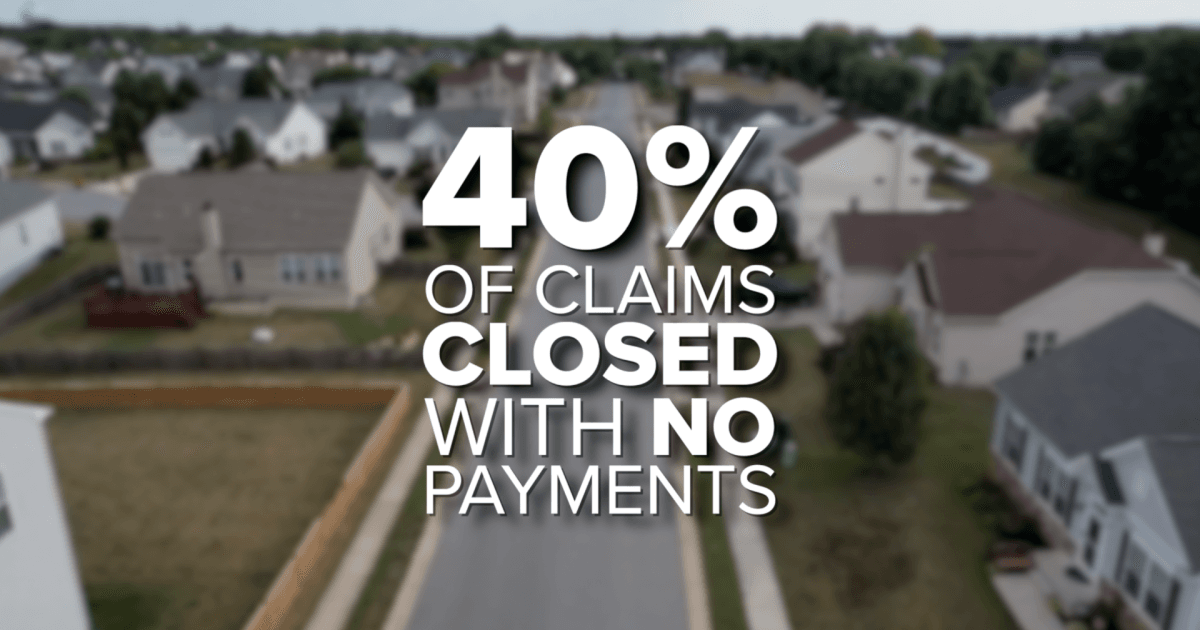
Florida homeowners are facing some of the highest insurance premiums in the nation, with average costs now topping $5,800 per year—about $3,000 above the U.S. average. Many residents report their rates have doubled or even tripled, while more than 40 percent of claims are closed with no payment. As frustration grows, state lawmakers and consumer advocates are pushing for transparency, rate caps, and incentives to help storm‑proof homes. The outcome of these reform efforts could reshape Florida’s real estate market, insurance landscape, and affordability for years to come.
A new global study from Risk.net and SAS reveals that many insurance companies are still making key decisions in isolated silos, despite industry-wide pushes toward data-driven strategies. While most leaders claim to have a clear vision, 38 percent admit they lack a real-time view of risks, revenue and costs. With poor data quality, limited collaboration and outdated processes holding teams back, experts say the industry is poised for a major transformation through AI, analytics and unified strategy—offering lessons for professionals across insurance, real estate, finance and other regulated fields.
Atlanta’s housing market is shifting into a more balanced and predictable phase. Prices have leveled off, inventory has finally caught up, and mortgage rates are easing enough to bring buyers back into the game. With steady demand, growing listings, and only mild price corrections forecasted into 2026, Atlanta remains one of the Southeast’s strongest real estate markets for buyers, sellers, and investors alike.