
AI Isn’t the Shiny Object — It’s the System Transforming Real Estate Success

Ai and real estate

When ChatGPT first burst onto the scene, agents responded just like they did when social media arrived: curiosity, excitement, and a touch of panic. Tom Ferry coach Jason Pantana, co-founder and CEO of the AI Marketing Academy, watched it happen in real time — the agents proudly announcing, “I tried ChatGPT today!” and the others quietly worried they were already falling behind.

In an exclusive interview with HousingWire, Pantana revealed a critical truth: the gap widening between agents isn’t about whether they’ve used AI — it’s about whether they’re immersed.

“Some agents know ChatGPT exists,” Pantana says. “Others are paying attention to Google’s Gemini 3 or the next big shift.”

For agents who invest even 15–20 minutes a day exploring what’s new, what’s coming, and what’s possible, AI becomes an extension of their business — not a novelty. And like Pantana, forward-thinking professionals across the industry are realizing the shift isn’t about tools — it’s about mindset.

The Shift: From Shiny Objects to Real Outcomes

Pantana warns that many agents chase AI tools the same way they chase viral posts — jumping from one shiny feature to the next without developing a system. Instead, he challenges professionals to begin with one question: What outcome do you want?

“What’s the goal for your business? What tools support that goal? AI isn’t a fix — it’s one piece of a system designed for outcomes,” he says.

Fear-based adoption leads to shortcuts and reactive decisions. AI should reduce friction, not erase authenticity. From cutting video retakes from 19 down to two, to generating branded HTML emails in minutes, AI is meant to expand your production — not dilute your personality.

Authenticity Is a Prompt Away

Agents often complain that AI “sounds robotic.” Pantana respectfully disagrees. If AI sounds like AI, he says, the prompt was weak.

“Life punishes vague requests and rewards specific asks,” he explains. Give AI context. Give it style. Give it intent. Weak prompts deliver weak results — strong prompts create strong content.

The Real Lead Gen Shift: Search is Becoming Ask

The biggest opportunity today isn’t viral videos or catchy taglines — it’s AI search. As Pantana puts it, “Search is becoming ask.” And when consumers can simply ask AI to find the best agent in their area, the rules change instantly.

This new landscape rewards agents with strong online reputations — especially Google reviews — and content that answers the “bottom-of-funnel” questions buyers and sellers ask when they’re ready to make a move.

Answering these hyper-specific questions increases the chances of earning a click by 10x to 23x, according to marketing strategist Neil Patel.

AI Doesn’t Replace You — It Amplifies You

Top-producing agents often fear AI will level the playing field too much. But Pantana insists the opposite is true.

“AI is a force multiplier,” he explains. “It helps you do more, faster, better — as long as it’s trained and harnessed properly.”

The real risk isn’t AI replacing agents. It’s AI-powered agents outperforming those who refuse to adapt.

What This Means for Today’s Professionals

Pantana’s advice is simple: use an AI tool daily, surround yourself with a growth-focused community, and choose one uncomfortable skill to improve. This mirrors the learning philosophy at Cameron Academy, where thousands of Florida real estate professionals — from brand-new agents to seasoned power producers — build the competitive skills they need to thrive in a rapidly changing market.

Because in today’s landscape, AI isn’t the shiny object. It’s the system. And the agents who embrace it — consistently, strategically, and creatively — are the ones who will lead the next era of real estate.

Source: HousingWire’s full interview with Jason Pantana

More Articles

Getting licensed or staying ahead in your career can be a journey—but it doesn’t have to be overwhelming. Grab your favorite coffee or tea, take a moment to relax, and browse through our articles. Whether you’re just starting out or renewing your expertise, we’ve got tips, insights, and advice to keep you moving forward. Here’s to your success—one sip and one step at a time!

Artificial Intelligence in Diagnostics: A Revolution in Healthcare

The global market for artificial intelligence in diagnostics is poised for remarkable growth, with projections estimating it to reach USD 7.3 billion by 2032.

By |December 10, 2024|Categories: Article, Artificial Intelligence, Healthcare|Tags: , |0 Comments

Revolutionizing Medical Education with Extended Reality

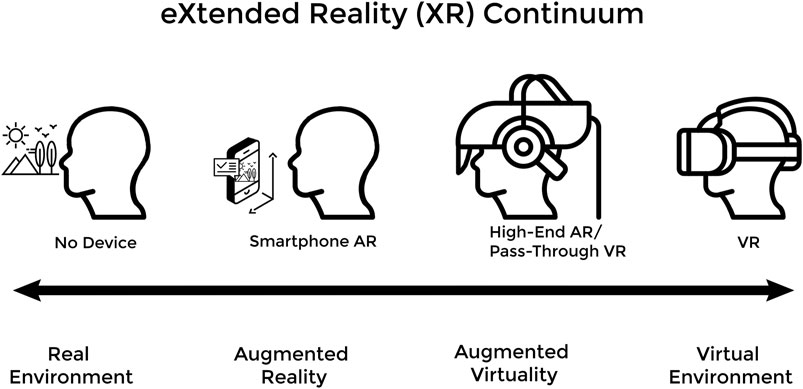
In the ever-evolving landscape of medical education, a new player has emerged, promising to revolutionize the way future doctors are trained. The integration of eXtended Reality (XR) technologies is reshaping the educational landscape by addressing the limitations of traditional methods.

Genetic Testing: A New Dawn in Healthcare

Genetic testing represents more than just a scientific advancement; it signifies a fundamental shift in how we approach health and wellness.

Sustainable Architecture: Blending Innovation with Ecological Responsibility

The journey toward sustainable architecture is ongoing, with each project serving as a beacon of what's achievable when creativity meets ecological awareness.

By |December 9, 2024|Categories: Architecture, Article, Sustainability|Tags: |0 Comments

AI in Clinical and Molecular Diagnostics: A Market on the Rise

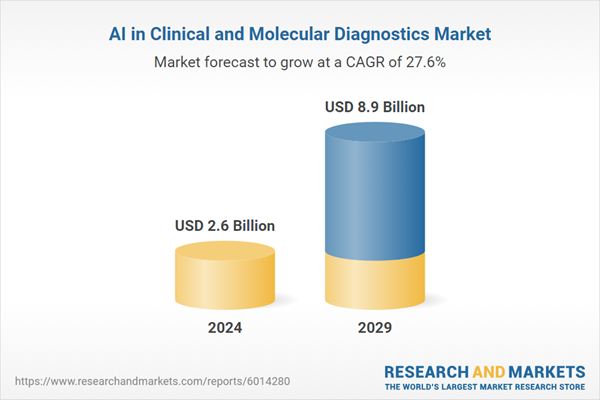
AI in Clinical and Molecular Diagnostics Market is set to experience remarkable growth, projected to surge from USD 2.6 billion in 2024 to USD 8.9 billion by 2029. This growth is driven by the integration of advanced AI technologies such as machine learning and deep learning into traditional diagnostic methodologies like imaging, genomics, and laboratory testing.

AI: A Revolution in Healthcare’s Future

AI is not a distant dream but a present reality, already integrated into everyday life through virtual assistants like Alexa and Siri. AI shows promise in enhancing medical accuracy, such as in predicting mesothelioma survival and improving colonoscopy accuracy, it is not intended to replace healthcare professionals.