AI Listing Images Are Shaking Trust in Real Estate Marketing

Modern living room photographed with tripod

Artificial intelligence is quietly transforming one of the most influential pillars of real estate marketing: listing photos. What once involved simple brightness and contrast tweaks has evolved into full-scene image generation. Entire rooms can be staged digitally, lighting can be reshaped, and outdated interiors can be replaced with sleek, modern redesigns in seconds. Surveys now show that nearly 70 percent of real estate agents have experimented with AI tools for listing images and virtual staging.

The convenience is undeniable. A well-polished image drives more clicks, more interest, and more showings. It saves time, cuts staging costs, and helps listings stand out in crowded markets. But as AI grows more sophisticated, an important question emerges: When does smart marketing become misleading representation?

The Rise of Housefishing

A new industry buzzword is taking hold: housefishing. Much like catfishing, it refers to listings that look dramatically better online than they do in person. Renters and buyers report arriving for showings only to find cluttered, outdated, or drastically different interiors than the pristine AI-enhanced photos advertised.

Viral social media posts calling out AI-inflated listings have ignited public skepticism, making consumers question whether they can trust online real estate photos at all.

When Marketing Becomes Misrepresentation

Regulators are stepping in. California’s Assembly Bill 723, enacted in 2026, requires all digitally altered listing photos to be clearly labeled. If AI adds furniture, removes clutter, enhances landscaping, or modifies a window view, the original photo must accompany the edited version.

Legal experts caution that if these enhancements influence a buyer’s decision, agents could face misrepresentation claims or consumer protection lawsuits. As AI becomes more powerful, transparency becomes more essential.

A Growing Trust Problem for Renters

Renters are often hit hardest. They make rapid decisions and rely heavily on online listings to choose which units to tour. When photos are heavily manipulated, each visit becomes unpredictable. What should be a filtering tool turns into a gamble.

The irony is striking: the rise of AI-enhanced photos is making in-person tours more important than ever. Authentic virtual tours, unedited photo galleries, and live video walk-throughs are becoming crucial for credibility.

Using AI Responsibly in Real Estate

The goal isn’t to eliminate AI. Digital staging and renovation previews can help potential buyers imagine possibilities. The ethical line lies in whether the images represent hypothetical potential or attempt to pass an idealized version off as reality.

Example real photo Example ai enhanced photo

Listing platforms and brokerages are testing new transparency tools, offering features like side-by-side comparisons and AI-generated labels. With AI now embedded in real estate marketing, clarity is becoming the industry’s ultimate trust-builder.

What This Means for Future Real Estate Professionals

As technology reshapes expectations, real estate professionals must stay informed and compliant. Advertising laws, ethical standards, and modern marketing tools are now essential knowledge areas. For new students preparing for licensing exams and active agents seeking continuing education, Cameron Academy provides curriculum designed to keep professionals ahead of trends like AI-enhanced imagery and emerging industry regulations.

Explore the original report and full coverage from Propmodo at https://propmodo.com/ai-listing-images-are-creating-a-new-trust-problem/.


More Articles

Getting licensed or staying ahead in your career can be a journey—but it doesn’t have to be overwhelming. Grab your favorite coffee or tea, take a moment to relax, and browse through our articles. Whether you’re just starting out or renewing your expertise, we’ve got tips, insights, and advice to keep you moving forward. Here’s to your success—one sip and one step at a time!

Florida Judge Reopens Hundreds of Citizens Insurance Disputes, Triggering Statewide Arbitration Shake‑Up

A Leon County judge has ordered Florida’s administrative courts to restart arbitration on more than 400 stalled Citizens Insurance cases, reigniting a legal showdown over whether the state’s insurer of last resort can force policyholders out of traditional courtrooms. The ruling directly conflicts with a separate Hillsborough County injunction that called Citizens’ arbitration system “likely unconstitutional,” setting up a rare judicial clash that could reshape how Floridians fight denied or underpaid property claims.

Inhabit Unveils Cutting‑Edge AI, Fraud Prevention, and Compliance Tech Set to Transform Property Management in 2025

Inhabit has launched a powerful new suite of AI‑driven tools designed to modernize leasing, strengthen fraud prevention, and simplify compliance for property managers nationwide. From advanced leasing assistants and NYC‑specific regulatory AI to instant income verification and upcoming identity‑screening tech, these innovations aim to solve some of the industry’s toughest challenges. Real estate professionals—especially in multifamily—can expect faster operations, stronger safeguards, and a more efficient workflow as these technologies roll out.

The Coming Housing Surplus: How Baby Boomer Demographics Could Reshape the Real Estate Market

A growing body of demographic research suggests that today’s housing shortage may give way to a future surplus as millions of Baby Boomer–owned homes return to the market over the next two decades. With affordability at historic lows and inventory still tight, this long‑term shift could eventually cool prices and transform the landscape for real estate professionals. The analysis draws parallels to aging populations abroad and highlights why understanding demographic cycles is becoming essential knowledge for agents, brokers, and mortgage professionals preparing for the next era of the housing market.

Griffin Funding Elevates John Jones to SVP of Growth as Lender Targets $3B in Non‑QM Volume

Griffin Funding has appointed John Jones as Senior Vice President of Growth and EOS Integrator, a move aimed at accelerating the lender’s push toward $3 billion in annual non‑QM loan volume by 2030. Jones, previously the company’s fractional integrator and COO, will lead expansion strategies, operational optimization, and leadership development as the lender strengthens its position in the increasingly competitive non‑QM market.

Tampa Defies National Real Estate Slowdown With Nearly 20% Stronger Multifamily Returns

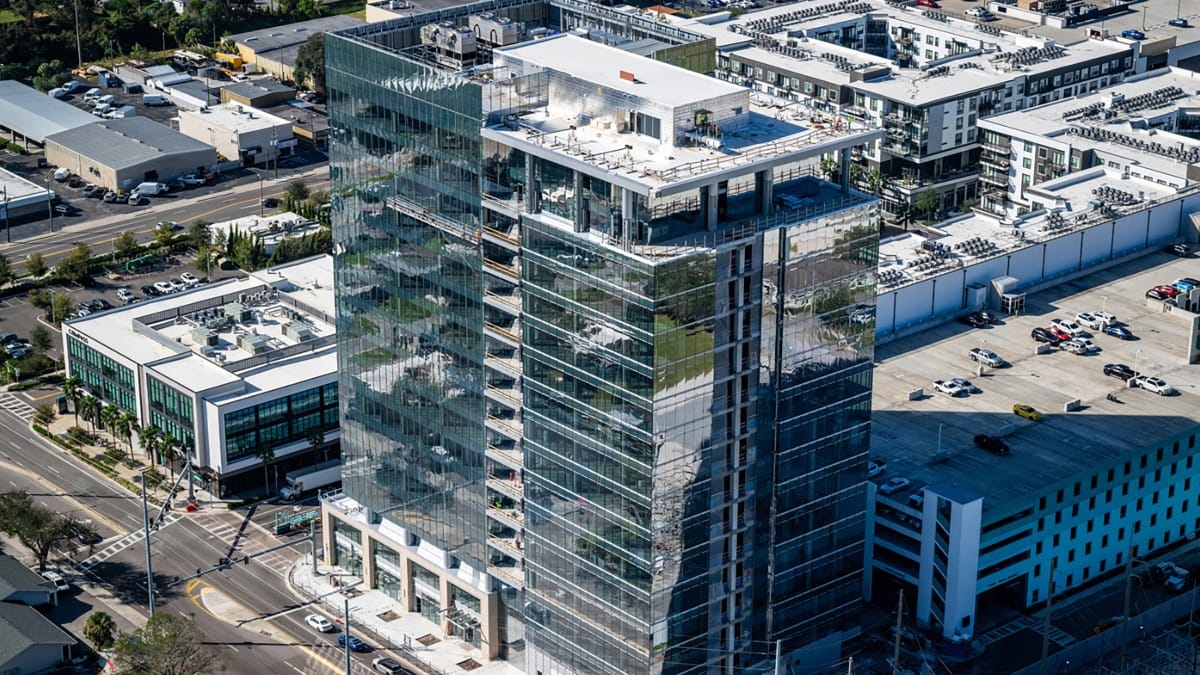
A new report shows Tampa outperforming the national real estate slowdown with a 6.5 percent annualized multifamily return, nearly 20 percent higher than the U.S. average. While many metros face oversupply or regulatory drag, Tampa’s balanced development pipeline, strong population growth, and investor confidence continue to fuel resilient performance heading into 2026.

Global Investors Are Re‑Entering the Market—and Their Next Moves Could Reshape 2026

A new Colliers outlook reveals that global capital is picking up momentum again, with investors shifting toward more active, hands‑on strategies. Data centers are surging, offices are rebounding, and value‑add plays like adaptive reuse are defining the next wave of opportunity. Regional markets—from the U.S. to APAC—are seeing renewed demand as fundraising spreads across continents and investors seek speed, control, and scale. This snapshot helps today’s real estate and finance professionals stay aligned with where global money is moving next.