AI Listing Images Are Creating a New Trust Problem in Real Estate
Artificial intelligence is reshaping one of the most familiar elements of property marketing: listing photos. What started as simple cleaning, brightening, and cropping has evolved into full-scene generation. With a few clicks, empty units can be staged, outdated interiors refreshed, and lighting enhanced. Surveys show that nearly 70 percent of real estate professionals have experimented with AI-generated imagery or virtual staging.
The appeal is obvious. Listings must shine online before anyone schedules a tour, and AI creates that first impression faster and more affordably than traditional staging. But as enhancements become more dramatic, the risk grows that a polished image may cross the line into misrepresentation.
The Rise of Housefishing
A new term has emerged: housefishing. Borrowed from the word catfishing, it refers to listings that appear drastically better online than they do in person. Some renters and buyers report touring units that are almost unrecognizable compared to their listing photos. AI tools have hidden clutter, erased damage, changed finishes, and even altered views outside windows.
The publication Propmodo explored this growing issue in depth. Their in-depth examination is worth a read below.
The growing backlash has pushed lawmakers to take action. California’s Assembly Bill 723, which took effect in 2026, now requires clear disclosure whenever listing photos have been digitally altered. Real estate professionals must label modified images and provide originals on request. This includes changes such as added furniture, altered fixtures, revised landscaping, or modified window views.
Why it matters: Advertising laws already require truthfulness. When AI edits significantly misrepresent a property’s condition or features, misrepresentation claims can quickly follow.
The Trust Breakdown
Complaints from renters and buyers continue to rise as AI tools spread. Social media is full of posts exposing listings where the real-world space appears smaller, darker, or substantially different from the images online. State regulators have begun warning consumers about heavily manipulated photography, emphasizing the risk of deceptive advertising.
This trend is especially pronounced in apartment leasing. Renters rely heavily on photos when choosing which units to visit, and misleading imagery does more than frustrate a prospect. It breaks trust in the entire search experience. When every showing becomes a guessing game, the marketplace becomes less efficient for renters and property managers.
Irony in the AI Era: In-Person Tours Matter More
Ironically, the more AI polish floods the market, the more renters and buyers crave authenticity. Live video tours, in-person walkthroughs, and unedited virtual tours are becoming essential verification tools. People want reassurance that what they saw online actually exists.
Transparency as the Path Forward
The solution is not to abandon AI. When used responsibly, these tools help renters visualize potential and allow agents to showcase possible upgrades. The problem begins only when enhancements disguise reality.
Some listing platforms are already experimenting with transparency tools, such as showing original and edited images side by side or clearly labeling AI-generated media. As technology becomes more powerful, honesty may become the true competitive edge.
What This Means for Future Real Estate Professionals
Mastering responsible AI use is becoming a core skill for modern real estate professionals. At Cameron Academy, we emphasize ethical marketing, transparent advertising, and professionalism across our licensing and continuing education programs. Students learn how to leverage emerging tools while maintaining the trust of clients, buyers, and renters in a rapidly evolving marketplace.
As AI becomes a permanent part of real estate, the industry is realizing an unexpected truth: the most valuable part of any listing photo is not how perfect it looks, but how honestly it represents the space behind it.
More Articles
Getting licensed or staying ahead in your career can be a journey—but it doesn’t have to be overwhelming. Grab your favorite coffee or tea, take a moment to relax, and browse through our articles. Whether you’re just starting out or renewing your expertise, we’ve got tips, insights, and advice to keep you moving forward. Here’s to your success—one sip and one step at a time!
In 2026, financial advisors are no longer just experimenting with AI — they’re relying on it. Once confined to back-office duties, AI now supports meeting prep, portfolio analysis, and even early-stage financial planning. Advisors say the tech is strengthening client relationships by freeing them from administrative overload, though entry-level roles like paraplanners may feel the squeeze as automation accelerates.
Cybercriminals are weaponizing AI to launch highly convincing email scams and system breaches across the mortgage industry, overwhelming lenders and servicers whose cybersecurity measures can’t keep up. With major companies already hit and regulation lagging behind, experts warn the sector—now considered critical infrastructure—must rapidly upgrade protections, collaborate on threat intelligence, and improve AI governance before the risks escalate further.
Escrow payments are quietly surging across the country as property taxes and insurance premiums spike—pushing many homeowners toward delinquencies and even foreclosure. New data from Cotality shows the sharpest increases hitting the South and Midwest, with Florida among the hardest‑hit states. Even with fixed mortgage rates, rising escrow requirements are driving monthly payments higher and threatening affordability heading into 2026.
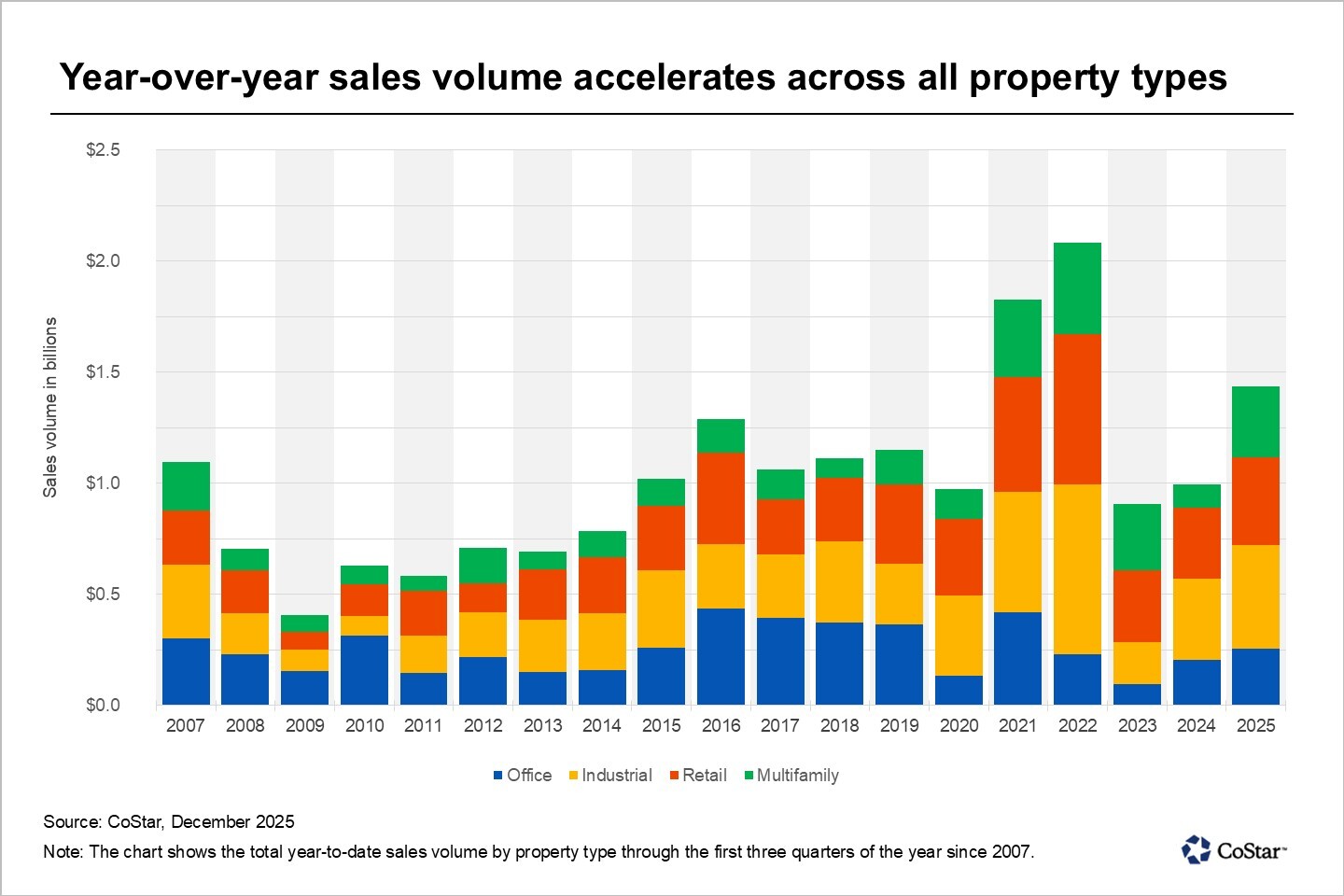
Milwaukee entered 2025 with renewed momentum, posting its strongest commercial real estate sales volume in three years. After a period of uncertainty and high capital costs, investors are returning with a sharper focus on quality assets, realistic pricing, and reliable cash flow. Activity is increasing across industrial, office, multifamily, and retail sectors, signaling a broad-based recovery fueled by stabilizing interest rates and improved market confidence.
As 2026 approaches, the title insurance industry is navigating a complex mix of market recovery, rising fraud threats, and sweeping regulatory changes. Industry leaders say the path forward centers on smarter technology, leaner operations, and stronger support for title agents. With AI-driven workflows, enhanced fraud prevention, and new compliance demands—including FinCEN’s expanded Geographic Targeting Orders—companies like Stewart and First American are reshaping how title work gets done. For real estate and mortgage professionals, the year ahead promises more automation, heightened standards, and major opportunities for those who stay ahead of the curve.
The real estate industry is undergoing a major transformation in 2025 as advancements in AI, proptech, blockchain, and data intelligence redefine how properties are marketed, valued, financed, and experienced. From instant digital valuations and immersive virtual tours to tokenized investments and predictive analytics, technology is reshaping every stage of the real estate lifecycle. Professionals who embrace these innovations—while maintaining the human expertise clients still rely on—will lead the next era of the industry.