AI Listing Images Are Creating a New Trust Problem in Real Estate
Artificial intelligence is reshaping one of the most familiar elements of property marketing: listing photos. What started as simple cleaning, brightening, and cropping has evolved into full-scene generation. With a few clicks, empty units can be staged, outdated interiors refreshed, and lighting enhanced. Surveys show that nearly 70 percent of real estate professionals have experimented with AI-generated imagery or virtual staging.
The appeal is obvious. Listings must shine online before anyone schedules a tour, and AI creates that first impression faster and more affordably than traditional staging. But as enhancements become more dramatic, the risk grows that a polished image may cross the line into misrepresentation.
The Rise of Housefishing
A new term has emerged: housefishing. Borrowed from the word catfishing, it refers to listings that appear drastically better online than they do in person. Some renters and buyers report touring units that are almost unrecognizable compared to their listing photos. AI tools have hidden clutter, erased damage, changed finishes, and even altered views outside windows.
The publication Propmodo explored this growing issue in depth. Their in-depth examination is worth a read below.
The growing backlash has pushed lawmakers to take action. California’s Assembly Bill 723, which took effect in 2026, now requires clear disclosure whenever listing photos have been digitally altered. Real estate professionals must label modified images and provide originals on request. This includes changes such as added furniture, altered fixtures, revised landscaping, or modified window views.
Why it matters: Advertising laws already require truthfulness. When AI edits significantly misrepresent a property’s condition or features, misrepresentation claims can quickly follow.
The Trust Breakdown
Complaints from renters and buyers continue to rise as AI tools spread. Social media is full of posts exposing listings where the real-world space appears smaller, darker, or substantially different from the images online. State regulators have begun warning consumers about heavily manipulated photography, emphasizing the risk of deceptive advertising.
This trend is especially pronounced in apartment leasing. Renters rely heavily on photos when choosing which units to visit, and misleading imagery does more than frustrate a prospect. It breaks trust in the entire search experience. When every showing becomes a guessing game, the marketplace becomes less efficient for renters and property managers.
Irony in the AI Era: In-Person Tours Matter More
Ironically, the more AI polish floods the market, the more renters and buyers crave authenticity. Live video tours, in-person walkthroughs, and unedited virtual tours are becoming essential verification tools. People want reassurance that what they saw online actually exists.
Transparency as the Path Forward
The solution is not to abandon AI. When used responsibly, these tools help renters visualize potential and allow agents to showcase possible upgrades. The problem begins only when enhancements disguise reality.
Some listing platforms are already experimenting with transparency tools, such as showing original and edited images side by side or clearly labeling AI-generated media. As technology becomes more powerful, honesty may become the true competitive edge.
What This Means for Future Real Estate Professionals
Mastering responsible AI use is becoming a core skill for modern real estate professionals. At Cameron Academy, we emphasize ethical marketing, transparent advertising, and professionalism across our licensing and continuing education programs. Students learn how to leverage emerging tools while maintaining the trust of clients, buyers, and renters in a rapidly evolving marketplace.
As AI becomes a permanent part of real estate, the industry is realizing an unexpected truth: the most valuable part of any listing photo is not how perfect it looks, but how honestly it represents the space behind it.
More Articles
Getting licensed or staying ahead in your career can be a journey—but it doesn’t have to be overwhelming. Grab your favorite coffee or tea, take a moment to relax, and browse through our articles. Whether you’re just starting out or renewing your expertise, we’ve got tips, insights, and advice to keep you moving forward. Here’s to your success—one sip and one step at a time!
Florida families are feeling the squeeze as everyday costs, insurance premiums, and homeownership barriers continue to climb. House District 102 candidate Jayden D’Onofrio is calling for a broader, more unified affordability strategy—one that tackles the state’s insurance crisis, supports first‑time homebuyers, and restores real competition in the market. His message centers on transparency, practical solutions, and keeping Florida livable for the professionals, workers, and families who power its economy.
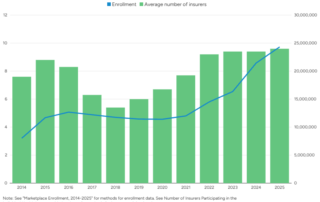
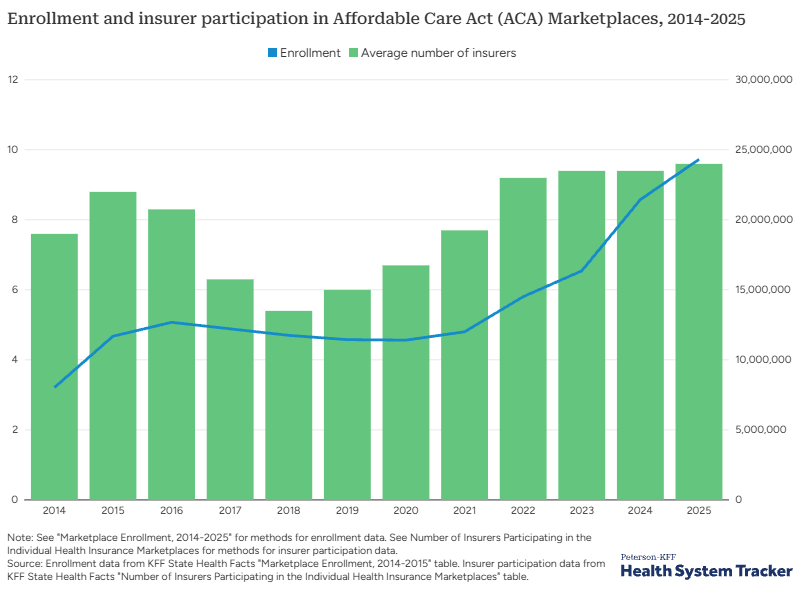
A decade of dramatic change is reshaping America’s health insurance markets. Employer group plans are becoming increasingly dominated by a few powerful insurers, while the ACA individual marketplace is experiencing record‑breaking competition and enrollment. Self‑funded plans are surging, small‑group premiums are driving employers to new coverage models, and major policy shifts in 2025 could redefine affordability for millions. This data‑driven Peterson‑KFF analysis breaks down the trends every insurance, finance, and business professional needs to understand as the industry enters a transformative new era.
Sarasota County is inching closer to approving Winchester Ranch, a massive 8,999‑home community planned for more than 3,100 acres in North Port. With a 7‑1 vote from the Planning Commission and a final decision expected in early 2026, the project could become one of Southwest Florida’s largest developments in decades—bringing new housing, commercial space, and industry while raising fresh questions about growth, the environment, and the region’s rapidly evolving real estate market.
Lument Finance Trust has closed a major $663.8 million commercial real estate CLO, marking one of the standout CRE finance deals of 2025. The transaction, LMNT 2025-FL3, features a strong reinvestment period, non‑recourse and non‑mark‑to‑market financing, and a diversified pool of 32 loans tied to 49 properties nationwide. With J.P. Morgan leading the structuring and more than $585 million placed in investment‑grade securities, the deal highlights renewed stability in transitional CRE debt—making it a development real estate and finance professionals will want to watch closely.
Walmart has partnered with Alquist 3D to roll out the nation’s first large‑scale wave of 3D‑printed commercial buildings, signaling a major shift in how future retail and industrial spaces will be constructed. After completing an 8,000‑square‑foot 3D‑printed expansion in Tennessee—the largest of its kind—the company is moving forward with over a dozen new projects nationwide, accelerating a tech‑driven transformation in commercial real estate.
Citizens Property Insurance Corp. is recommending statewide rate reductions for 2026—the first proposed decrease in more than a decade. Most Citizens policyholders could see an average 11.5% drop, reflecting recent insurance‑market reforms that have stabilized Florida’s turbulent property sector. With hundreds of thousands of policies moving back to private insurers and state‑backed Citizens shrinking to record‑low enrollment, real estate and insurance professionals should prepare for how lower premiums may influence affordability, buyer confidence, and market activity heading into 2026.