In a groundbreaking revelation, a recent study published in JAMA Network Open has illuminated the diagnostic prowess of large language models (LLMs), asserting that they surpass physicians in accuracy. This study, spearheaded by Dr. Chinta Sidharthan and featured in News-Medical, underscores the potential of LLMs to revolutionize clinical decision-making.
LLMs: The Future of Diagnostic Accuracy?
The study meticulously compares the diagnostic reasoning of physicians using conventional resources against the standalone performance of LLMs. It reveals a stark contrast: while LLMs independently deliver superior diagnostic results, their integration into clinical practice requires strategic enhancement to complement, not replace, human expertise.
AI as a Supplementary Tool
Despite the impressive diagnostic capabilities of LLMs, the study emphasizes their role as supplementary tools in healthcare settings. The integration of these AI models should aim to augment the expertise of physicians, ensuring that human judgment remains central to patient care. This approach calls for comprehensive training for healthcare professionals to effectively utilize LLMs, optimizing their performance through structured prompt design.
Challenges and Considerations
The findings suggest a nuanced approach to AI integration in clinical settings. While LLMs demonstrate remarkable diagnostic accuracy, their role should not undermine the indispensable aspects of human interaction and judgment in medical practice. As AI technology continues to evolve, the healthcare industry must prioritize patient care by leveraging these tools to enhance, rather than overshadow, the expertise of medical professionals.
Looking Ahead
The study’s conclusions highlight the need for ongoing research and evaluation of AI applications in healthcare. As LLMs inch closer to clinical integration, it becomes imperative to develop reliable metrics and evaluation methods that reflect real-world clinical scenarios. This will ensure that AI tools are used to their fullest potential, enhancing diagnostic reasoning while safeguarding patient welfare.
More Articles
Getting licensed or staying ahead in your career can be a journey—but it doesn’t have to be overwhelming. Grab your favorite coffee or tea, take a moment to relax, and browse through our articles. Whether you’re just starting out or renewing your expertise, we’ve got tips, insights, and advice to keep you moving forward. Here’s to your success—one sip and one step at a time!
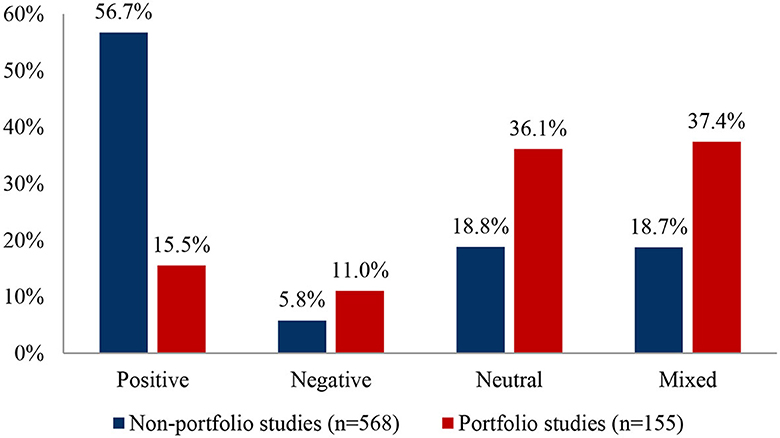
Notably, the review concludes that ESG factors generally contribute positively or neutrally to financial returns, suggesting that socially responsible investing is viable without compromising profitability.
In the ever-evolving world of real estate investment, the digital age has ushered in a new era of convenience and accessibility. According to a recent Business Insider article, the best apps for real estate investors in February 2025 offer a range of features designed to cater to both accredited and non-accredited investors.
The 2025 Commercial Real Estate Outlook by Deloitte urges organizations to strategically navigate the shifting tides to secure a robust position for the future.