In a groundbreaking revelation, a recent study published in JAMA Network Open has illuminated the diagnostic prowess of large language models (LLMs), asserting that they surpass physicians in accuracy. This study, spearheaded by Dr. Chinta Sidharthan and featured in News-Medical, underscores the potential of LLMs to revolutionize clinical decision-making.
LLMs: The Future of Diagnostic Accuracy?
The study meticulously compares the diagnostic reasoning of physicians using conventional resources against the standalone performance of LLMs. It reveals a stark contrast: while LLMs independently deliver superior diagnostic results, their integration into clinical practice requires strategic enhancement to complement, not replace, human expertise.
AI as a Supplementary Tool
Despite the impressive diagnostic capabilities of LLMs, the study emphasizes their role as supplementary tools in healthcare settings. The integration of these AI models should aim to augment the expertise of physicians, ensuring that human judgment remains central to patient care. This approach calls for comprehensive training for healthcare professionals to effectively utilize LLMs, optimizing their performance through structured prompt design.
Challenges and Considerations
The findings suggest a nuanced approach to AI integration in clinical settings. While LLMs demonstrate remarkable diagnostic accuracy, their role should not undermine the indispensable aspects of human interaction and judgment in medical practice. As AI technology continues to evolve, the healthcare industry must prioritize patient care by leveraging these tools to enhance, rather than overshadow, the expertise of medical professionals.
Looking Ahead
The study’s conclusions highlight the need for ongoing research and evaluation of AI applications in healthcare. As LLMs inch closer to clinical integration, it becomes imperative to develop reliable metrics and evaluation methods that reflect real-world clinical scenarios. This will ensure that AI tools are used to their fullest potential, enhancing diagnostic reasoning while safeguarding patient welfare.
More Articles
Getting licensed or staying ahead in your career can be a journey—but it doesn’t have to be overwhelming. Grab your favorite coffee or tea, take a moment to relax, and browse through our articles. Whether you’re just starting out or renewing your expertise, we’ve got tips, insights, and advice to keep you moving forward. Here’s to your success—one sip and one step at a time!
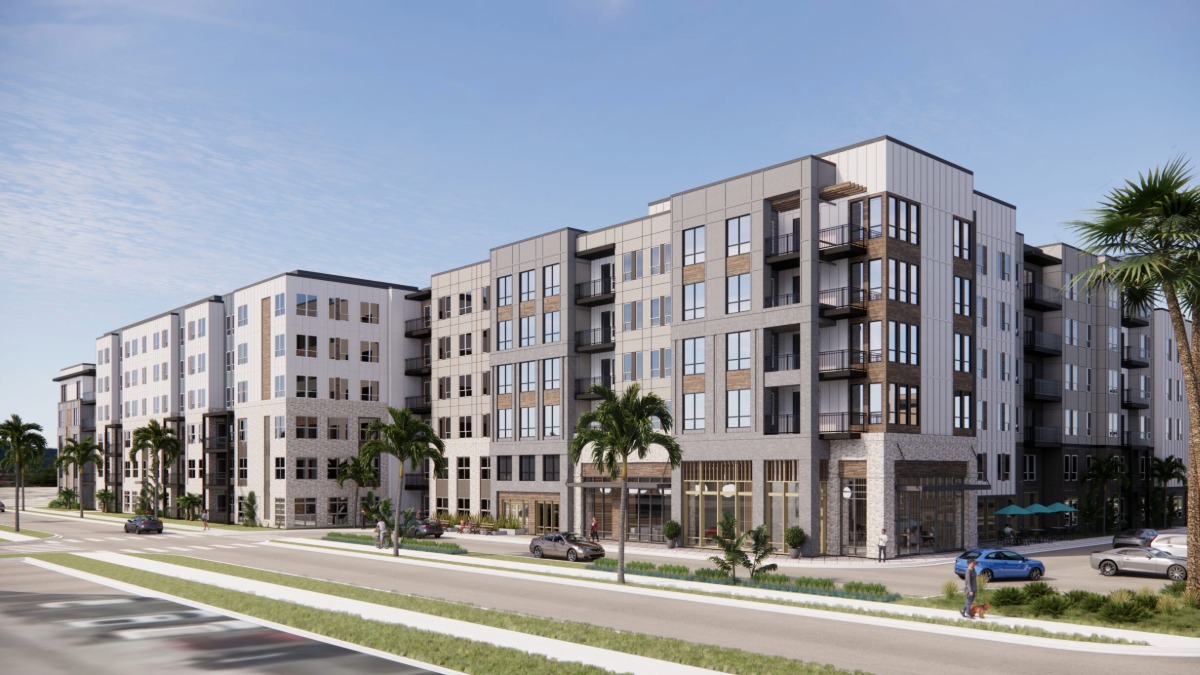
Landmark Properties has officially begun construction on The Mark Tampa, a six‑story luxury student community featuring over 800 beds, rooftop amenities, study spaces, retail, and modern unit layouts. Set to open before the 2027–2028 school year, the project signals strong investor confidence in North Tampa’s booming student housing market.
Florida’s property and auto insurance crisis is intensifying, setting the stage for a major political showdown ahead of the 2026 elections. Republicans argue recent reforms are finally stabilizing the market, while Democrats insist families are being crushed by soaring premiums and can’t wait for relief. With homeowners, condo associations, and insurers all feeling the pressure, lawmakers are preparing for one of the most consequential legislative battles in years.
Markets are betting heavily on a Federal Reserve rate cut in December, but that doesn’t guarantee lower mortgage rates. Even with an 85% chance of a cut priced in, mortgage rates move more with the 10‑year Treasury than the Fed itself — and recent history shows rates can rise even when the Fed eases. Today’s 6.43% average rate is the lowest in over a year, but still unpredictable, making financial readiness more important than trying to time the market.
Grand Junction is experiencing a powerful commercial real estate upswing, with 151 commercial units closed so far in 2025—a 36% jump from last year. Building permits are also up 23%, signaling expanding development momentum. Brokers say interest from national chains is accelerating the city’s evolution, bringing jobs, investment, and long‑term economic potential to Colorado’s Western Slope.
Nashville continues its rise as one of the nation’s most attractive real estate markets, landing the #6 spot in the Emerging Trends in Real Estate 2026 report from PwC and ULI. With strong demographic momentum, business expansion, and a development pipeline drawing national eyes, the city stands out amid shifting economic conditions. The report highlights fast‑growing sectors such as data centers, senior housing, and evolving office dynamics—offering real estate professionals valuable insight into where opportunities are emerging next.
Canada’s commercial real estate sector continues to evolve rapidly, with new data revealing major transactions, shifting investment patterns, and emerging economic signals across the country. From resilient retail spending to cooling construction and regional standouts like Montreal and the Prairies, this week’s CRE pulse—powered by Altus Group’s research team—gives real estate, mortgage, and finance professionals a sharp snapshot of the market forces to watch as 2025 winds down.