AI Outperforms Human Experts in Ovarian Cancer Detection
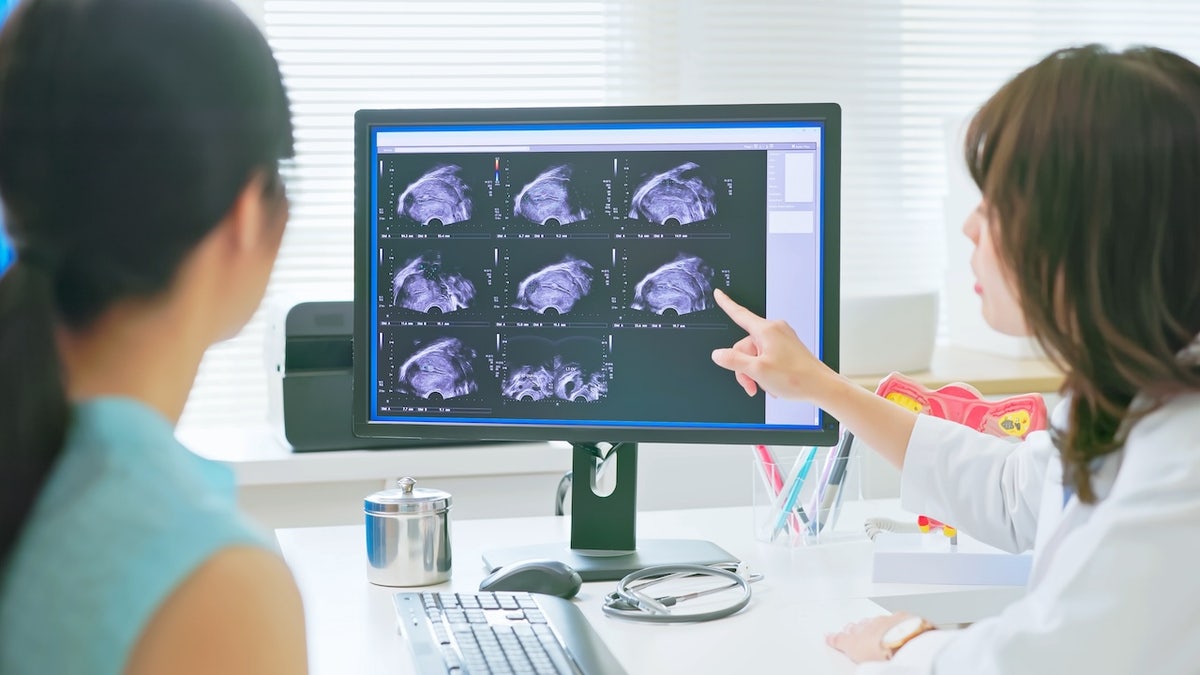
In a groundbreaking study led by researchers at the Karolinska Institutet in Sweden, artificial intelligence (AI) has demonstrated a remarkable ability to detect ovarian cancer, surpassing the accuracy of human doctors. This revelation, published in Nature Medicine, marks a significant advancement in the use of AI as a diagnostic tool.
The study involved training AI models on an extensive dataset of over 17,000 ultrasound images from 3,652 patients across 20 hospitals in eight countries. The AI achieved an accuracy rate of 86% in distinguishing between benign and malignant ovarian lesions. In comparison, human experts scored an accuracy of 82%, while less experienced examiners achieved 77%.
Study author Elisabeth Epstein, a professor at the Department of Clinical Science and Education at Karolinska Institutet, expressed her surprise at the AI’s performance, stating, “I was surprised that the AI models outperformed all 33 of the expert examiners.” This sentiment was echoed by other researchers who see AI as a promising tool to enhance diagnostic accuracy and efficiency.
Dr. Brian Slomovitz, director of gynecologic oncology at Mount Sinai Medical Center in Florida, described the early detection of ovarian cancer as the “holy grail” in reducing mortality rates. He noted that AI-driven support could improve the interpretation of ultrasound findings, reducing both false positives and negatives.
The potential of AI in medical diagnostics extends beyond just radiology. Factors such as menopausal status and blood test results could also be integrated into AI models, enhancing their diagnostic capability. However, experts like Dr. Harvey Castro caution that AI’s effectiveness hinges on access to diverse, high-quality data. He emphasized the need for further research to ensure AI’s adaptability to real-world clinical settings.
Epstein highlighted that while AI can significantly aid in diagnostics, it is not a replacement for human physicians. “It is still the physician who remains responsible for the patient’s diagnosis and treatment,” she stated.
The Karolinska Institutet team, in collaboration with the KTH Royal Institute of Technology, plans to initiate clinical studies at Stockholm South Hospital. This research was funded by several organizations, including the Swedish Research Council and the Swedish Cancer Society.
As AI continues to evolve, it holds the promise of transforming medical diagnostics, potentially leading to earlier cancer detection and improved patient outcomes. For more details, you can read the full article on WFIN.
More Articles
Getting licensed or staying ahead in your career can be a journey—but it doesn’t have to be overwhelming. Grab your favorite coffee or tea, take a moment to relax, and browse through our articles. Whether you’re just starting out or renewing your expertise, we’ve got tips, insights, and advice to keep you moving forward. Here’s to your success—one sip and one step at a time!
Flood insurance premiums across Florida are climbing fast, with more than 80% of NFIP policyholders seeing annual increases under FEMA’s Risk Rating 2.0. Some counties now face hikes exceeding $3,500 per year, adding pressure in a state where homeowners insurance already averages nearly $11,000 annually. As risk-based pricing takes hold and climate impacts intensify, Florida homeowners — and the real estate pros who advise them — must prepare for continued premium growth and major county‑to‑county disparities.
As insurers step into 2026, the property and casualty market shows its first signs of real stability after several turbulent years. Q4 results reveal disciplined underwriting, cooling rate hikes, and steady premium growth across major carriers. Commercial lines show selective momentum, personal lines begin to level out, and AI-driven efficiency becomes the industry’s new engine for profitability. With catastrophe losses moderating and tech adoption accelerating, professionals across insurance, real estate, and finance can expect a pivotal year—and an ideal moment to sharpen their skills through continuing education.
A new CBRE survey shows that most U.S. commercial real estate investors expect to increase their property purchases in 2026, signaling renewed confidence and market stabilization. Dallas remains the nation’s top target for the fifth straight year, followed by high‑growth metros like Atlanta, San Francisco, Miami, Charlotte, Raleigh‑Durham, Nashville, Tampa, Seattle, and New York City. These cities continue to draw strong investor interest due to population growth, business expansion, and robust development activity.
Florida Insurance Commissioner Michael Yaworsky says the state's turbulent property insurance market is finally calming, with Florida posting the lowest rate increases in the nation last year. Yet rising home replacement costs mean many homeowners won’t see relief in their premiums just yet. With Citizens Insurance shrinking, new legislative priorities emerging, and long‑term reforms taking hold, Florida’s real estate and insurance professionals are entering 2026 with cautious optimism and a clearer picture of what’s ahead.
A new CBRE survey shows investor optimism surging as 95% plan to buy more or the same amount of commercial real estate in 2026, with over half increasing their capital allocation. Stabilizing values, improving fundamentals, and expected relief in debt costs are driving renewed confidence, putting markets like Dallas, Atlanta, and Tampa in the spotlight as multifamily and industrial assets lead demand.
Artificial intelligence has moved from industry buzzword to essential mortgage‑lending tool, reshaping how loan officers work, communicate and compete. From smarter lead targeting to rapid content creation and CRM‑powered automation, AI is now the dividing line between lenders who scale efficiently and those stuck in manual workflows. This article breaks down why AI adoption is no longer optional, how top lenders are using it and what mortgage professionals must do now to stay competitive.