AI Outperforms Human Experts in Ovarian Cancer Detection
In a groundbreaking study led by researchers at the Karolinska Institutet in Sweden, artificial intelligence (AI) has demonstrated a remarkable ability to detect ovarian cancer, surpassing the accuracy of human doctors. This revelation, published in Nature Medicine, marks a significant advancement in the use of AI as a diagnostic tool.
The study involved training AI models on an extensive dataset of over 17,000 ultrasound images from 3,652 patients across 20 hospitals in eight countries. The AI achieved an accuracy rate of 86% in distinguishing between benign and malignant ovarian lesions. In comparison, human experts scored an accuracy of 82%, while less experienced examiners achieved 77%.
Study author Elisabeth Epstein, a professor at the Department of Clinical Science and Education at Karolinska Institutet, expressed her surprise at the AI’s performance, stating, “I was surprised that the AI models outperformed all 33 of the expert examiners.” This sentiment was echoed by other researchers who see AI as a promising tool to enhance diagnostic accuracy and efficiency.
Dr. Brian Slomovitz, director of gynecologic oncology at Mount Sinai Medical Center in Florida, described the early detection of ovarian cancer as the “holy grail” in reducing mortality rates. He noted that AI-driven support could improve the interpretation of ultrasound findings, reducing both false positives and negatives.
The potential of AI in medical diagnostics extends beyond just radiology. Factors such as menopausal status and blood test results could also be integrated into AI models, enhancing their diagnostic capability. However, experts like Dr. Harvey Castro caution that AI’s effectiveness hinges on access to diverse, high-quality data. He emphasized the need for further research to ensure AI’s adaptability to real-world clinical settings.
Epstein highlighted that while AI can significantly aid in diagnostics, it is not a replacement for human physicians. “It is still the physician who remains responsible for the patient’s diagnosis and treatment,” she stated.
The Karolinska Institutet team, in collaboration with the KTH Royal Institute of Technology, plans to initiate clinical studies at Stockholm South Hospital. This research was funded by several organizations, including the Swedish Research Council and the Swedish Cancer Society.
As AI continues to evolve, it holds the promise of transforming medical diagnostics, potentially leading to earlier cancer detection and improved patient outcomes. For more details, you can read the full article on WFIN.
More Articles
Getting licensed or staying ahead in your career can be a journey—but it doesn’t have to be overwhelming. Grab your favorite coffee or tea, take a moment to relax, and browse through our articles. Whether you’re just starting out or renewing your expertise, we’ve got tips, insights, and advice to keep you moving forward. Here’s to your success—one sip and one step at a time!
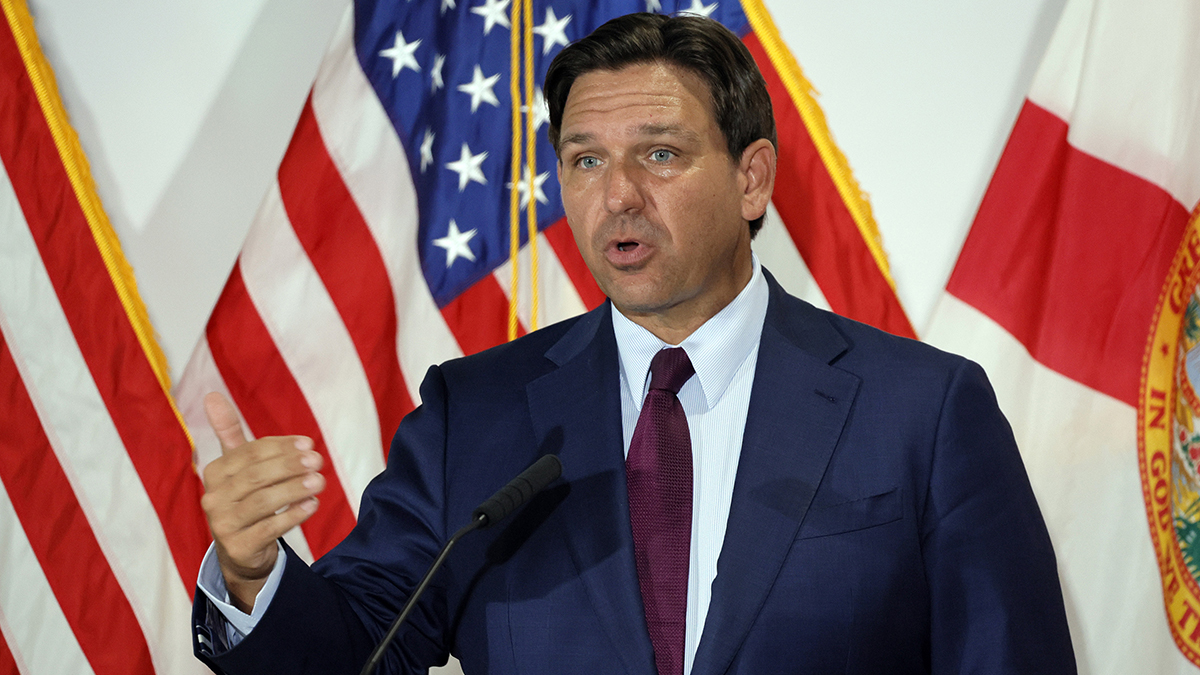
Florida homeowners — especially in hard‑hit South Florida — are set to see rare and substantial reductions in their property insurance premiums. Gov. Ron DeSantis announced an average statewide Citizens Insurance decrease of 8.7%, with even larger savings of up to 14% in counties like Miami-Dade, Broward, and Palm Beach. State officials credit recent legal and regulatory reforms for stabilizing the market, attracting new insurers, and delivering the first meaningful rate relief Floridians have seen in years.
Tampa’s commercial real estate market isn’t slowing—it’s maturing. With strong population growth, rising office demand, a normalized industrial sector, resurgent retail, and an emerging health‑care real estate boom, investors are shifting from speed to strategy. Tighter underwriting, cautious capital and increased due‑diligence are shaping a more disciplined market, creating new opportunities for informed professionals.
Florida homeowners are finally seeing relief as Citizens Property Insurance announces a major 8.7% average rate decrease—far larger than originally proposed. Driven by legislative reforms, fewer lawsuits, and a calm hurricane season, the state’s once‑unstable insurance market is showing real signs of recovery. But with reduced coverage limits and shifting legal protections, experts warn that lower premiums may come with hidden trade‑offs.
After a decade of rising premiums and retreating carriers, Florida homeowners are finally seeing long‑awaited relief. Dozens of insurers have filed for rate decreases—some as high as 11%—thanks to legislative reforms and a stabilizing market. Early approvals are already hitting counties across the state, and experts say the momentum could boost buyer confidence, affordability, and competition throughout Florida’s real estate and insurance sectors.
After years of slowed activity caused by rising interest rates, the self‑storage industry is heating up again. New data from Marcus & Millichap shows a fresh market cycle emerging, driven by renewed buyer confidence, recalibrated pricing, and stronger lender participation. Acquisitions are rebounding, development is resetting in a healthier direction, and financing conditions are improving—creating one of the most promising investment landscapes the sector has seen in years.
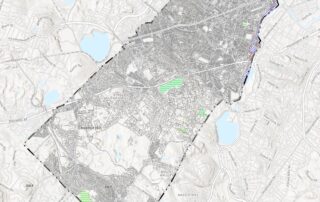
Brookline’s newly updated FEMA flood maps identify 97 high‑risk parcels, but local experts warn the true threat is far greater. While FEMA highlights river‑based flooding around Leverett Pond and the Muddy River, alternative models show more than 1,300 Brookline properties at risk within 30 years. Hidden vulnerabilities along major corridors like Beacon Street, rising rainfall intensity, aging infrastructure, and climate‑driven storm patterns suggest that many “low‑risk” areas may be anything but safe.