AI Medical Tools Revolutionize Healthcare Landscape

In a groundbreaking development, scientists at Wayne State University are pioneering artificial intelligence models to significantly reduce costs in complex drug design. This initiative focuses on creating new medications, particularly those involving complex drug types traditionally challenging to simulate.
Alice Walker, an assistant professor of chemistry at Wayne State, emphasized the potential of these AI models in a recent news release. “Most drug design is done with small organic molecules,” she explained, highlighting the difficulties with unusual drug scaffolds like sugars and fluorescent molecules. Her team aims to develop new computational techniques to address these challenges, potentially leading to breakthrough treatments with fewer side effects.

AI Outperforms Human Doctors in Diagnostics

A Stanford University study has revealed a remarkable achievement by ChatGPT-4, which scored a 92% accuracy rate in medical diagnostics, outperforming traditional physicians who scored 74%. This significant finding, published in JAMA Network Open, underscores the transformative potential of AI in healthcare.
Despite these advancements, the study noted that doctors with access to ChatGPT did not show substantial improvement in diagnostic reasoning, although they completed assessments more swiftly. Co-lead author Ethan Goh, a postdoctoral scholar at Stanford, remarked in a blog post that while AI won’t replace doctors, it could greatly enhance their capabilities.

Health Tech Sector Experiences Robust Growth

The health tech sector has witnessed a 12% rise in stocks in 2024, buoyed by substantial investments in AI, according to Bessemer Venture Partners’ annual report. The report highlights that AI-focused companies now attract 38% of venture capital in healthcare, with valuations soaring up to five times higher than their non-AI counterparts.
Despite this growth, early-stage funding challenges persist, with Series A companies taking 50% longer to secure capital compared to previous years. Bessemer partners Sofia Guerra and Steve Kraus noted the sector’s “remarkable adaptability and strength in the face of ongoing market challenges.”
For more insights on AI advancements, subscribe to the PYMNTS AI Newsletter.

More Articles

Getting licensed or staying ahead in your career can be a journey—but it doesn’t have to be overwhelming. Grab your favorite coffee or tea, take a moment to relax, and browse through our articles. Whether you’re just starting out or renewing your expertise, we’ve got tips, insights, and advice to keep you moving forward. Here’s to your success—one sip and one step at a time!

The AI Tipping Point: How Artificial Intelligence Is Rewriting the Real Estate Playbook

Artificial intelligence has shifted from a novelty to a defining force in real estate, transforming everything from listing creation to virtual staging while raising new legal and ethical risks. As AI adoption accelerates, experts warn that the agents who embrace automation and new tools now will gain a major competitive edge, while those who delay could fall behind in a rapidly evolving industry.

Want Job Security in the Age of AI? Get a State License

As AI and automation reshape the workforce, one form of career protection remains as powerful as ever: earning a state license. From real estate to trades to finance, licensed professionals stay in high demand because their work requires proven competence, accountability and human judgment—qualities technology can enhance but never replace. With trade enrollment surging, investor interest growing and licensing on the rise across the country, credentials have become a reliable path to stability, mobility and long-term earning potential.

AI Tools Are Transforming Agent‑Buyer Connections Ahead of 2026

A new wave of AI platforms is redefining how real estate agents identify buyer intent, spark conversations, and nurture relationships. From conversational home search engines to predictive opportunity alerts and relationship‑intelligence systems, these tools are helping agents connect sooner and smarter—reshaping daily workflows as the 2026 market approaches.

Texas Investors Fuel San Francisco’s Real Estate Revival

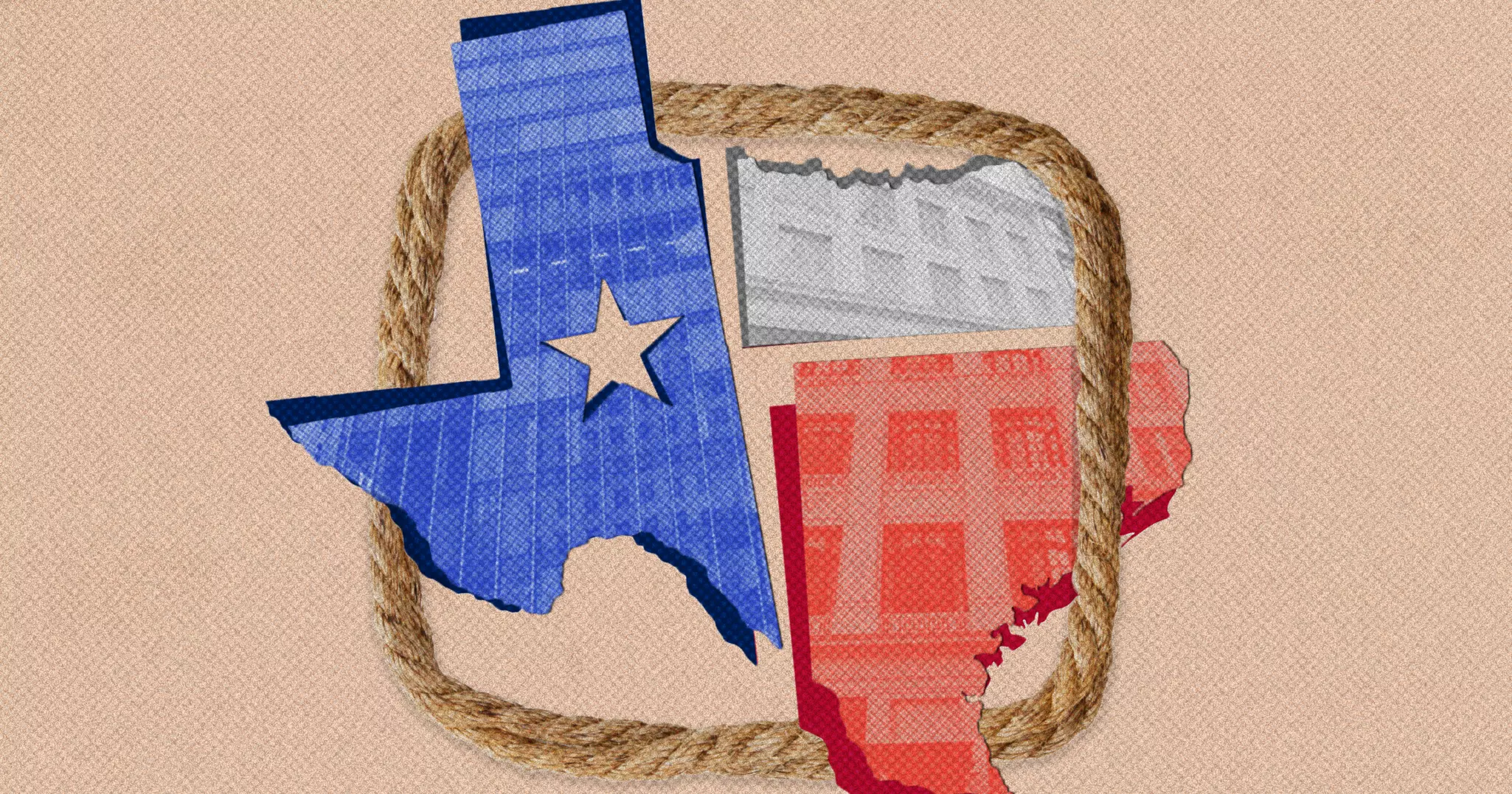
Texas money is riding hard into San Francisco, snapping up distressed downtown buildings at prices not seen in decades. From Union Square to California Street, major players like Lone Star Funds are betting big on the city’s rebound, signaling that the market may have finally hit bottom and that a new wave of opportunity is taking shape for savvy real estate professionals nationwide.

Holiday Spending Hits $1 Trillion—But CRE Experts Warn It May Be an Illusion

The 2025 holiday season is expected to break the $1 trillion sales mark, but economists say the milestone masks deeper consumer caution, income‑driven spending gaps, and weakening unit sales. Urban Land Magazine’s latest analysis shows how these mixed signals are shaping a selective, uneven landscape for U.S. commercial real estate heading into 2026—where strong locations thrive, weaker assets struggle, and affluent shoppers continue to dictate market performance.

Housing Market Predictions for 2026: Are Home Prices Finally Ready to Cool Off?

As 2025 ends, the housing market is inching toward balance with slower price growth, rising inventory, and steadier mortgage rates. Experts predict modest 1% to 2% home‑price growth in 2026—not a crash, but a calmer, more predictable market shaped by regional differences. With the Fed easing rates and inventory climbing in key cities, 2026 may become the most buyer‑friendly year in recent memory, especially for those prepared to act when the right home appears.