AI-Powered Excavators? Gravis Robotics Just Raised $23M to Transform Construction
Across the U.S., U.K., and Europe, cranes, excavators, and loaders are in high demand — but the humans trained to operate them are disappearing fast. With governments pushing massive renewable energy projects, tech giants racing to build AI‑ready data centers, and cities desperate for housing, the construction industry is facing a talent shortage that threatens to slow everything down.
Enter Gravis Robotics, a Zurich-based startup that just secured $23 million to bring AI-powered autonomy to construction sites around the world. The funding round, led by IQ Capital and Zacua Ventures, positions Gravis as one of the most ambitious players tackling the labor crunch through robotics and artificial intelligence.
The Talent Crisis Pushing Construction Toward Automation
The industry is approaching a breaking point: older operators are retiring, younger workers aren’t entering the field, and demand for massive infrastructure projects continues to climb. As Gravis CEO Ryan Luke Johns told Fortune,
“There’s a massive peak in demand for renewable, resilient infrastructure. We need more operators — and there just isn’t enough. It’s not a sexy job. It’s not a job that any young person really wants to go into.”
From wind farms to electric grids to AI‑powered data centers, the world’s future infrastructure is being built right now — but the skilled machinery operators needed to build it are becoming increasingly scarce.
Market Insight: The autonomous construction equipment market was valued at $8.8 billion in 2023 and is projected to grow more than 7.5% annually through 2032, according to Global Market Insights.
Turning Traditional Equipment Into Intelligent Machines
Rather than building new machines, Gravis retrofits existing excavators, loaders, and other heavy equipment with AI-driven sensors and camera systems. These upgrades enable full autonomy or remote guidance using the company’s Slate tablet.
“Our technology is actually bringing other young people to want to do this job,” Johns said. “Because you’re looking at a tablet instead of sitting behind joysticks.”
Trials are already underway in seven countries, with major partners including Holcim, Taylor Woodrow, and Hyundai. In the U.K., Gravis helped launch the country’s first autonomous excavation trial at Manchester Airport — a milestone for large‑scale adoption.
A Future of Human‑Robot Collaboration, Not Human Replacement
Despite its futuristic feel, Gravis isn’t aiming to eliminate human jobs. Instead, the vision is a hybrid workforce where humans control strategy and safety while AI handles repetitive, high‑risk, or precision tasks.
“The fastest path to autonomy is delivering productivity today,” said Johns. “By giving operators real-time 3D intelligence and the ability to shift seamlessly between autonomy and guided control, we accelerate adoption and build the data needed for even harder tasks.”
Investors echo this confidence. As IQ Capital partner Archie Muirhead put it,
“This huge and unserved market is ready now for autonomy.”
Where This Matters for Professionals — Including Real Estate
Autonomous heavy machinery reshapes everything from construction timelines to real estate development cycles. Faster, safer excavation means shorter project durations — directly impacting developers, investors, brokers, planners, and insurance professionals.
For anyone building a career in real estate, construction management, infrastructure, insurance, or adjacent industries, understanding innovations like Gravis Robotics is becoming essential.
And if you’re advancing your professional journey, Cameron Academy is dedicated to keeping you ahead — with licensing, continuing education, and advanced professional training across real estate, mortgage, insurance, and more.
The Competitive Landscape
Gravis enters a field shared with giants like Caterpillar, Komatsu, and Volvo, as well as rising robotics natives such as Built Robotics. Competition is intensifying — but so is global demand.
Regulatory complexities and high upfront equipment costs remain obstacles, yet momentum toward AI-assisted construction is accelerating rapidly.
The Bottom Line
Gravis Robotics’ $23 million raise marks a pivotal moment for the future of global infrastructure. As technology transforms how we build, develop, insure, and invest, the professionals who stay informed — and stay educated — will lead the next generation of growth.
And that’s the future Cameron Academy is here to equip you for.
More Articles
Getting licensed or staying ahead in your career can be a journey—but it doesn’t have to be overwhelming. Grab your favorite coffee or tea, take a moment to relax, and browse through our articles. Whether you’re just starting out or renewing your expertise, we’ve got tips, insights, and advice to keep you moving forward. Here’s to your success—one sip and one step at a time!
Remote work is dramatically reshaping real estate trends in India. By understanding and adapting to these shifts, investors can make savvy decisions, aligning their strategies with this evolving landscape and capitalizing on the burgeoning opportunities that remote working presents.
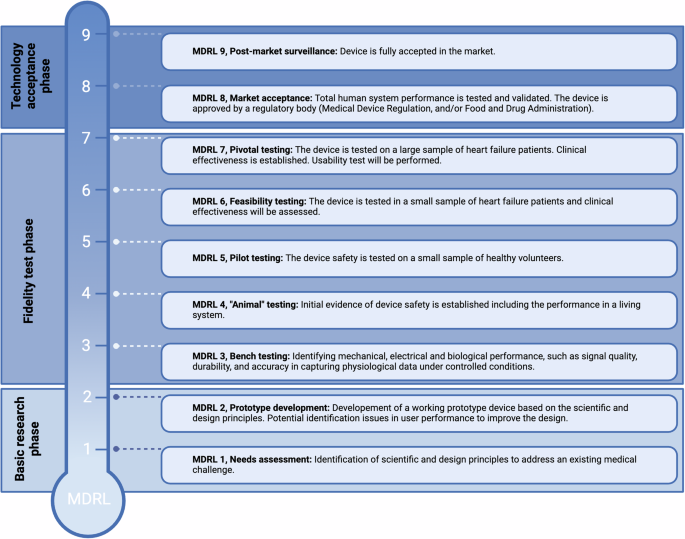
Wearable technologies are emerging as a beacon of hope for heart failure (HF) management, promising a future where patient care is not just reactive but proactive. As reported in a recent Nature article, these devices are poised to transform how we monitor and manage HF patients.
In a landmark event in April 2024, the State and Local Electric Vehicle Workforce Collaborative convened in Washington, D.C., highlighting the transformative potential of federal investments in electric vehicle infrastructure, particularly in underserved communities.
Risk managers are increasingly using parametric insurance to strengthen traditional programs and to better match capital to risk from natural disasters.
This "green revolution" is marked by the integration of green data fields in the Multiple Listing Service (MLS), which now features prominently in 40% of listings. This shift enhances awareness among potential buyers about eco-friendly home features, promoting healthier living environments.
In the ever-evolving landscape of healthcare, Artificial Intelligence (AI) is emerging as more than just a tool—it's a transformative force reshaping the industry. Visionaries like Vinod Khosla have long predicted AI's potential to revolutionize healthcare, and that potential is now being realized.