AI-Powered Excavators? Gravis Robotics Just Raised $23M to Transform Construction
Across the U.S., U.K., and Europe, cranes, excavators, and loaders are in high demand — but the humans trained to operate them are disappearing fast. With governments pushing massive renewable energy projects, tech giants racing to build AI‑ready data centers, and cities desperate for housing, the construction industry is facing a talent shortage that threatens to slow everything down.
Enter Gravis Robotics, a Zurich-based startup that just secured $23 million to bring AI-powered autonomy to construction sites around the world. The funding round, led by IQ Capital and Zacua Ventures, positions Gravis as one of the most ambitious players tackling the labor crunch through robotics and artificial intelligence.
The Talent Crisis Pushing Construction Toward Automation
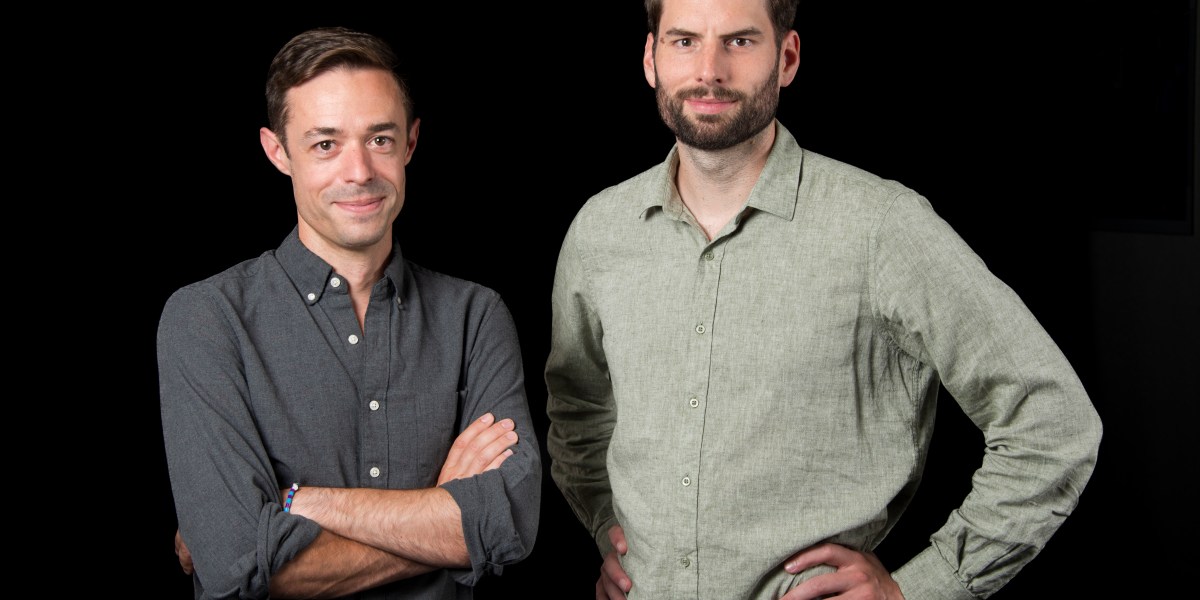
The industry is approaching a breaking point: older operators are retiring, younger workers aren’t entering the field, and demand for massive infrastructure projects continues to climb. As Gravis CEO Ryan Luke Johns told Fortune,
“There’s a massive peak in demand for renewable, resilient infrastructure. We need more operators — and there just isn’t enough. It’s not a sexy job. It’s not a job that any young person really wants to go into.”
From wind farms to electric grids to AI‑powered data centers, the world’s future infrastructure is being built right now — but the skilled machinery operators needed to build it are becoming increasingly scarce.
Market Insight: The autonomous construction equipment market was valued at $8.8 billion in 2023 and is projected to grow more than 7.5% annually through 2032, according to Global Market Insights.
Turning Traditional Equipment Into Intelligent Machines
Rather than building new machines, Gravis retrofits existing excavators, loaders, and other heavy equipment with AI-driven sensors and camera systems. These upgrades enable full autonomy or remote guidance using the company’s Slate tablet.
“Our technology is actually bringing other young people to want to do this job,” Johns said. “Because you’re looking at a tablet instead of sitting behind joysticks.”
Trials are already underway in seven countries, with major partners including Holcim, Taylor Woodrow, and Hyundai. In the U.K., Gravis helped launch the country’s first autonomous excavation trial at Manchester Airport — a milestone for large‑scale adoption.
A Future of Human‑Robot Collaboration, Not Human Replacement
Despite its futuristic feel, Gravis isn’t aiming to eliminate human jobs. Instead, the vision is a hybrid workforce where humans control strategy and safety while AI handles repetitive, high‑risk, or precision tasks.
“The fastest path to autonomy is delivering productivity today,” said Johns. “By giving operators real-time 3D intelligence and the ability to shift seamlessly between autonomy and guided control, we accelerate adoption and build the data needed for even harder tasks.”
Investors echo this confidence. As IQ Capital partner Archie Muirhead put it,
“This huge and unserved market is ready now for autonomy.”
Where This Matters for Professionals — Including Real Estate
Autonomous heavy machinery reshapes everything from construction timelines to real estate development cycles. Faster, safer excavation means shorter project durations — directly impacting developers, investors, brokers, planners, and insurance professionals.
For anyone building a career in real estate, construction management, infrastructure, insurance, or adjacent industries, understanding innovations like Gravis Robotics is becoming essential.
And if you’re advancing your professional journey, Cameron Academy is dedicated to keeping you ahead — with licensing, continuing education, and advanced professional training across real estate, mortgage, insurance, and more.
The Competitive Landscape
Gravis enters a field shared with giants like Caterpillar, Komatsu, and Volvo, as well as rising robotics natives such as Built Robotics. Competition is intensifying — but so is global demand.
Regulatory complexities and high upfront equipment costs remain obstacles, yet momentum toward AI-assisted construction is accelerating rapidly.
The Bottom Line
Gravis Robotics’ $23 million raise marks a pivotal moment for the future of global infrastructure. As technology transforms how we build, develop, insure, and invest, the professionals who stay informed — and stay educated — will lead the next generation of growth.
And that’s the future Cameron Academy is here to equip you for.
More Articles
Getting licensed or staying ahead in your career can be a journey—but it doesn’t have to be overwhelming. Grab your favorite coffee or tea, take a moment to relax, and browse through our articles. Whether you’re just starting out or renewing your expertise, we’ve got tips, insights, and advice to keep you moving forward. Here’s to your success—one sip and one step at a time!
Florida families are feeling the squeeze as everyday costs, insurance premiums, and homeownership barriers continue to climb. House District 102 candidate Jayden D’Onofrio is calling for a broader, more unified affordability strategy—one that tackles the state’s insurance crisis, supports first‑time homebuyers, and restores real competition in the market. His message centers on transparency, practical solutions, and keeping Florida livable for the professionals, workers, and families who power its economy.
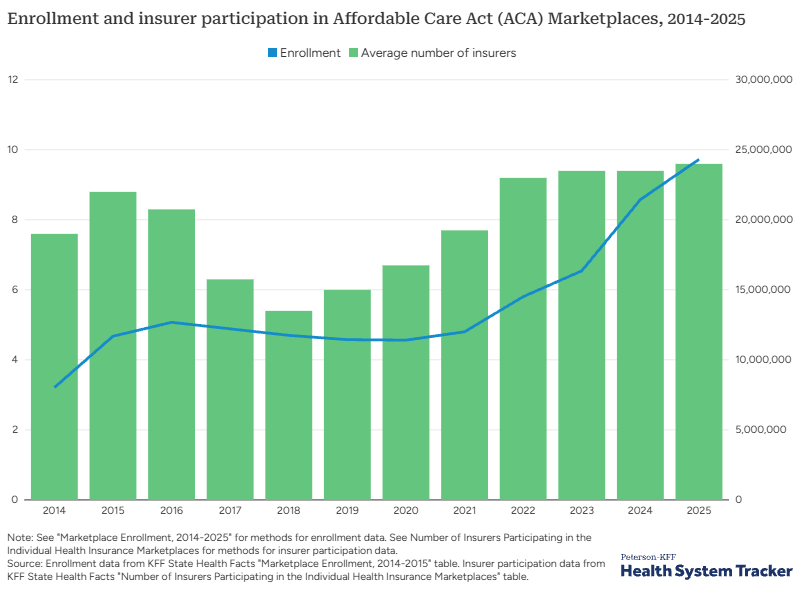
A decade of dramatic change is reshaping America’s health insurance markets. Employer group plans are becoming increasingly dominated by a few powerful insurers, while the ACA individual marketplace is experiencing record‑breaking competition and enrollment. Self‑funded plans are surging, small‑group premiums are driving employers to new coverage models, and major policy shifts in 2025 could redefine affordability for millions. This data‑driven Peterson‑KFF analysis breaks down the trends every insurance, finance, and business professional needs to understand as the industry enters a transformative new era.
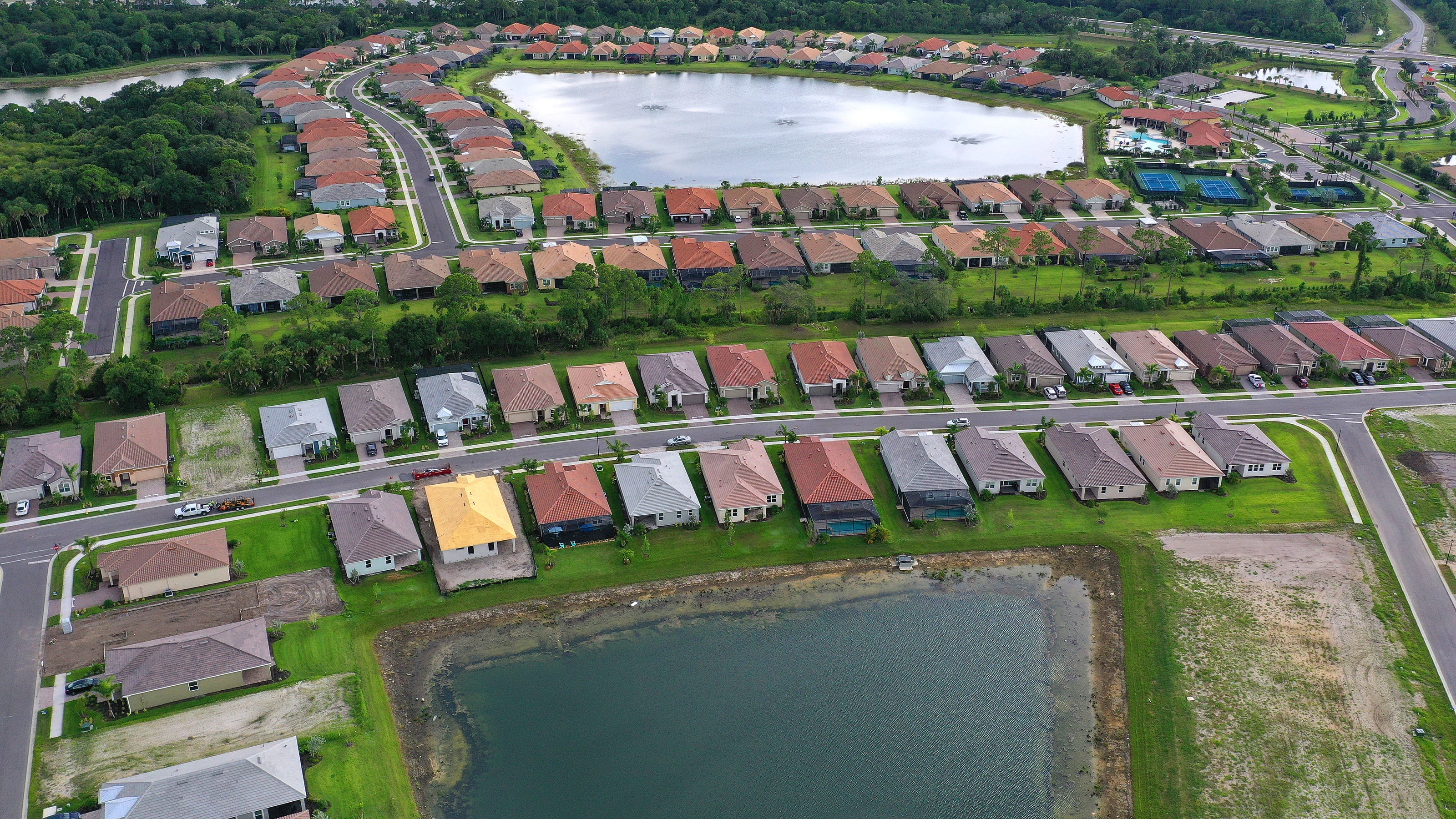
Sarasota County is inching closer to approving Winchester Ranch, a massive 8,999‑home community planned for more than 3,100 acres in North Port. With a 7‑1 vote from the Planning Commission and a final decision expected in early 2026, the project could become one of Southwest Florida’s largest developments in decades—bringing new housing, commercial space, and industry while raising fresh questions about growth, the environment, and the region’s rapidly evolving real estate market.
Lument Finance Trust has closed a major $663.8 million commercial real estate CLO, marking one of the standout CRE finance deals of 2025. The transaction, LMNT 2025-FL3, features a strong reinvestment period, non‑recourse and non‑mark‑to‑market financing, and a diversified pool of 32 loans tied to 49 properties nationwide. With J.P. Morgan leading the structuring and more than $585 million placed in investment‑grade securities, the deal highlights renewed stability in transitional CRE debt—making it a development real estate and finance professionals will want to watch closely.
Walmart has partnered with Alquist 3D to roll out the nation’s first large‑scale wave of 3D‑printed commercial buildings, signaling a major shift in how future retail and industrial spaces will be constructed. After completing an 8,000‑square‑foot 3D‑printed expansion in Tennessee—the largest of its kind—the company is moving forward with over a dozen new projects nationwide, accelerating a tech‑driven transformation in commercial real estate.
Citizens Property Insurance Corp. is recommending statewide rate reductions for 2026—the first proposed decrease in more than a decade. Most Citizens policyholders could see an average 11.5% drop, reflecting recent insurance‑market reforms that have stabilized Florida’s turbulent property sector. With hundreds of thousands of policies moving back to private insurers and state‑backed Citizens shrinking to record‑low enrollment, real estate and insurance professionals should prepare for how lower premiums may influence affordability, buyer confidence, and market activity heading into 2026.