AI Is Here — But Who Gets to Regulate It?

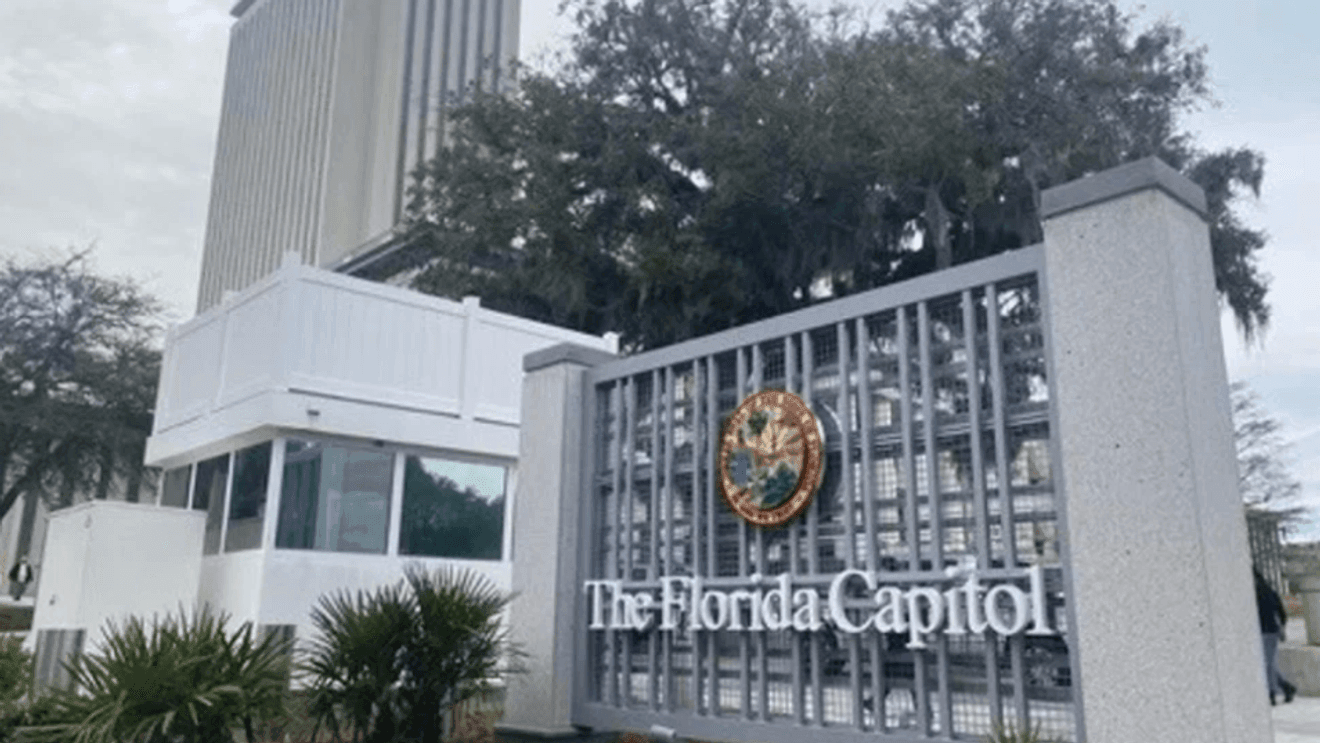
Ai over capitol

Artificial intelligence isn’t just arriving — it’s already reshaping the insurance industry in ways both powerful and controversial. As insurers race forward with advanced technologies, a new question emerges: Who sets the rules? State regulators… or the federal government?

Our friends at InsuranceNewsNet unpacked this growing tension in their in‑depth feature. You can read their original reporting here: AI Is Here, But Who Will Regulate It?.

Insurance’s AI Explosion

AI adoption is accelerating at a remarkable pace across every major insurance sector. According to the NAIC, usage is active or planned at the following rates:

Health insurers: 92%
Auto insurers: 88%
Home insurers: 70%
Life insurers: 58%

With over 90% of insurance executives identifying AI as a top strategic priority, the industry is entering a transformational phase. But with transformation comes urgent questions about fairness, bias, privacy, and how deeply algorithms should influence financial and personal decisions.

NAIC’s Slow, Careful Steps

The NAIC has begun building a framework for oversight. Their late‑2023 Model Bulletin on AI and algorithms outlines best practices for testing predictive systems for fairness and discrimination.

However — there’s a catch. This bulletin only applies in states that choose to adopt it, giving it little uniform enforcement power.

A New AI Evaluation Tool

To strengthen oversight, the NAIC’s Big Data and Artificial Intelligence Working Group is developing an AI Systems Evaluation Tool. This next‑generation framework will help regulators deeply assess how insurers use AI, especially in areas that affect consumer rights.

A pilot is scheduled for 2026 with ten insurers. Once complete, regulators will refine the tool based on what they learn.

“At the conclusion of the pilot period, we’ll then hear from the pilot group and consider lessons learned,” said Iowa Insurance Commissioner Doug Ommen. “The pilot itself will be very instructive.”

The Federal Government Steps In

A major twist emerged when President Donald Trump signed the executive order “Ensuring a National Policy Framework for Artificial Intelligence.” This order seeks to centralize AI regulation at the federal level — even above state authority.

Colorado’s groundbreaking AI Act was explicitly cited as an example of why the White House believes states may pose barriers to national innovation.

But this federal involvement threatens to reshape decades of state‑driven insurance regulation — and state leaders are pushing back hard.

Pushback From the States

State regulators argue that they are — and must remain — the primary overseers of the insurance industry. NAIC and NCOIL quickly issued strong statements criticizing the federal move, warning it could cause:

  • Delays in consumer protections
  • Obstacles in addressing discriminatory practices
  • Confusion across established regulatory systems
  • Disruption to underwriting and claims workflows

Legal scholars also doubt that federal preemption will hold up in court, suggesting this debate is just beginning.

Why This Matters for Professionals

Professionals across insurance, risk management, finance, and related sectors are stepping into a future where AI will influence nearly every workflow. Keeping up with evolving regulations isn’t just helpful — it’s essential for protecting your career and your clients.

That’s why institutions like Cameron Academy remain committed to empowering professionals with cutting‑edge licensing education across insurance, real estate, mortgage, finance, medical fields, and more. In an era of rapid AI‑driven change, staying informed is your competitive edge.

Original reporting by journalist John Hilton of InsuranceNewsNet. Follow the author here: John Hilton.

More Articles

Getting licensed or staying ahead in your career can be a journey—but it doesn’t have to be overwhelming. Grab your favorite coffee or tea, take a moment to relax, and browse through our articles. Whether you’re just starting out or renewing your expertise, we’ve got tips, insights, and advice to keep you moving forward. Here’s to your success—one sip and one step at a time!

Title Insurance Leaders Double Down on Tech and Efficiency to Drive 2026 Market Momentum

The title insurance industry is entering 2026 with a renewed focus on technology, operational efficiency, and stronger agent support after years of volatility. Leaders from major underwriters report rising transaction activity, improved affordability, and a surge in automation and fraud‑prevention tools—signs that smarter systems and better training will define the next wave of growth.

Mortgage CEO Barred in 21 States After Major Education Fraud Settlement

A multistate crackdown has sent shockwaves through the mortgage industry as Patrick Terrance Donlon, CEO of Trusted American Mortgage, accepted a sweeping settlement that bans him from working as a mortgage loan originator in 21 states—19 of them permanently. Regulators say Donlon had another individual complete his mandatory licensing and continuing‑education courses, a violation that triggered a coordinated investigation and a $31,000 penalty. The case underscores regulators’ growing intolerance for education fraud and serves as a sharp reminder to industry professionals: cutting corners on licensing can end careers.

Florida’s Real Estate Slowdown: How Insurance Costs Are Reshaping the Market

Florida’s once‑booming housing market is cooling fast as rising insurance premiums, increasing foreclosures, and expanding flood zones push buyers to back out of deals and force sellers to cut prices. With insurance now adding thousands to annual housing costs, professionals across real estate, mortgage, and insurance are navigating a dramatically shifting landscape that’s redefining affordability in the Sunshine State.

New Florida Laws Taking Effect January 1, 2026: Key Changes Every Professional Should Know

Florida begins 2026 with a wave of more than 250 new laws now in effect, impacting healthcare, insurance, real estate, and consumer protections statewide. From free breast cancer screenings for state employees to tighter pet insurance regulations, mandatory healthcare refund rules, enhanced animal‑cruelty penalties, and new condo‑management requirements, these updates carry major implications for professionals navigating Florida’s evolving regulatory landscape.

Florida’s Barrier Islands: Why Paradise Living Comes With Sky‑High Risks for Homeowners and Agents

Florida’s barrier islands may offer postcard-perfect beaches and soaring real estate demand, but they’re also some of the most fragile and costly places to build in the United States. With 765,000 residents living on land that shifts, sinks, and takes the brunt of every major hurricane, the financial and insurance risks are accelerating fast. From billion‑dollar beach rebuilds to towers settling into the sand, today’s coastal development challenges are reshaping conversations around property values, disclosure, and long‑term resilience. For real estate professionals, understanding these risks isn’t just smart — it’s becoming essential.

Cedar City Builder Redefines Affordable Housing With Luxury‑Style Twin Homes

A Cedar City development is turning heads with its fresh approach to affordability. The team behind Temple View Commons is delivering luxury‑inspired twin homes at prices below the local median by using a small, hands‑on staff and cutting traditional costs like realtor commissions. In a tight Utah housing market where inventory is scarce and prices remain high, their strategy offers a realistic path to homeownership without sacrificing high‑end finishes.