AI Is Here — But Who Gets to Regulate It?

Ai over capitol

Artificial intelligence isn’t just arriving — it’s already reshaping the insurance industry in ways both powerful and controversial. As insurers race forward with advanced technologies, a new question emerges: Who sets the rules? State regulators… or the federal government?

Our friends at InsuranceNewsNet unpacked this growing tension in their in‑depth feature. You can read their original reporting here: AI Is Here, But Who Will Regulate It?.

Insurance’s AI Explosion

AI adoption is accelerating at a remarkable pace across every major insurance sector. According to the NAIC, usage is active or planned at the following rates:

Health insurers: 92%
Auto insurers: 88%
Home insurers: 70%
Life insurers: 58%

With over 90% of insurance executives identifying AI as a top strategic priority, the industry is entering a transformational phase. But with transformation comes urgent questions about fairness, bias, privacy, and how deeply algorithms should influence financial and personal decisions.

NAIC’s Slow, Careful Steps

The NAIC has begun building a framework for oversight. Their late‑2023 Model Bulletin on AI and algorithms outlines best practices for testing predictive systems for fairness and discrimination.

However — there’s a catch. This bulletin only applies in states that choose to adopt it, giving it little uniform enforcement power.

A New AI Evaluation Tool

To strengthen oversight, the NAIC’s Big Data and Artificial Intelligence Working Group is developing an AI Systems Evaluation Tool. This next‑generation framework will help regulators deeply assess how insurers use AI, especially in areas that affect consumer rights.

A pilot is scheduled for 2026 with ten insurers. Once complete, regulators will refine the tool based on what they learn.

“At the conclusion of the pilot period, we’ll then hear from the pilot group and consider lessons learned,” said Iowa Insurance Commissioner Doug Ommen. “The pilot itself will be very instructive.”

The Federal Government Steps In

A major twist emerged when President Donald Trump signed the executive order “Ensuring a National Policy Framework for Artificial Intelligence.” This order seeks to centralize AI regulation at the federal level — even above state authority.

Colorado’s groundbreaking AI Act was explicitly cited as an example of why the White House believes states may pose barriers to national innovation.

But this federal involvement threatens to reshape decades of state‑driven insurance regulation — and state leaders are pushing back hard.

Pushback From the States

State regulators argue that they are — and must remain — the primary overseers of the insurance industry. NAIC and NCOIL quickly issued strong statements criticizing the federal move, warning it could cause:

  • Delays in consumer protections
  • Obstacles in addressing discriminatory practices
  • Confusion across established regulatory systems
  • Disruption to underwriting and claims workflows

Legal scholars also doubt that federal preemption will hold up in court, suggesting this debate is just beginning.

Why This Matters for Professionals

Professionals across insurance, risk management, finance, and related sectors are stepping into a future where AI will influence nearly every workflow. Keeping up with evolving regulations isn’t just helpful — it’s essential for protecting your career and your clients.

That’s why institutions like Cameron Academy remain committed to empowering professionals with cutting‑edge licensing education across insurance, real estate, mortgage, finance, medical fields, and more. In an era of rapid AI‑driven change, staying informed is your competitive edge.

Original reporting by journalist John Hilton of InsuranceNewsNet. Follow the author here: John Hilton.


More Articles

Getting licensed or staying ahead in your career can be a journey—but it doesn’t have to be overwhelming. Grab your favorite coffee or tea, take a moment to relax, and browse through our articles. Whether you’re just starting out or renewing your expertise, we’ve got tips, insights, and advice to keep you moving forward. Here’s to your success—one sip and one step at a time!

Malware Trends 2025: The New Era of Subscription‑Based Cybercrime

Cybercrime in 2025 has evolved into a full‑scale service economy, with malware now available through subscription platforms that operate like mainstream tech businesses. Bitsight’s latest analysis reveals explosive growth in Malware‑as‑a‑Service tools, rising attacks across industries like healthcare, finance, tech, and real estate, and a surge in cross‑platform malware and supply‑chain exploits. For professionals in any licensed field, the message is clear: today’s digital landscape demands heightened vigilance, stronger identity security, and proactive defense against an increasingly organized underground threat environment.

The Proptech Revolution: How Gllit Is Making Real Estate Transactions as Simple as Booking a Flight

A new proptech startup in the UAE, Gllit is redefining how property deals happen by removing agents, eliminating commissions, and integrating AI tools that let users create professional listings in seconds. With a fast, transparent, and direct-to-owner model, Gllit offers a glimpse into the future of global real estate — and a powerful case study for U.S. professionals preparing for tech-driven changes in the industry.

2026 Housing Market Outlook: What Buyers, Renters, and Agents Need to Know

The 2026 housing market is shaping up to be a year of stability with a few surprises. Mortgage rates are expected to hold steady, home price growth is slowing, and yet ownership costs continue to rise due to soaring taxes and insurance. Meanwhile, renting is becoming more attractive as affordability improves and built‑to‑rent communities expand. This breakdown highlights the biggest trends ahead — and what they mean for buyers, sellers, and real estate professionals, especially in Florida.

Florida Homeowners Slammed by Soaring Insurance Costs as Lawmakers Push for Major Reform

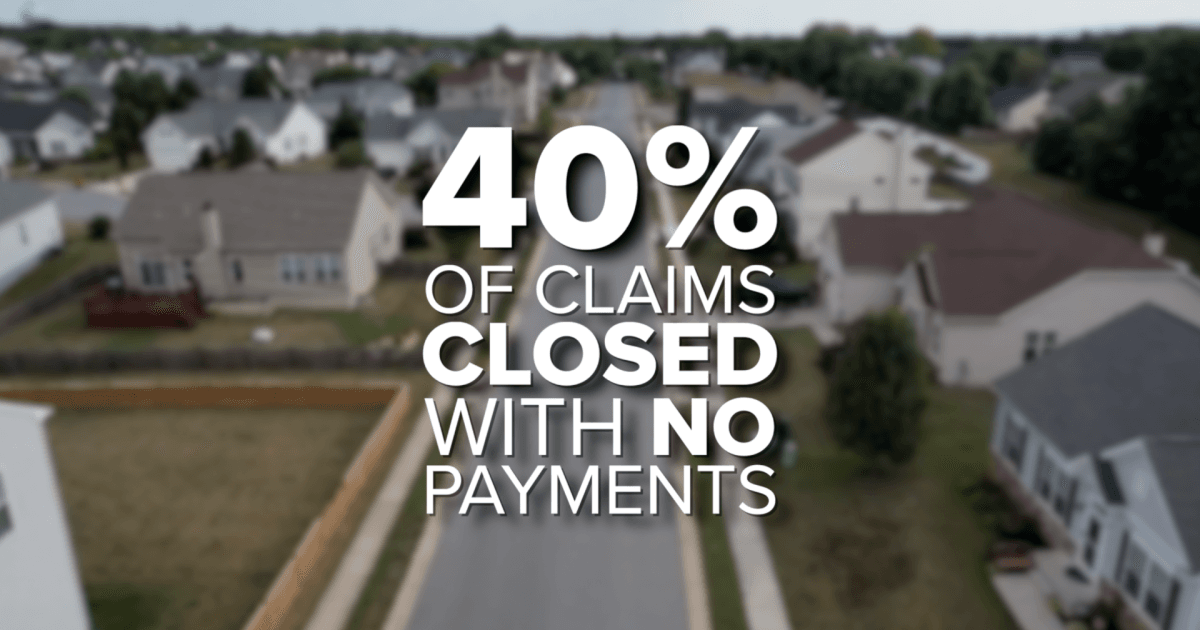
Florida homeowners are facing some of the highest insurance premiums in the nation, with average costs now topping $5,800 per year—about $3,000 above the U.S. average. Many residents report their rates have doubled or even tripled, while more than 40 percent of claims are closed with no payment. As frustration grows, state lawmakers and consumer advocates are pushing for transparency, rate caps, and incentives to help storm‑proof homes. The outcome of these reform efforts could reshape Florida’s real estate market, insurance landscape, and affordability for years to come.

Are Insurance Leaders Stuck in Silos? New Global Study Exposes a Hidden Weakness in Decision‑Making

A new global study from Risk.net and SAS reveals that many insurance companies are still making key decisions in isolated silos, despite industry-wide pushes toward data-driven strategies. While most leaders claim to have a clear vision, 38 percent admit they lack a real-time view of risks, revenue and costs. With poor data quality, limited collaboration and outdated processes holding teams back, experts say the industry is poised for a major transformation through AI, analytics and unified strategy—offering lessons for professionals across insurance, real estate, finance and other regulated fields.

Atlanta Housing Market Outlook 2025–2026: Stability, Rising Inventory, and What It Means for You

Atlanta’s housing market is shifting into a more balanced and predictable phase. Prices have leveled off, inventory has finally caught up, and mortgage rates are easing enough to bring buyers back into the game. With steady demand, growing listings, and only mild price corrections forecasted into 2026, Atlanta remains one of the Southeast’s strongest real estate markets for buyers, sellers, and investors alike.