The AI Revolution in Oncology: Transformative Potential or Overhyped?


In recent years, artificial intelligence (AI) has emerged as a revolutionary tool in the field of oncology. While initial fears suggested a nearing AI bubble, experts like Ghazenfer Mansoor of Technology Rivers clarify that it’s a misalignment of expectations versus actual industry contributions. AI’s integration into healthcare transcends buzzwords, transforming cancer diagnosis, treatment personalization, and drug discovery.

AI in Cancer Detection


Ryan Schoenfeld of the Mark Foundation for Cancer Research emphasizes AI’s leap in oncology diagnostics, particularly in radiology. AI’s precision and speed in analysis can enhance early cancer detection. In contrast, Philip Lieberman of Analog Informatics notes AI’s consistency over human capability, especially in underserved or rural areas. Jeffery Sorenson highlights AI’s prowess in predictive medicine, surpassing traditional diagnostic goals.
For example, Mayo Clinic has pioneered a hypothesis-driven AI tool improving cancer diagnostics by integrating clinical, radiology, and genomic data. As a result, AI-enhanced precision in treatment strategies is becoming more evident, as exemplified by liquid biopsy advancements at Weill Cornell Medicine and Johns Hopkins, which have marked improvements in earlier cancer detection.

AI in Drug Discovery and Development


AI is also a game-changer in drug discovery. Tools like DeepMind’s AlphaFold have accelerated the identification of novel cancer therapeutics. AlphaFold’s prediction of over 200 million proteins has profoundly influenced oncology research. Moreover, drugs like BBO-8520 and collaborations between Evotec and Exscientia have reached trial phases much faster due to AI’s efficiency.

Movements Toward Precision Oncology


AI’s capacity to create highly personalized treatments, as described by Jason Williams, could surpass traditional methods. Multi-faceted data integration, including genetics and tumor profiling, allows AI to craft individualized treatment plans. Recent studies from Oxford University and Evaxion Biotech demonstrate AI’s capability in creating adaptive therapies and personalized vaccines.

Challenges and Future Prospects


Despite its potential, deploying AI in oncology faces regulatory hurdles and ethical considerations, particularly around data bias and transparency. The evolution of regulations, like the European Commission’s AI Liability Directive and FDA’s AI/ML plan, remains a work in progress. Ghazenfer Mansoor stresses the need for regulatory frameworks that encourage innovation without stifling progress.

Looking Forward


Industry experts are optimistic about AI’s trajectory in oncology. Areas such as predicting immune responses, designing therapeutic proteins, and leveraging large language models for analytics hold significant promise. The fusion of AI with biological computing may streamline and personalize cancer treatment, promising a brighter future in oncology as we refine AI’s potential to truly revolutionize cancer care.
The AI revolution in oncology is here, and while tempered expectations may facilitate a more sustainable integration, the road ahead is undeniably transformative.


More Articles

Getting licensed or staying ahead in your career can be a journey—but it doesn’t have to be overwhelming. Grab your favorite coffee or tea, take a moment to relax, and browse through our articles. Whether you’re just starting out or renewing your expertise, we’ve got tips, insights, and advice to keep you moving forward. Here’s to your success—one sip and one step at a time!

Massachusetts Investment Firm Makes Strategic Move Into Connecticut With $3.65M Red Robin-Anchored Purchase

Newman Properties, a Massachusetts-based investment firm, has expanded its footprint into Connecticut with the $3.65 million acquisition of a 6,350‑square‑foot retail building in Enfield. Anchored by national restaurant chain Red Robin, the property offers the type of stable tenancy investors seek when entering new markets. The deal underscores growing confidence in anchored retail assets and provides a valuable real-world example for real estate professionals studying market analysis, investment strategy, and portfolio expansion.

JPMorgan Flags a Sunbelt Slowdown as Florida and Texas See Sharp Home Price Drops

JPMorgan now expects national home prices to flatten in 2026, but the Sunbelt is telling a very different story. Florida home values are down 5.1%, Texas is down 2.4%, and analysts warn that years of rapid building are finally catching up to the region. As demand stabilizes and inventory swells, real estate professionals — especially in Florida — face a market full of challenges, opportunities, and critical timing decisions.

AI Is Reshaping Mortgage Underwriting in 2026 as Industry Pros Brace for Major Change

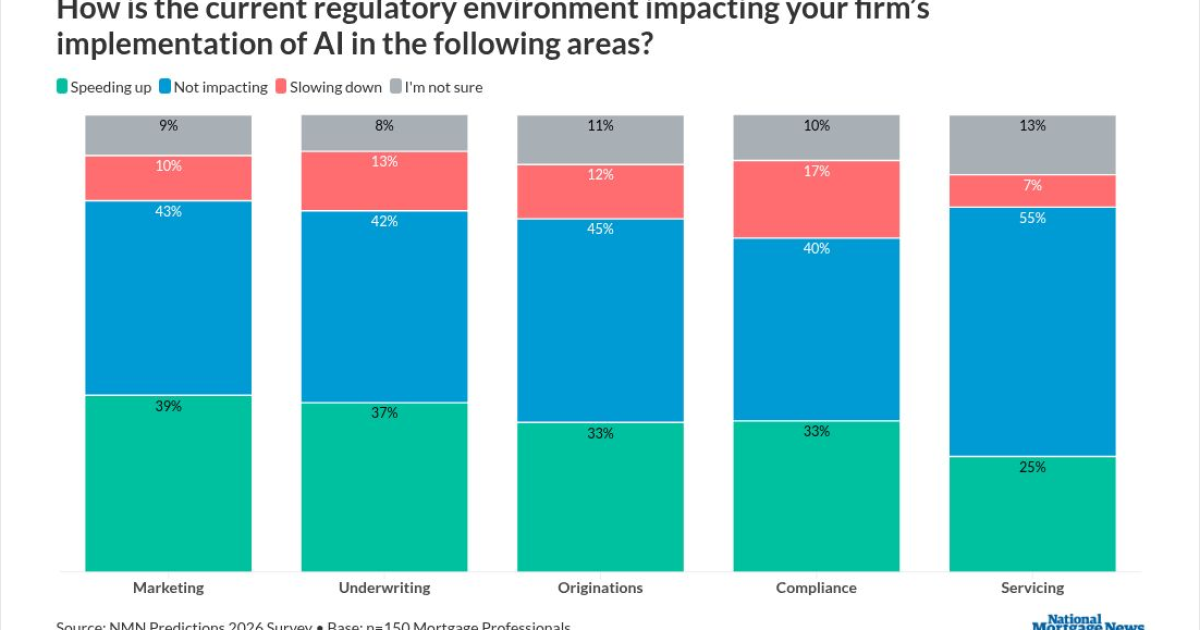
Artificial intelligence is finally stepping into the mortgage underwriting spotlight, with 57% of mortgage professionals predicting it will drive the most transformative industry shift in 2026. Thanks to major advancements in language models and workflow automation, AI is now capable of navigating the messy, document-heavy realities that have long slowed underwriting. From faster preapprovals to improved credit analysis and real‑time income verification, AI is streamlining processes while allowing underwriters to focus on true risk management. As regulatory winds shift and grassroots pressure builds within lending teams, the industry is entering a pivotal era where AI‑powered underwriting becomes not just an advantage — but an expectation.

Portland’s Commercial Market Suffers a Historic $2 Billion Collapse

Portland’s top 20 office towers have lost an unprecedented 70% of their value since 2019—plunging from $3 billion to under $1 billion—triggering tax revenue shortfalls, budget crises, and a surge in appeals as the city grapples with its biggest commercial real estate reset in modern history.

When Virtual Reality Becomes the New Penthouse Tour: Miami Students Step Inside a $1M Tech-Driven Luxury Tower Experience

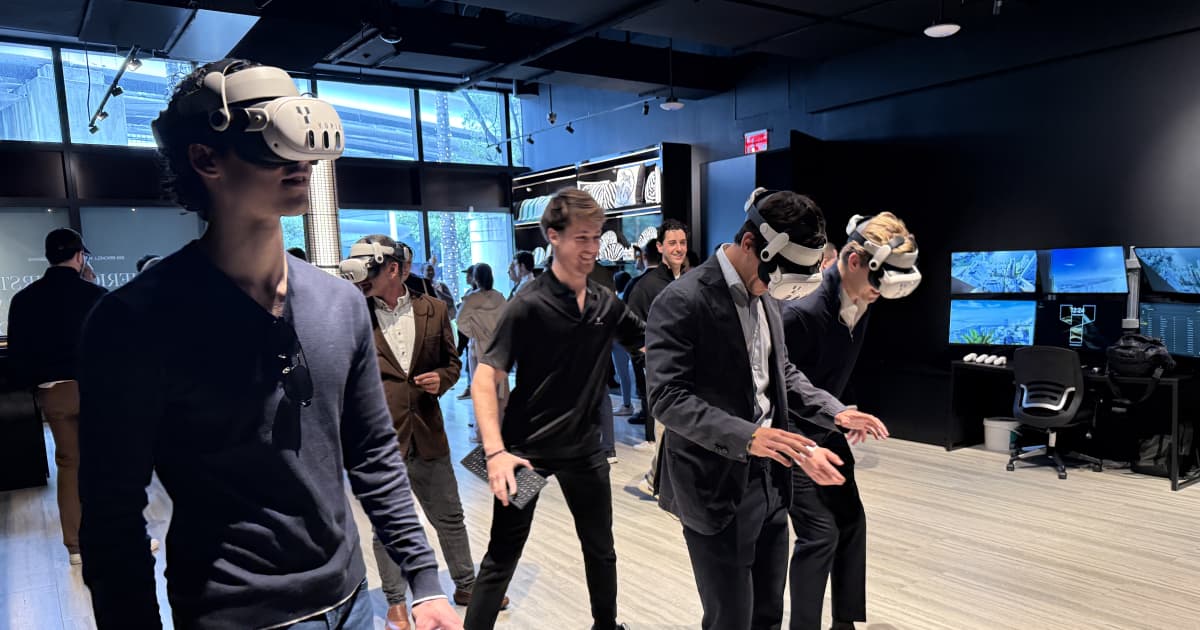
South Florida’s luxury real estate market just raised the bar again — this time with a $1 million virtual reality system that lets buyers walk through Dolce & Gabbana’s upcoming Miami tower long before construction wraps. Real estate master’s students were given an immersive look inside the project, discovering how VR is transforming high‑end development, influencing buyer psychology, and shaping the future skills today’s professionals need.

Long Island’s Latest Commercial Moves: From Pizza Huts to Auto Parts Warehouses

Long Island’s commercial real estate scene is kicking off 2026 with a surge of activity—industrial leases in Medford, neighborhood retail trades in Bohemia, Pizza Hut’s new DELCO expansion in Centereach, mixed‑use acquisitions in Melville, and major investor interest in bank‑leased and franchise-backed properties. From warehouses to restaurant rebrands, these deals highlight a region evolving fast and offering fresh opportunities for agents, investors, and professionals looking to stay ahead in the market.