The AI Revolution in Oncology: Transformative Potential or Overhyped?


In recent years, artificial intelligence (AI) has emerged as a revolutionary tool in the field of oncology. While initial fears suggested a nearing AI bubble, experts like Ghazenfer Mansoor of Technology Rivers clarify that it’s a misalignment of expectations versus actual industry contributions. AI’s integration into healthcare transcends buzzwords, transforming cancer diagnosis, treatment personalization, and drug discovery.

AI in Cancer Detection


Ryan Schoenfeld of the Mark Foundation for Cancer Research emphasizes AI’s leap in oncology diagnostics, particularly in radiology. AI’s precision and speed in analysis can enhance early cancer detection. In contrast, Philip Lieberman of Analog Informatics notes AI’s consistency over human capability, especially in underserved or rural areas. Jeffery Sorenson highlights AI’s prowess in predictive medicine, surpassing traditional diagnostic goals.
For example, Mayo Clinic has pioneered a hypothesis-driven AI tool improving cancer diagnostics by integrating clinical, radiology, and genomic data. As a result, AI-enhanced precision in treatment strategies is becoming more evident, as exemplified by liquid biopsy advancements at Weill Cornell Medicine and Johns Hopkins, which have marked improvements in earlier cancer detection.

AI in Drug Discovery and Development


AI is also a game-changer in drug discovery. Tools like DeepMind’s AlphaFold have accelerated the identification of novel cancer therapeutics. AlphaFold’s prediction of over 200 million proteins has profoundly influenced oncology research. Moreover, drugs like BBO-8520 and collaborations between Evotec and Exscientia have reached trial phases much faster due to AI’s efficiency.

Movements Toward Precision Oncology


AI’s capacity to create highly personalized treatments, as described by Jason Williams, could surpass traditional methods. Multi-faceted data integration, including genetics and tumor profiling, allows AI to craft individualized treatment plans. Recent studies from Oxford University and Evaxion Biotech demonstrate AI’s capability in creating adaptive therapies and personalized vaccines.

Challenges and Future Prospects


Despite its potential, deploying AI in oncology faces regulatory hurdles and ethical considerations, particularly around data bias and transparency. The evolution of regulations, like the European Commission’s AI Liability Directive and FDA’s AI/ML plan, remains a work in progress. Ghazenfer Mansoor stresses the need for regulatory frameworks that encourage innovation without stifling progress.

Looking Forward


Industry experts are optimistic about AI’s trajectory in oncology. Areas such as predicting immune responses, designing therapeutic proteins, and leveraging large language models for analytics hold significant promise. The fusion of AI with biological computing may streamline and personalize cancer treatment, promising a brighter future in oncology as we refine AI’s potential to truly revolutionize cancer care.
The AI revolution in oncology is here, and while tempered expectations may facilitate a more sustainable integration, the road ahead is undeniably transformative.

More Articles

Getting licensed or staying ahead in your career can be a journey—but it doesn’t have to be overwhelming. Grab your favorite coffee or tea, take a moment to relax, and browse through our articles. Whether you’re just starting out or renewing your expertise, we’ve got tips, insights, and advice to keep you moving forward. Here’s to your success—one sip and one step at a time!

Revolutionizing Clinical Care: The Age of Genome Sequencing

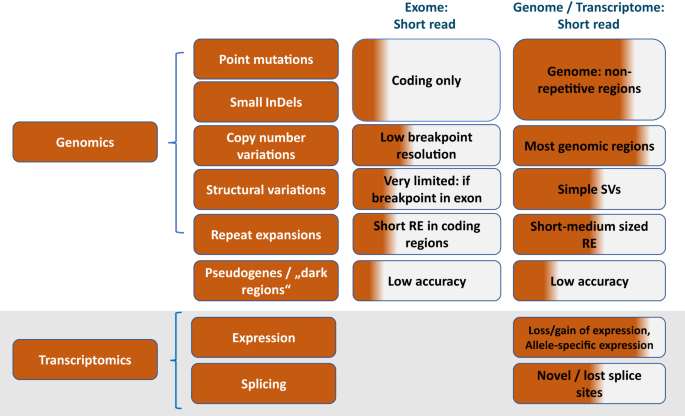
Genome sequencing is taking center stage, reshaping how we approach the diagnosis and treatment of genetic conditions.

By |January 9, 2025|Categories: Article, Genomics, Healthcare|Tags: , |0 Comments

The Future of Health-Tech in 2025

The global market is projected to surpass $200 billion, expanding at a compound annual growth rate (CAGR) of 25%. Predictive and personalized healthcare will see significant advancements in 2025.

Unveiling Flood Adaptation Disparities in the USA

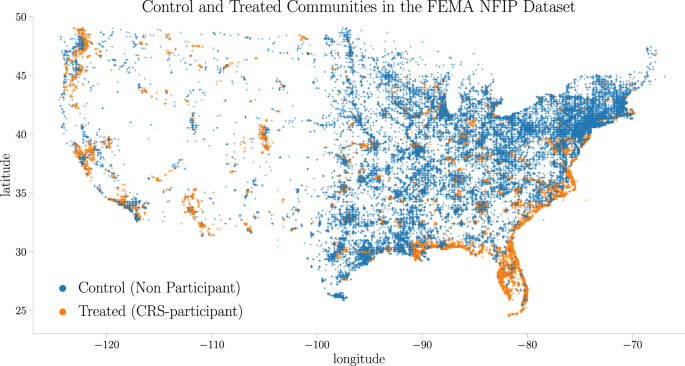
In a groundbreaking analysis published in Nature, researchers have shone a light on the stark disparities in flood adaptation across the United States, exposing significant differences in how communities access and benefit from flood adaptation measures.

Ethereum’s Serenity Upgrade Sparks Excitement and Market Optimism

Ethereum has shifted to a fully proof-of-stake consensus mechanism, drastically cutting down on the energy typically required for network maintenance.

By |January 8, 2025|Categories: Article, Cryptocurrency, Technology|Tags: , |0 Comments

AI Outperforms Human Experts in Ovarian Cancer Detection

In a groundbreaking study led by researchers at the Karolinska Institutet in Sweden, artificial intelligence (AI) has demonstrated a remarkable ability to detect ovarian cancer, surpassing the accuracy of human doctors.


By |January 8, 2025|Categories: Article, Health, Technology|Tags: , |0 Comments