The AI Revolution in Oncology: Transformative Potential or Overhyped?


In recent years, artificial intelligence (AI) has emerged as a revolutionary tool in the field of oncology. While initial fears suggested a nearing AI bubble, experts like Ghazenfer Mansoor of Technology Rivers clarify that it’s a misalignment of expectations versus actual industry contributions. AI’s integration into healthcare transcends buzzwords, transforming cancer diagnosis, treatment personalization, and drug discovery.

AI in Cancer Detection


Ryan Schoenfeld of the Mark Foundation for Cancer Research emphasizes AI’s leap in oncology diagnostics, particularly in radiology. AI’s precision and speed in analysis can enhance early cancer detection. In contrast, Philip Lieberman of Analog Informatics notes AI’s consistency over human capability, especially in underserved or rural areas. Jeffery Sorenson highlights AI’s prowess in predictive medicine, surpassing traditional diagnostic goals.
For example, Mayo Clinic has pioneered a hypothesis-driven AI tool improving cancer diagnostics by integrating clinical, radiology, and genomic data. As a result, AI-enhanced precision in treatment strategies is becoming more evident, as exemplified by liquid biopsy advancements at Weill Cornell Medicine and Johns Hopkins, which have marked improvements in earlier cancer detection.

AI in Drug Discovery and Development


AI is also a game-changer in drug discovery. Tools like DeepMind’s AlphaFold have accelerated the identification of novel cancer therapeutics. AlphaFold’s prediction of over 200 million proteins has profoundly influenced oncology research. Moreover, drugs like BBO-8520 and collaborations between Evotec and Exscientia have reached trial phases much faster due to AI’s efficiency.

Movements Toward Precision Oncology


AI’s capacity to create highly personalized treatments, as described by Jason Williams, could surpass traditional methods. Multi-faceted data integration, including genetics and tumor profiling, allows AI to craft individualized treatment plans. Recent studies from Oxford University and Evaxion Biotech demonstrate AI’s capability in creating adaptive therapies and personalized vaccines.

Challenges and Future Prospects


Despite its potential, deploying AI in oncology faces regulatory hurdles and ethical considerations, particularly around data bias and transparency. The evolution of regulations, like the European Commission’s AI Liability Directive and FDA’s AI/ML plan, remains a work in progress. Ghazenfer Mansoor stresses the need for regulatory frameworks that encourage innovation without stifling progress.

Looking Forward


Industry experts are optimistic about AI’s trajectory in oncology. Areas such as predicting immune responses, designing therapeutic proteins, and leveraging large language models for analytics hold significant promise. The fusion of AI with biological computing may streamline and personalize cancer treatment, promising a brighter future in oncology as we refine AI’s potential to truly revolutionize cancer care.
The AI revolution in oncology is here, and while tempered expectations may facilitate a more sustainable integration, the road ahead is undeniably transformative.


More Articles

Getting licensed or staying ahead in your career can be a journey—but it doesn’t have to be overwhelming. Grab your favorite coffee or tea, take a moment to relax, and browse through our articles. Whether you’re just starting out or renewing your expertise, we’ve got tips, insights, and advice to keep you moving forward. Here’s to your success—one sip and one step at a time!

Florida’s Political Storm: Immigration Protests, Insurance Shakeups, and Health Care Uncertainty

Palm Beach protests erupted as intensified immigration enforcement reached the heart of Trump’s hometown, while millions in Florida brace for rising health care costs as key subsidies near expiration. At the same time, state regulators boldly declare the long‑running property insurance crisis “over,” leaving homeowners and industry professionals questioning whether true stability has finally returned.

Real Estate Strategic Outlooks: Year-End 2025

As 2025 comes to a close, the real estate industry is shifting from uncertainty to strategic expansion. According to DWS’s Year-End 2025 Outlook, property values are stabilizing after years of repricing, capital is concentrating on high-quality assets, and Sunbelt markets—especially Florida—continue to outperform. With technology enhancing rather than replacing professional expertise, 2026 is shaping up to reward professionals who stay informed, skilled, and strategically positioned for the next cycle.

Texas Investors Ride Into San Francisco, Snapping Up Union Square Deals as the Market Hits Bottom

Texas capital is pouring into San Francisco’s long‑struggling commercial real estate market, with Lone Star investors buying up discounted Union Square buildings and signaling what many experts believe is the city’s market bottom. As office activity and confidence begin to return, buyers from across the country are joining the rush, turning SF’s post‑pandemic slump into one of the nation’s hottest bargain opportunities.

2026 Tech100 Countdown: Housing Tech Innovation Surges as Nomination Window Closes

With 2026 HousingWire Tech100 nominations closing on December 19, the housing tech sector is accelerating at full speed. AI‑powered data platforms, digital closing breakthroughs, embedded insurance growth, and next‑generation servicing automation are reshaping real estate, mortgage, insurance, and finance. From ATTOM’s AI‑ready property intelligence to Hapi Homes’ Martha Stewart design revival, Obie’s nationwide expansion, Outamation’s servicing automation, and ServiceLink’s next‑level borrower scheduling, this year’s standout innovators are defining the future of the housing economy.

Woodland Hills Retail Center Sold for $64 Million in Major Southern California CRE Deal

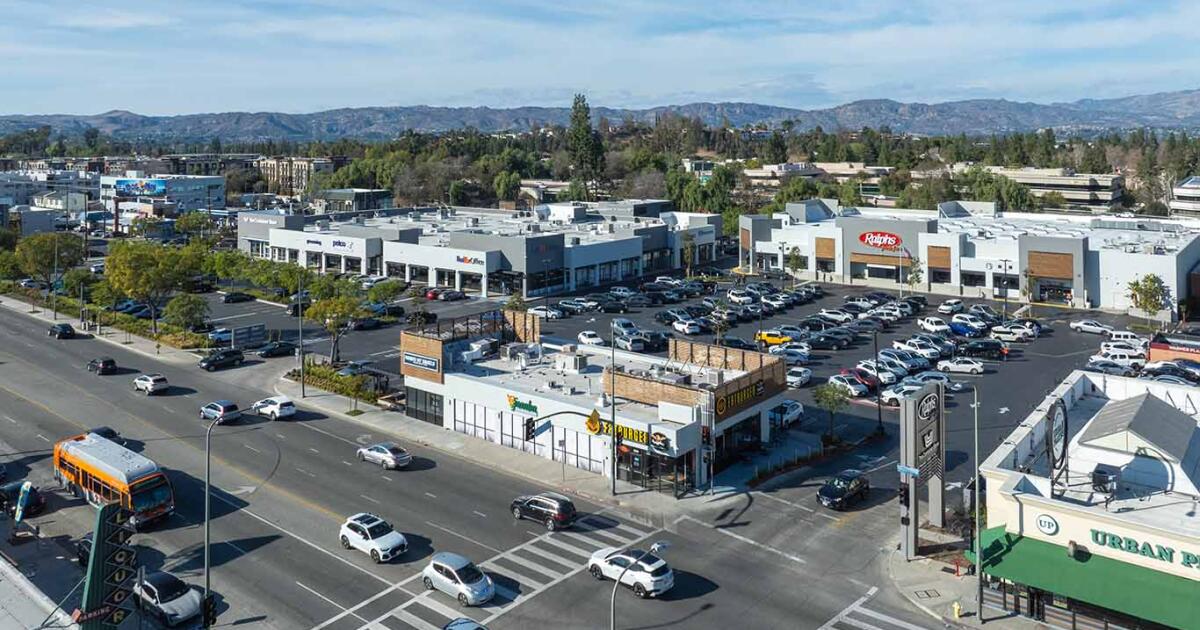
Space Investment Partners has acquired the 123,402‑square‑foot Topanga Gateway retail center in Woodland Hills for $64 million, marking another significant move in the firm’s expanding grocery‑anchored investment strategy. Located at a high‑visibility intersection and 97% occupied at the time of sale, the property strengthens the company’s push toward $500 million to $1 billion in retail acquisitions for 2026, underscoring continued investor confidence in necessity‑based retail assets.

Mortgage Rates Shift After Final 2025 Fed Cut: What Homebuyers Should Know Today

After the Federal Reserve’s final 2025 rate cut on December 10, mortgage markets are recalibrating, giving buyers and homeowners a glimmer of relief. Rates remain lower than earlier in the year, with 30-year fixed loans at 6.12% and refinances dipping as well. This shift may spark renewed activity for buyers, refinancers, and real estate professionals heading into 2026.