The AI Revolution in Oncology: Transformative Potential or Overhyped?


In recent years, artificial intelligence (AI) has emerged as a revolutionary tool in the field of oncology. While initial fears suggested a nearing AI bubble, experts like Ghazenfer Mansoor of Technology Rivers clarify that it’s a misalignment of expectations versus actual industry contributions. AI’s integration into healthcare transcends buzzwords, transforming cancer diagnosis, treatment personalization, and drug discovery.

AI in Cancer Detection


Ryan Schoenfeld of the Mark Foundation for Cancer Research emphasizes AI’s leap in oncology diagnostics, particularly in radiology. AI’s precision and speed in analysis can enhance early cancer detection. In contrast, Philip Lieberman of Analog Informatics notes AI’s consistency over human capability, especially in underserved or rural areas. Jeffery Sorenson highlights AI’s prowess in predictive medicine, surpassing traditional diagnostic goals.
For example, Mayo Clinic has pioneered a hypothesis-driven AI tool improving cancer diagnostics by integrating clinical, radiology, and genomic data. As a result, AI-enhanced precision in treatment strategies is becoming more evident, as exemplified by liquid biopsy advancements at Weill Cornell Medicine and Johns Hopkins, which have marked improvements in earlier cancer detection.

AI in Drug Discovery and Development


AI is also a game-changer in drug discovery. Tools like DeepMind’s AlphaFold have accelerated the identification of novel cancer therapeutics. AlphaFold’s prediction of over 200 million proteins has profoundly influenced oncology research. Moreover, drugs like BBO-8520 and collaborations between Evotec and Exscientia have reached trial phases much faster due to AI’s efficiency.

Movements Toward Precision Oncology


AI’s capacity to create highly personalized treatments, as described by Jason Williams, could surpass traditional methods. Multi-faceted data integration, including genetics and tumor profiling, allows AI to craft individualized treatment plans. Recent studies from Oxford University and Evaxion Biotech demonstrate AI’s capability in creating adaptive therapies and personalized vaccines.

Challenges and Future Prospects


Despite its potential, deploying AI in oncology faces regulatory hurdles and ethical considerations, particularly around data bias and transparency. The evolution of regulations, like the European Commission’s AI Liability Directive and FDA’s AI/ML plan, remains a work in progress. Ghazenfer Mansoor stresses the need for regulatory frameworks that encourage innovation without stifling progress.

Looking Forward


Industry experts are optimistic about AI’s trajectory in oncology. Areas such as predicting immune responses, designing therapeutic proteins, and leveraging large language models for analytics hold significant promise. The fusion of AI with biological computing may streamline and personalize cancer treatment, promising a brighter future in oncology as we refine AI’s potential to truly revolutionize cancer care.
The AI revolution in oncology is here, and while tempered expectations may facilitate a more sustainable integration, the road ahead is undeniably transformative.


More Articles

Getting licensed or staying ahead in your career can be a journey—but it doesn’t have to be overwhelming. Grab your favorite coffee or tea, take a moment to relax, and browse through our articles. Whether you’re just starting out or renewing your expertise, we’ve got tips, insights, and advice to keep you moving forward. Here’s to your success—one sip and one step at a time!

Tampa Emerges as the Nation’s Foreclosure Hotspot as Florida Leads in Housing Distress

Florida now holds the highest foreclosure rate in the country, and Tampa sits at the center of the surge. With one in every 1,373 homes facing foreclosure, skyrocketing insurance premiums, rising housing costs and reduced equity are pushing many homeowners—especially those who purchased between 2020 and 2023—into financial distress. While some experts view the spike as a market “normalization,” professionals in real estate and finance are watching closely as Tampa’s backlog clears and pressure continues to build across the state.

Northwest Austin Begins Major Redevelopment as Former 3M Campuses Transform Into Mixed‑Use Hubs

Two former 3M campuses in Northwest Austin are set for a dramatic rebirth as Karlin Real Estate pushes forward with plans for Highpoint 2222 and the Duval site. The vision includes office and lab space, up to 65,000 square feet of retail, more than 1,200 multifamily homes, and new green space. With over 500 residents weighing in through the 2222 Coalition of Neighborhood Associations, traffic, density, and environmental protections are shaping the final blueprint. As office demand cools, mixed‑use development is becoming the new normal—positioning this corridor for one of the biggest transformations Austin has seen in years.

Is There Really a Housing Crisis? A Fresh, Ground‑Level Look at Today’s Market

Despite constant headlines about a “housing crisis,” many economists and industry professionals argue the reality is more nuanced. In many regions, the issue isn’t a lack of homes but a mismatch between what’s available and what buyers want or can afford. As demographic shifts and remote work reshape demand, the market is evolving—not collapsing—creating opportunities for real estate, mortgage, insurance, and finance professionals who understand the difference between perception and reality.

Florida’s Insurance Crisis Is Reshaping Communities and Squeezing the Middle Class

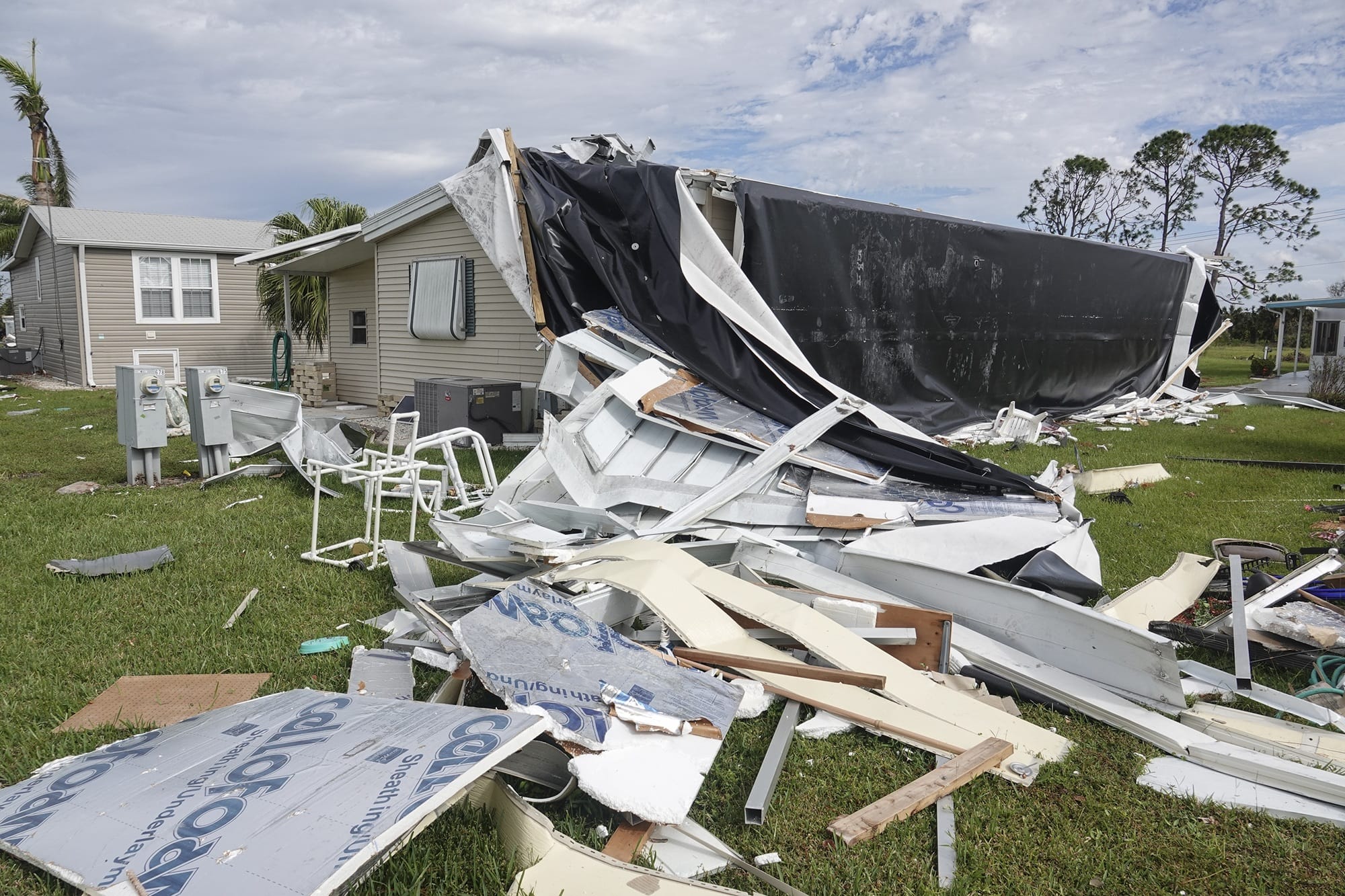
Hurricane Ian’s aftermath has exposed a growing affordability crisis across Southwest Florida. Skyrocketing insurance premiums, soaring construction costs, and rapid gentrification are making it harder for long‑time residents and middle‑class families to stay in their communities. From Fort Myers Beach to inland neighborhoods, homeowners, renters, and small businesses are feeling the pressure as rising costs reshape the region’s housing market and push many to reconsider their future in the state.

Florida’s Home Insurance Shake‑Up Exposes Old Problems Behind New Reforms

Florida’s home insurance market is facing its biggest credibility crisis in years. Despite major reforms meant to stabilize the system, homeowners are being pushed from Citizens into higher‑priced private insurers, many tied to companies that previously collapsed. Questionable financial ratings, high claim‑denial rates, and luxury‑level executive payouts are raising red flags across the state. For real estate and insurance professionals, this unstable landscape is reshaping home affordability, buyer confidence, and long‑term risk in Florida’s property market.

Michigan Moves Toward Fully Online Continuing Education for Licensed Professionals

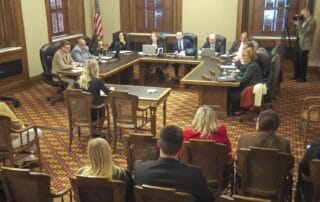
A new Michigan House bill aims to let licensed professionals complete all continuing education requirements online, offering greater flexibility for workers juggling rural travel, multiple jobs, or family demands. Supporters say the reform maintains high professional standards while removing unnecessary barriers, with regulators backing the shift and in‑person options remaining available.