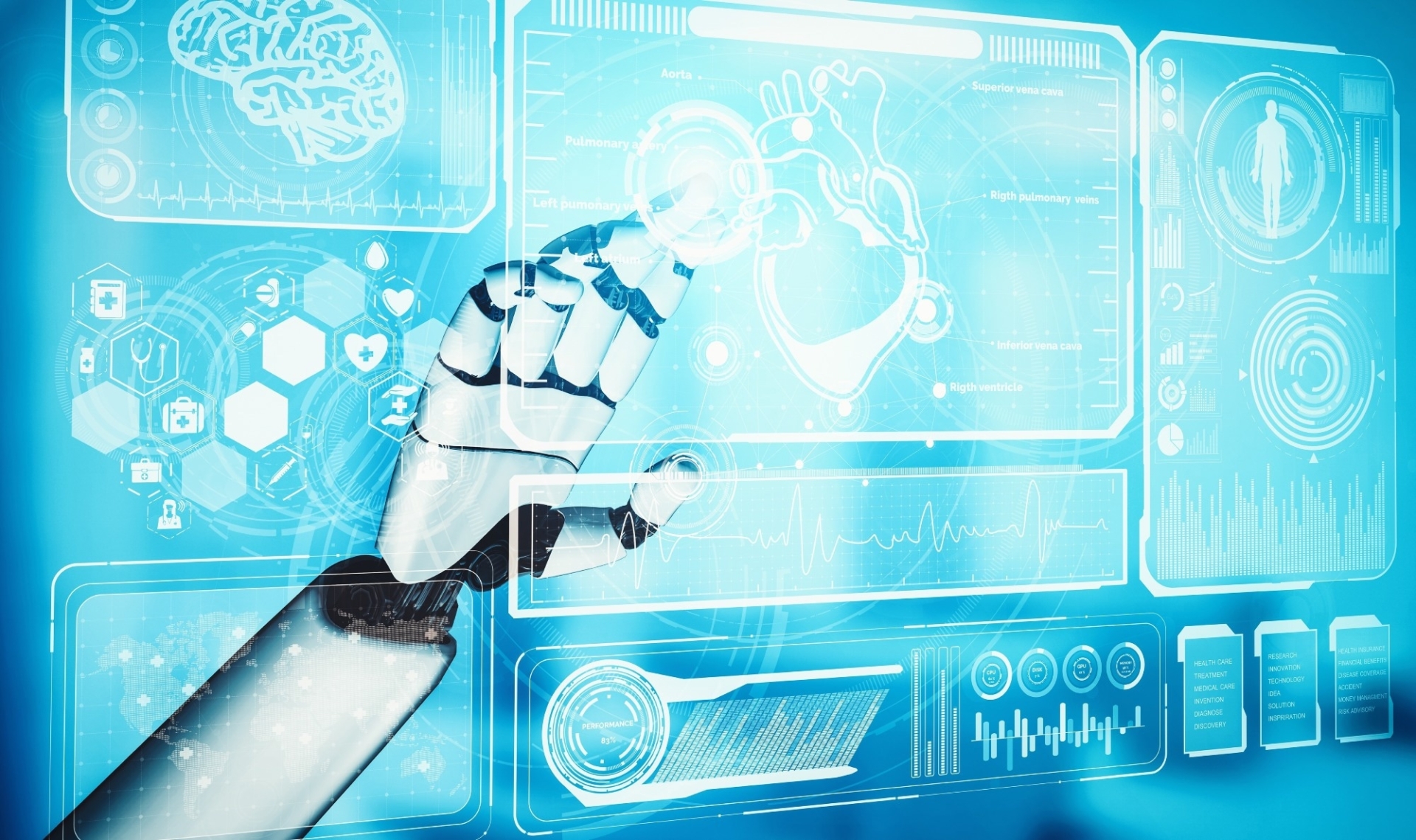
In a groundbreaking development, artificial intelligence (AI) is revolutionizing the way doctors diagnose and treat cancer, providing a clearer and more precise picture of potential malignancies. As reported by the AAMC, AI tools are now being leveraged to analyze images and tissue samples, offering insights that surpass traditional methods.

The AI Advantage in Oncology


AI’s integration into healthcare, particularly in oncology, marks a significant shift towards precision medicine. By analyzing vast datasets, AI can detect cancerous cells with greater accuracy, aiding doctors in diagnosing potential cancers, predicting developments, and planning personalized treatments. This technological advancement is not only enhancing imaging processes but also helping reduce unnecessary biopsies and false positives.

A Patient’s Journey


Consider the case of a woman who discovered a worrying lump in her thyroid. Initially, her doctor ordered an ultrasound and subsequent biopsy due to concerning results. However, seeking a second opinion from a radiologist utilizing AI-driven ultrasound exams revealed that the tissue was benign. This revelation, supported by her biopsy results, highlights AI’s potential to prevent invasive procedures and alleviate patient anxiety.

FDA-Approved AI Tools


The FDA has approved AI-assisted tools for detecting various cancer types, including brain, breast, lung, prostate, skin, and thyroid cancers. These tools are trained on enormous amounts of data, providing a deeper analysis of images such as mammograms, sonograms, x-rays, and MRIs. AI’s ability to highlight lesions with precision and differentiate levels of abnormalities is akin to consulting a brilliant colleague, as described by experts in the field.

Benefits and Challenges


  • AI-assisted imaging offers several benefits, such as accelerating diagnosis and treatment, reducing false positives, and enabling earlier intervention.
  • However, challenges remain, including the potential for false readings and inherent biases within AI algorithms.
Despite these hurdles, doctors are optimistic about AI’s role in ushering proactive approaches in medicine, improving early detection, and enhancing treatment planning.

In conclusion, as AI continues to evolve, it promises to transform cancer diagnostics, offering hope for better health outcomes and a more proactive approach to patient care.

More Articles

Getting licensed or staying ahead in your career can be a journey—but it doesn’t have to be overwhelming. Grab your favorite coffee or tea, take a moment to relax, and browse through our articles. Whether you’re just starting out or renewing your expertise, we’ve got tips, insights, and advice to keep you moving forward. Here’s to your success—one sip and one step at a time!

2025 Commercial Real Estate Outlook: Navigating a New Era

The commercial real estate landscape is on the brink of transformation as leaders seek to navigate the challenges of recent years and position their organizations for future opportunities.

The Emerging Mental Health Crisis Among Healthcare Workers During the COVID-19 Pandemic

The pandemic has ushered in a wave of mental health challenges that affect healthcare workers profoundly. From the onset of COVID-19, these professionals have been at the forefront, facing immense pressure, long hours, and the constant fear of exposure.

By |December 18, 2024|Categories: Article, Healthcare Workers, Mental Health|Tags: , |0 Comments

Ethical Concerns of Large Language Models in Healthcare

Exploring the dual nature of LLMs offers substantial benefits in healthcare but also raises significant ethical concerns, underscoring the need for well-defined guidelines and human oversight.

The Role of Wearable Devices in Chronic Disease Monitoring and Patient Care: A Comprehensive Review

Wearable devices have become integral in managing chronic conditions by providing continuous health data, empowering patients and healthcare professionals with insights that were previously unattainable.

AI Training Mandates: Navigating Legal Waters in Dentistry

The integration of artificial intelligence (AI) into dental practices is more than a technological trend; it represents a seismic shift in the industry. This transformation is reshaping skill sets and prompting a thorough examination of legal and ethical implications.

By |December 17, 2024|Categories: Article, Legal, Technology|Tags: , |0 Comments

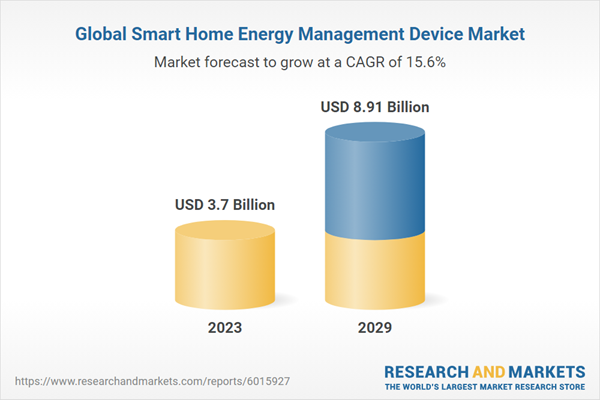
Smart Home Energy Management Devices: A Market Poised for Growth

The Global Smart Home Energy Management Device Market is on the brink of a significant transformation, driven by escalating demands for energy-efficient solutions and the increasing adoption of smart home technologies.