Cupertino, CAFacility management is at a crossroads, facing unprecedented challenges that threaten its very foundation. Overwhelmed by labor shortages and operational inefficiencies, facility managers are turning to artificial intelligence (AI) as a lifeline. According to a recent survey by QByte AI, AI-powered tools are rapidly reshaping the landscape of facility management in 2025.


The survey highlights that a staggering 80% of managers spend excessive hours hunting for information, while 60% are burdened by unsustainable workloads. This has led to a troubling trend, with 40% contemplating leaving their roles. These statistics underscore a crisis in the industry, demanding immediate attention.


AI is emerging as a beacon of hope. By providing instant access to maintenance data through simple prompts, enabling proactive monitoring, and improving real-time collaboration, AI is poised to alleviate the pressures faced by maintenance teams. As noted by industry expert Sam Manjunath, cofounder of QByte AI, “With facility teams stretched thin, the industry is rapidly embracing AI to remove manual workload burdens.”


The integration of AI-driven Computerized Maintenance Management Systems (CMMS) is transforming how facility managers operate. Companies are investing in AI to streamline operations, reduce unplanned downtime, and enhance overall efficiency. The adoption of AI technologies, such as those developed by QByte AI, is not just a trend but a necessary evolution.


Kim Anderson, a seasoned facility manager, experienced firsthand the transformative power of AI during a critical HVAC system failure. With maintenance records scattered across multiple systems, AI-enabled tools provided the timely insights needed to address the crisis efficiently. “Having AI-powered tools right at my fingertips felt like a breath of fresh air—suddenly, I could focus on what truly mattered instead of drowning in endless details,” Anderson remarked.


This shift towards AI is not only a response to labor shortages but also a strategic move to enhance operational efficiency. As companies navigate the complexities of modern facility management, AI offers a sustainable solution to the challenges of today and tomorrow.


For further insights into how AI is reshaping facility management, the original article can be accessed here.


More Articles

Getting licensed or staying ahead in your career can be a journey—but it doesn’t have to be overwhelming. Grab your favorite coffee or tea, take a moment to relax, and browse through our articles. Whether you’re just starting out or renewing your expertise, we’ve got tips, insights, and advice to keep you moving forward. Here’s to your success—one sip and one step at a time!

AI in Medical Diagnosis: Revolutionizing Healthcare Standards

"AI and machine learning are emerging as powerful technologies to address this issue, improving the accuracy of medical diagnosis and revolutionizing healthcare with their myriad applications."

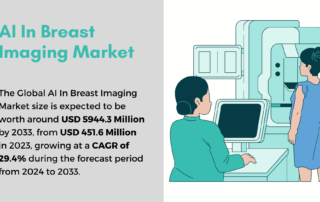
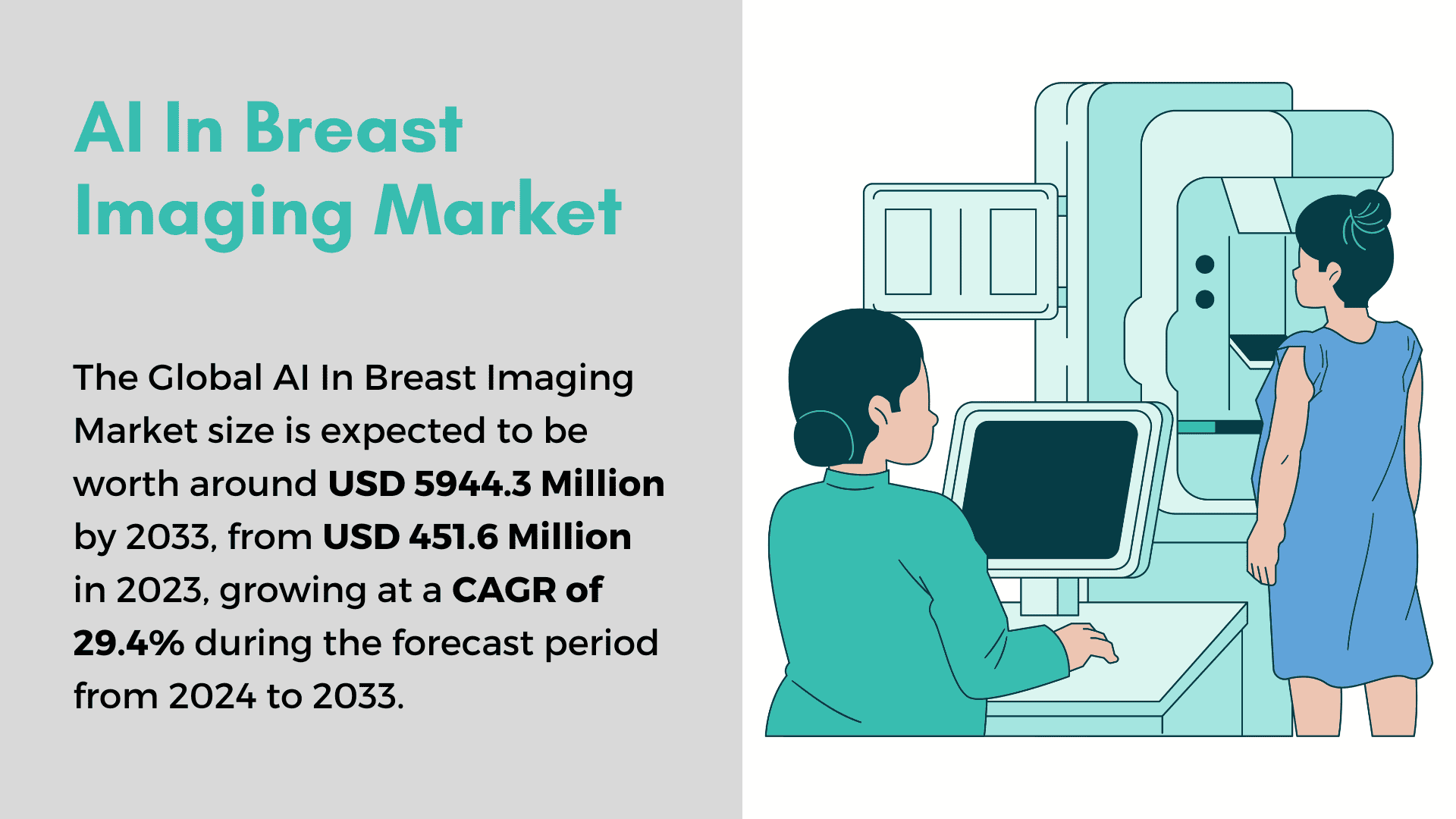
AI in Breast Imaging Market Set for Explosive Growth

The global AI in breast imaging market is on a remarkable growth trajectory, projected to swell from USD 451.6 million in 2023 to an impressive USD 5944.3 million by 2033. This represents a compound annual growth rate (CAGR) of 29.4%, primarily driven by cutting-edge advancements in AI technologies that significantly enhance diagnostic accuracy, facilitate early detection, and boost healthcare efficiency.

Virtual Real Estate: Navigating Investments in Metaverse Platforms

Virtual real estate in metaverses is becoming a focal point for investors worldwide, with digital plots of land mirroring traditional real estate value based on location, size, and platform popularity.

The Transformative Power of AI in In-Vitro Diagnostics

Artificial intelligence (AI) and machine learning are at the forefront of revolutionizing in-vitro diagnostic (IVD) tools, redefining diagnostics and enhancing healthcare outcomes on multiple fronts.

The Future of Life Sciences: A Vision for 2030

As we edge closer to 2030, the life sciences industry stands on the threshold of transformative changes. With a global valuation exceeding $2 trillion, the sector is poised for significant growth, driven by technological advancements and an aging population.

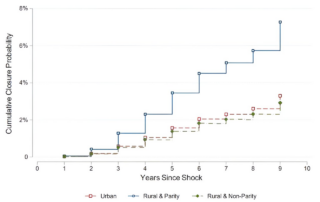
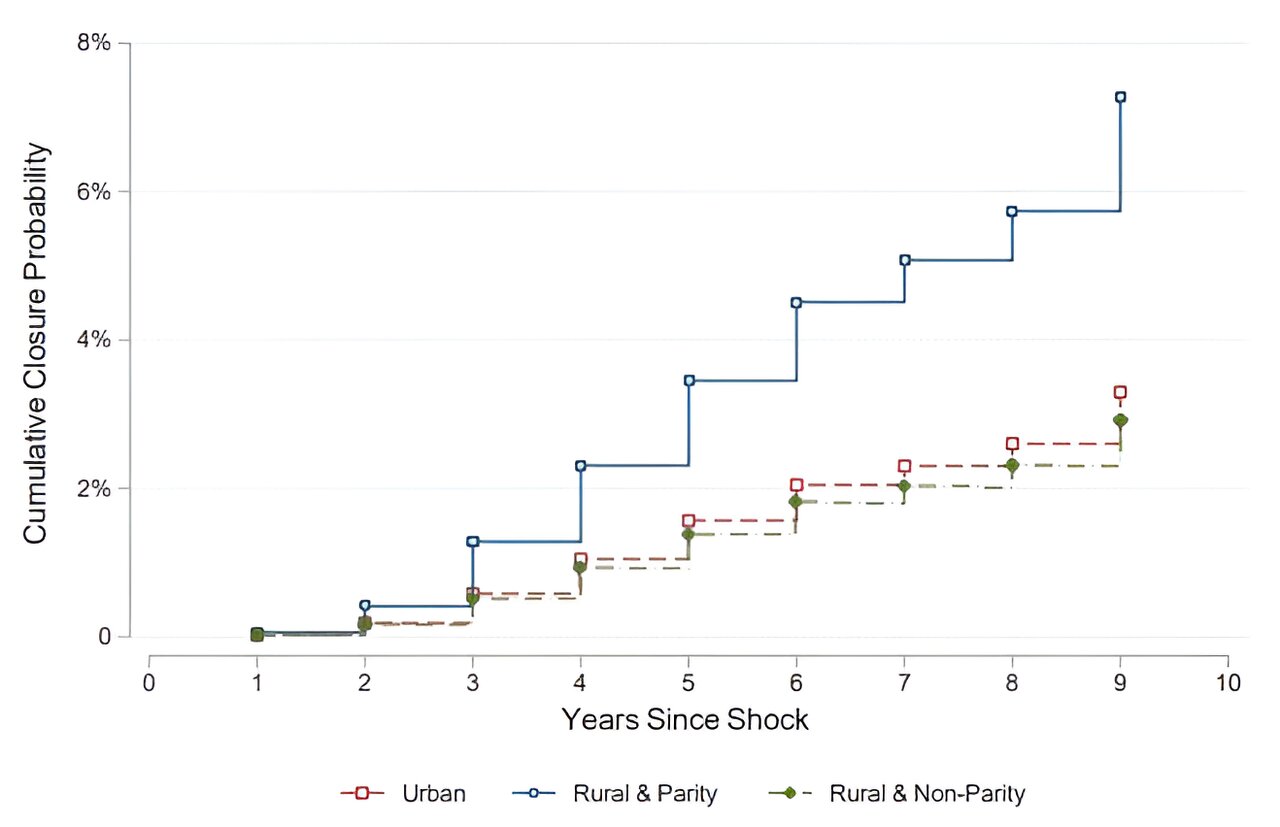
Telehealth: A Boon for Patients, A Challenge for Rural Hospitals

The advent of telehealth has revolutionized the way patients, particularly those in rural areas, access health care. By offering remote consultations and follow-up care, telehealth provides a convenient alternative to traveling long distances to urban hospitals. However, this technological advancement brings with it a set of challenges that could reshape the rural health care landscape.

By |December 20, 2024|Categories: Article, Health/Medicine, Technology|Tags: , |0 Comments