Cupertino, CAFacility management is at a crossroads, facing unprecedented challenges that threaten its very foundation. Overwhelmed by labor shortages and operational inefficiencies, facility managers are turning to artificial intelligence (AI) as a lifeline. According to a recent survey by QByte AI, AI-powered tools are rapidly reshaping the landscape of facility management in 2025.


The survey highlights that a staggering 80% of managers spend excessive hours hunting for information, while 60% are burdened by unsustainable workloads. This has led to a troubling trend, with 40% contemplating leaving their roles. These statistics underscore a crisis in the industry, demanding immediate attention.


AI is emerging as a beacon of hope. By providing instant access to maintenance data through simple prompts, enabling proactive monitoring, and improving real-time collaboration, AI is poised to alleviate the pressures faced by maintenance teams. As noted by industry expert Sam Manjunath, cofounder of QByte AI, “With facility teams stretched thin, the industry is rapidly embracing AI to remove manual workload burdens.”


The integration of AI-driven Computerized Maintenance Management Systems (CMMS) is transforming how facility managers operate. Companies are investing in AI to streamline operations, reduce unplanned downtime, and enhance overall efficiency. The adoption of AI technologies, such as those developed by QByte AI, is not just a trend but a necessary evolution.


Kim Anderson, a seasoned facility manager, experienced firsthand the transformative power of AI during a critical HVAC system failure. With maintenance records scattered across multiple systems, AI-enabled tools provided the timely insights needed to address the crisis efficiently. “Having AI-powered tools right at my fingertips felt like a breath of fresh air—suddenly, I could focus on what truly mattered instead of drowning in endless details,” Anderson remarked.


This shift towards AI is not only a response to labor shortages but also a strategic move to enhance operational efficiency. As companies navigate the complexities of modern facility management, AI offers a sustainable solution to the challenges of today and tomorrow.


For further insights into how AI is reshaping facility management, the original article can be accessed here.


More Articles

Getting licensed or staying ahead in your career can be a journey—but it doesn’t have to be overwhelming. Grab your favorite coffee or tea, take a moment to relax, and browse through our articles. Whether you’re just starting out or renewing your expertise, we’ve got tips, insights, and advice to keep you moving forward. Here’s to your success—one sip and one step at a time!

Institutional DeFi: Navigating the Financial Frontier

DeFi platforms are revolutionizing financial services, affecting everything from asset management to banking and compliance. This transformation is driven by the transparency and efficiency of blockchain technology, which introduces innovations like smart contracts and tokenization.

Unmasking The Banking Sector’s Vulnerability To Cyber Threats

In a world where digital threats loom large, the banking sector finds itself at a critical juncture. A recent story shared by an acquaintance, Dave, underscores the pervasive risk of cyberattacks that banks face today. Dave, who works in the banking sector, was caught off guard by a phishing attempt that seemed legitimate. Fortunately, it was a security test, but it highlighted a glaring vulnerability.

By |December 5, 2024|Categories: Article, Banking Sector, Cybersecurity|Tags: , |0 Comments

Innovative Recruitment Strategies to Combat Nursing Shortages

Nursing vacancies have surged to 17%, more than doubling pre-pandemic levels, prompting hospitals to go beyond mere salary increases and benefits enhancements.

The Role of Telehealth, AI, and Wearables in Modern Healthcare

In an era where technology is reshaping every facet of our lives, healthcare stands at the forefront of this digital revolution. As we delve into 2024, the integration of telehealth, AI, and wearable technologies is setting new benchmarks in patient care and accessibility.

By |December 4, 2024|Categories: Article, Digital Health, Healthcare Technology|Tags: , |0 Comments

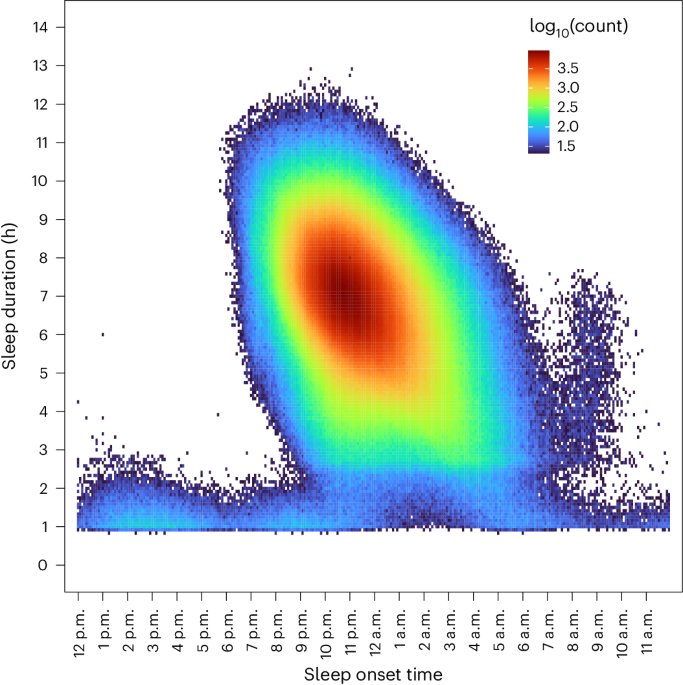
Unraveling the Ties Between Sleep and Chronic Disease: Insights from Wearable Technology

By tracking sleep patterns over extended periods, wearables provide a unique opportunity to observe the long-term effects of sleep on health, offering valuable insights for both public health policies and individual health management.

By |December 4, 2024|Categories: Article, Health, Technology|Tags: , |0 Comments