Artificial Intelligence (AI) is swiftly transitioning from being a futuristic concept to a present-day reality that is reshaping the healthcare landscape. According to a recent Forbes article, AI-powered tools are no longer mere experimental prototypes but are actively driving significant improvements in patient outcomes, operational efficiency, and cost savings.

AI Tools Delivering Value Today
Across the healthcare ecosystem, AI is delivering real value. From enhancing diagnostic accuracy to streamlining administrative processes, AI is beginning to reshape how care is delivered and experienced.
- Diagnostics: AI algorithms are improving diagnostic accuracy and efficiency. Google Cloud Healthcare and Butterfly Network’s ultrasound device are notable examples.
- Drug Discovery: AI is accelerating drug development. Companies like Insilico Medicine are using AI to identify promising drug candidates in record time.
- Personalized Medicine and Genomics: AI-driven algorithms are developing personalized treatment plans. Tempus Labs is a leader in this field.
- Remote Patient Monitoring: AI-enabled devices enhance care for chronic conditions. Livongo Health uses AI to manage diabetes effectively.
- Predictive Analytics and Risk Stratification: Organizations like Kaiser Permanente and Mayo Clinic are using AI to identify high-risk patients.
- Administrative Tasks: AI streamlines tasks like claims processing and appointment scheduling. Cedar’s platform automates patient billing.
- Clinical Decision Support (CDS) Systems: Companies like Epic Systems and Cerner Corporation are integrating AI into electronic health records.
What AI Healthcare Tools Might Emerge In The Next 2-3 Years?
The potential applications of AI in healthcare are vast. In the next few years, we can expect advancements in areas such as:
- Predictive Healthcare: Advanced AI models could predict health events like heart attacks days in advance.
- Natural Language Processing (NLP) for Clinical Documentation: AI can automate medical record transcription and unlock insights from unstructured data.
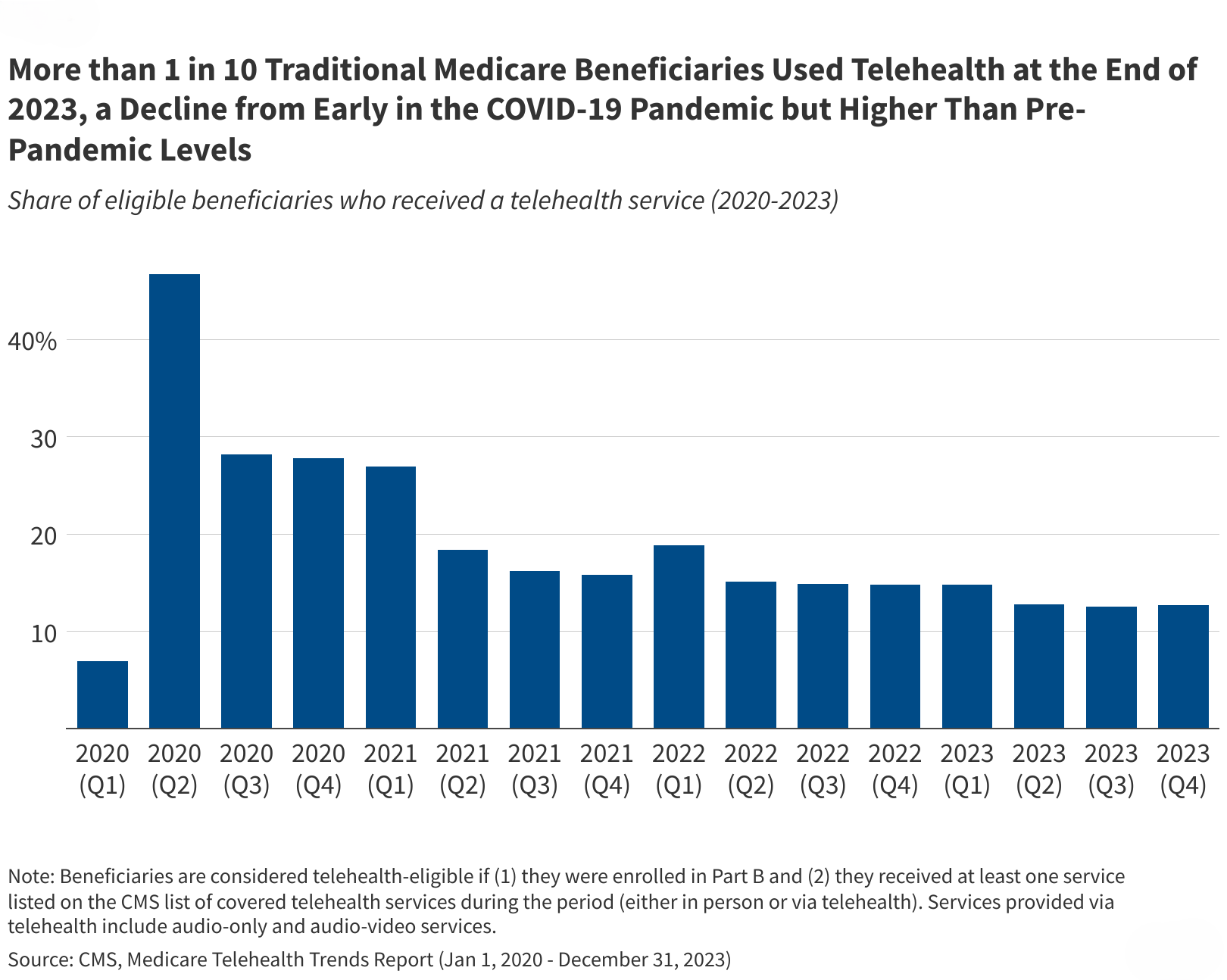
- AI-Driven Telehealth and Remote Monitoring: Future platforms will integrate AI diagnostic tools for early intervention.
- AI-Assisted Robotic Surgery: Surgeons will work alongside AI systems for optimal surgical techniques.
- Precision Medicine and Gene Editing: AI-assisted technologies like CRISPR will enable targeted genetic treatments.
- AI-driven Clinical Research and Medical Devices: AI will accelerate drug development and enhance wearable health monitors.
Challenges And Barriers
Despite the potential, several hurdles remain:
- Data Privacy and Security: Balancing privacy with utility is crucial as AI systems require vast health data.
- Integration with Legacy Systems: Outdated infrastructure complicates AI integration.
- Regulatory Approval: Regulatory bodies like the FDA are developing frameworks for AI, which may slow adoption.
- Ethical Considerations: The “black box” nature of AI raises ethical concerns, especially in critical patient care decisions.
- Trust and Adoption: Building trust in AI-driven decisions is essential for widespread adoption.
Action Steps For Individuals And Organizations
To capture the benefits of AI in healthcare, consider the following steps:
For Healthcare Organizations:
- Start Small: Focus on high-impact areas like administrative tasks or image analysis.
- Invest in Data Infrastructure: Ensure robust data collection and management systems.
- Develop an AI Roadmap: Plan for AI integration, including staff training and change management.
- Partner Strategically: Collaborate with AI healthcare companies that align with your needs.
For Healthcare Professionals:
- Embrace Continuous Learning: Familiarize yourself with AI tools in your specialty.
- Participate in Pilots: Engage in AI implementation projects.
- Focus on AI-Human Collaboration: Understand how AI can augment your expertise.
For Patients:
- Stay Informed: Research AI tools used by your healthcare providers.
- Ask Questions: Inquire about AI-driven diagnoses or treatments.
- Share Data Responsibly: Participate in data-sharing initiatives to improve AI tools.
AI tools in healthcare are already delivering significant value and are poised to further transform the industry. Embracing these changes today can lead to a more effective, efficient, personalized, and accessible healthcare system in the future.