AI Revolutionizes the Real Estate Industry

In a world where technology is reshaping industries at an unprecedented pace, the real estate sector is not left behind. Artificial Intelligence (AI) is proving to be a game-changer, optimizing and automating processes that enhance customer satisfaction and decision-making. The integration of AI is facilitating a paradigm shift in property management, investment strategies, and customer interactions.
AI’s capabilities extend to automating administrative tasks and enhancing property valuation, heralding a new era of growth and efficiency for the real estate industry. As highlighted in a recent Appinventiv article, AI applications and tools, such as virtual tours and property management software, underscore its influence and potential in reshaping industry norms.

Transformative AI Applications in Real Estate

The article explores numerous AI applications, including virtual property tours, lead generation, and property valuation automation. AI acts as a catalyst for market change, offering personalized experiences to buyers and sellers, automating repetitive tasks, and optimizing operations for enhanced efficiency.
Companies like Zillow and Trulia are at the forefront of this revolution, leveraging AI to offer property value estimates and personalized recommendations, respectively. Zillow’s use of neural networks to analyze digital photos and generate property estimates exemplifies AI’s transformative power. Meanwhile, Trulia’s AI-powered platform enhances user experience by analyzing behavior and preferences to provide tailored property suggestions.
Zillow screens

The Future of AI in Real Estate

The future of real estate is inextricably linked with AI and machine learning. As the industry continues to evolve, stakeholders must remain informed about technological advancements to maintain a competitive edge. The synergy between AI and real estate will streamline operations, improve decision-making processes, and boost overall efficiency.
AI’s capacity to swiftly analyze extensive datasets empowers real estate professionals in making informed decisions, effectively managing risks, and seizing competitive opportunities. This integration is set to undergo further transformative evolution, intersecting with emerging technologies such as blockchain, robotics, and cloud computing. Together, these technologies promise to revolutionize property transactions, enhance security, automate processes, and create immersive virtual experiences.

Conclusion

As AI continues to revolutionize the real estate industry, its integration into workflows not only redefines standards but also drives innovation and sustainable growth. For companies aiming to redefine property management and leverage digital advancements, AI is a pivotal technology.
For more insights into how AI is transforming the real estate industry, visit the original article on Appinventiv.

More Articles

Getting licensed or staying ahead in your career can be a journey—but it doesn’t have to be overwhelming. Grab your favorite coffee or tea, take a moment to relax, and browse through our articles. Whether you’re just starting out or renewing your expertise, we’ve got tips, insights, and advice to keep you moving forward. Here’s to your success—one sip and one step at a time!

2025 Commercial Real Estate Outlook: Navigating a New Era

The commercial real estate landscape is on the brink of transformation as leaders seek to navigate the challenges of recent years and position their organizations for future opportunities.

The Emerging Mental Health Crisis Among Healthcare Workers During the COVID-19 Pandemic

The pandemic has ushered in a wave of mental health challenges that affect healthcare workers profoundly. From the onset of COVID-19, these professionals have been at the forefront, facing immense pressure, long hours, and the constant fear of exposure.

By |December 18, 2024|Categories: Article, Healthcare Workers, Mental Health|Tags: , |0 Comments

Ethical Concerns of Large Language Models in Healthcare

Exploring the dual nature of LLMs offers substantial benefits in healthcare but also raises significant ethical concerns, underscoring the need for well-defined guidelines and human oversight.

The Role of Wearable Devices in Chronic Disease Monitoring and Patient Care: A Comprehensive Review

Wearable devices have become integral in managing chronic conditions by providing continuous health data, empowering patients and healthcare professionals with insights that were previously unattainable.

AI Training Mandates: Navigating Legal Waters in Dentistry

The integration of artificial intelligence (AI) into dental practices is more than a technological trend; it represents a seismic shift in the industry. This transformation is reshaping skill sets and prompting a thorough examination of legal and ethical implications.

By |December 17, 2024|Categories: Article, Legal, Technology|Tags: , |0 Comments

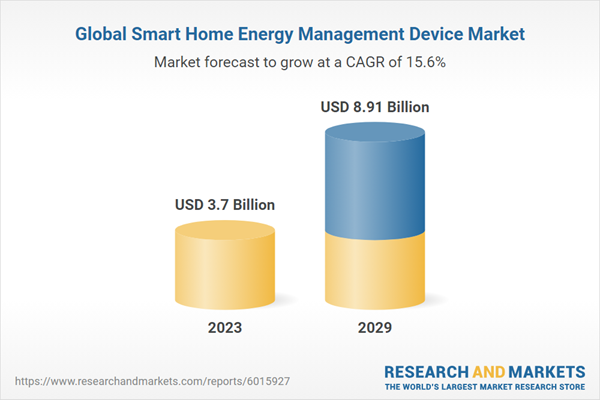
Smart Home Energy Management Devices: A Market Poised for Growth

The Global Smart Home Energy Management Device Market is on the brink of a significant transformation, driven by escalating demands for energy-efficient solutions and the increasing adoption of smart home technologies.