The real estate industry is on the brink of a technological transformation, with Artificial Intelligence (AI) playing a pivotal role. According to a recent report by Market.us, the AI in real estate market is projected to surge from USD 2.9 Billion in 2023 to a staggering USD 41.5 Billion by 2033, growing at an impressive CAGR of 30.5%.
AI’s ability to analyze extensive datasets is revolutionizing property valuations and investment decisions. By leveraging machine learning technologies, stakeholders are equipped to make informed decisions, optimizing asset management and minimizing risks.
The integration of AI in real estate is not just about data crunching. It’s about enhancing customer satisfaction through improved data management and sophisticated customer service solutions. This trend is particularly pronounced in North America, which currently holds a dominant market share of over 38.5%.
Key Developments and Innovations
Recent innovations in AI-powered platforms are reshaping property management and valuation. Companies like Redfin Corporation and Zillow Group are at the forefront, enhancing online property listings and improving real-time pricing accuracy.
Additionally, Housing.com has launched an AI-powered price trend engine, enhancing the home search experience for buyers and sellers alike. Meanwhile, RealtyCandy introduced homevaluation.ai, leveraging AI analytics as a lead generation tool for agents and brokers.
Challenges and Opportunities
Despite the promising growth, the sector faces challenges such as data privacy concerns and integration with traditional systems. However, the potential for cost reduction and operational improvement continues to drive AI adoption.
As demographics shift, AI offers opportunities to tailor real estate solutions to meet evolving consumer demands. By analyzing demographic data, AI helps stakeholders adapt to new market trends, offering customized services and marketing strategies.
Looking Ahead
The future of AI in real estate looks promising, with technologies like Generative AI poised to further transform the industry. As companies continue to innovate, the real estate sector is set to become more efficient, transparent, and customer-centric.
Getting licensed or staying ahead in your career can be a journey—but it doesn’t have to be overwhelming. Grab your favorite coffee or tea, take a moment to relax, and browse through our articles. Whether you’re just starting out or renewing your expertise, we’ve got tips, insights, and advice to keep you moving forward. Here’s to your success—one sip and one step at a time!
"AI and machine learning are emerging as powerful technologies to address this issue, improving the accuracy of medical diagnosis and revolutionizing healthcare with their myriad applications."
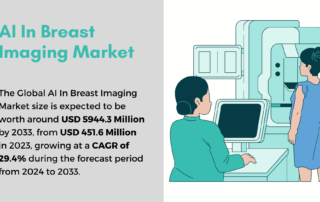
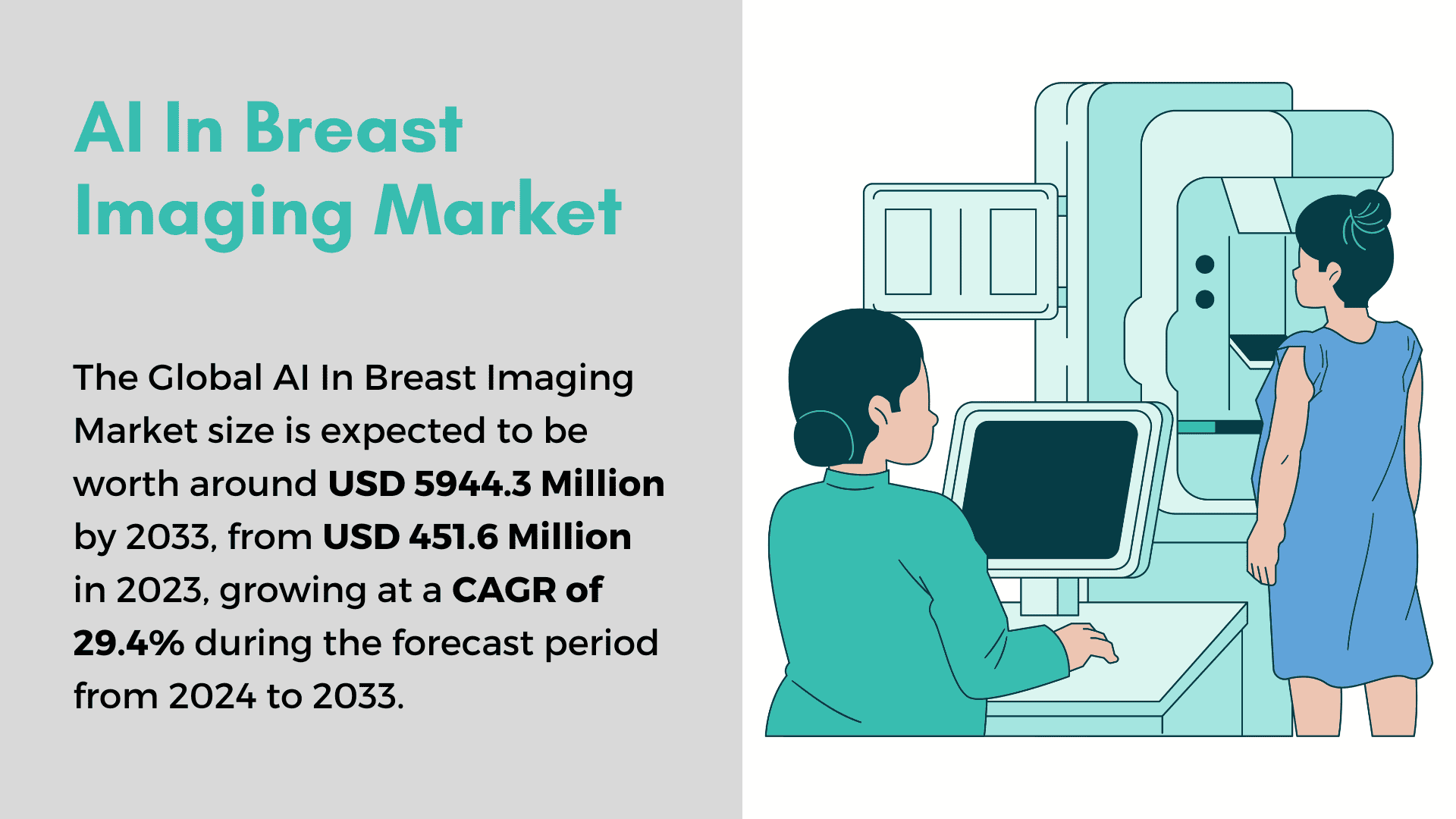
The global AI in breast imaging market is on a remarkable growth trajectory, projected to swell from USD 451.6 million in 2023 to an impressive USD 5944.3 million by 2033. This represents a compound annual growth rate (CAGR) of 29.4%, primarily driven by cutting-edge advancements in AI technologies that significantly enhance diagnostic accuracy, facilitate early detection, and boost healthcare efficiency.
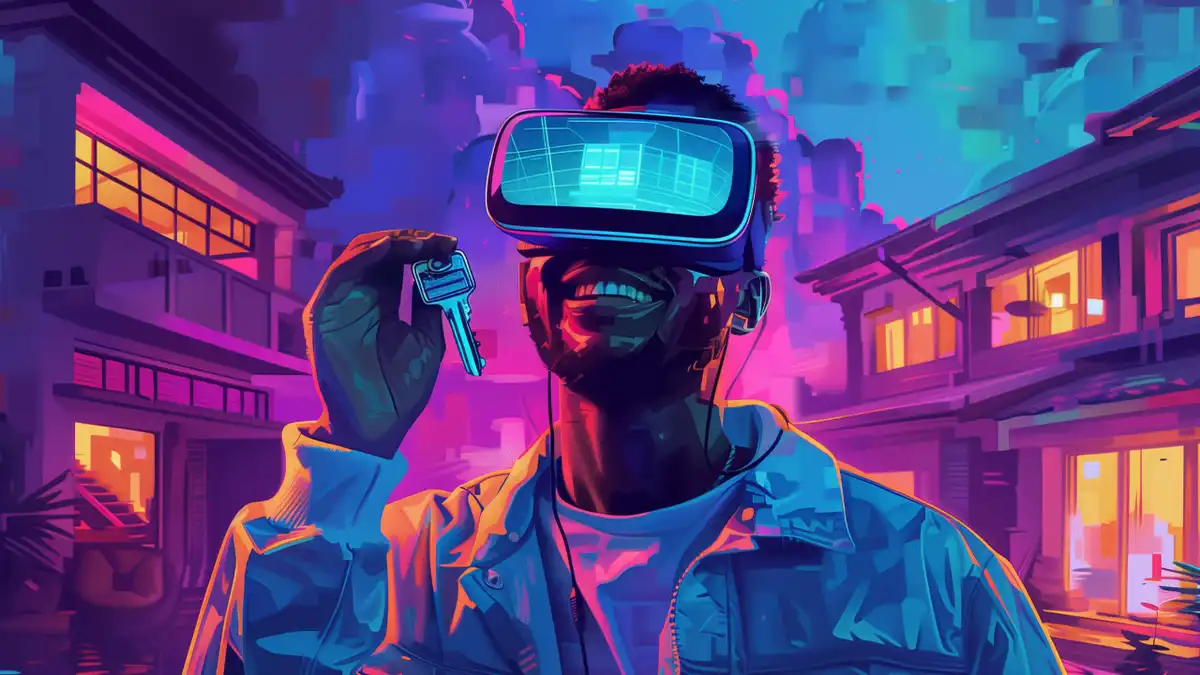
Virtual real estate in metaverses is becoming a focal point for investors worldwide, with digital plots of land mirroring traditional real estate value based on location, size, and platform popularity.
Artificial intelligence (AI) and machine learning are at the forefront of revolutionizing in-vitro diagnostic (IVD) tools, redefining diagnostics and enhancing healthcare outcomes on multiple fronts.
As we edge closer to 2030, the life sciences industry stands on the threshold of transformative changes. With a global valuation exceeding $2 trillion, the sector is poised for significant growth, driven by technological advancements and an aging population.
The advent of telehealth has revolutionized the way patients, particularly those in rural areas, access health care. By offering remote consultations and follow-up care, telehealth provides a convenient alternative to traveling long distances to urban hospitals. However, this technological advancement brings with it a set of challenges that could reshape the rural health care landscape.