In the ever-evolving world of healthcare, Artificial Intelligence (AI) is no longer a futuristic dream but a burgeoning reality, especially in the realm of cancer diagnosis and treatment. Dr. Peter Yu, the physician-in-chief at the Hartford HealthCare Cancer Institute, sheds light on how AI is transforming the landscape of medical care.
AI: The New Frontier in Cancer Care
AI’s potential in healthcare is vast, with its most promising applications in computer vision. As Dr. Yu explains, this technology, widely used in facial recognition and autonomous driving, can significantly enhance cancer diagnosis. By analyzing digital radiology and pathology images, AI can identify patterns typical of cancer, thus improving diagnostic accuracy and treatment precision.
Furthermore, AI’s role extends to guiding radiation treatment. By using enhanced precision, AI can help protect healthy tissue while targeting cancerous cells, minimizing side effects. Radiation oncologists are exploring AI’s capabilities to better identify cancer margins and program radiation machines for more accurate treatment delivery.
Bridging the Gap: AI as a Medical Translator
AI’s influence is not limited to diagnosis and treatment. Large Language Models, such as those powering ChatGPT, offer a new way to demystify medical jargon. These tools can simplify complex medical documents, making them more accessible to patients. Dr. Yu notes that AI can address common patient queries with speed and accuracy, transforming how patients interact with their medical records.
Ethical Considerations in AI Healthcare
While AI’s potential is exciting, it is not without ethical concerns. Dr. Yu emphasizes the importance of addressing issues such as patient privacy, data sharing, and the accuracy of AI-generated information. There is also the risk of perpetuating systemic biases through AI databases, a challenge that must be navigated carefully.
Prevention: A Human Responsibility
Despite AI’s advancements in cancer care, Dr. Yu reminds us that prevention is a human responsibility. Cancer prevention involves lifestyle choices like HPV and Hepatitis B vaccinations, avoiding tobacco, and maintaining a healthy diet. These steps are crucial in reducing cancer risk, underscoring that while AI can aid in detection and treatment, prevention starts with personal choices.
For more insights on healthcare innovations, visit the original article on Hartford Hospital’s news center.
More Articles
Getting licensed or staying ahead in your career can be a journey—but it doesn’t have to be overwhelming. Grab your favorite coffee or tea, take a moment to relax, and browse through our articles. Whether you’re just starting out or renewing your expertise, we’ve got tips, insights, and advice to keep you moving forward. Here’s to your success—one sip and one step at a time!
The Phoenix housing market continues to outperform the rest of the country, posting stronger sales, rising equity, and an influx of qualified buyers. With closed sales, pending sales, new listings, and median prices all trending upward, the Valley is outpacing national growth by a wide margin. City‑level data shows impressive strength across Scottsdale, Goodyear, Gilbert, Phoenix, and more—making 2025 a powerful year for agents, investors, and professionals watching the Arizona market.
With the 2026 FIFA World Cup and America’s 250th birthday celebrations on the horizon, the U.S. job market is gearing up for a surge across multiple industries. Seasonal, flexible, and part‑time roles are expected to rise—especially for workers 50+ who have struggled in a cooling labor market. From accounting and HR leadership to event staffing and delivery driving, major cities are preparing for increased hiring tied to tourism, infrastructure, and yearlong national celebrations. Many of these fast‑growing roles connect directly to licensing and certification pathways, giving professionals new chances to pivot or upskill through programs offered by Cameron Academy.
Florida is rolling out a new wave of laws on January 1, 2026 that will impact professionals in real estate, insurance, healthcare, education, and other regulated industries. From new insurance rules and healthcare billing requirements to condo association deadlines and statewide databases, these updates reshape compliance expectations across the state. Whether you work in property, finance, or public‑facing services, understanding these changes is essential for staying aligned with Florida’s evolving regulations.
Nearly every commercial real estate professional is expecting a stronger year ahead, with 97% predicting increased or stable activity in 2026, according to Avison Young’s latest outlook. Confidence has surged dramatically since mid‑2025 as strong sales, anticipated rate cuts, and improving fundamentals across key sectors signal that CRE recovery and growth may finally be taking hold.
Dallas‑Fort Worth is finishing 2025 as the nation’s top real estate and business powerhouse, fueled by corporate relocations, a dominant industrial sector, infrastructure megaprojects, and a rapidly evolving workforce landscape. From data center expansion to the launch of the DART Silver Line, the region continues to outpace national trends—while also confronting a growing demand for skilled professionals and licensed talent across construction, real estate, and technical fields.
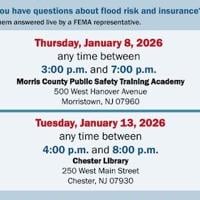
FEMA and the NJDEP have released revised preliminary flood maps for Morris County, reshaping how homeowners, real estate agents, insurers, and mortgage professionals assess flood risk. The updated FIRMs may shift properties into or out of higher‑risk zones, affecting insurance requirements, closing processes, and long‑term property values. With public review and appeals ahead, industry professionals are urged to study the changes now and prepare clients for potential impacts.